
Gs Fresh is switching to recyclable mono-rPET MAP packaging
3 min. leestijd
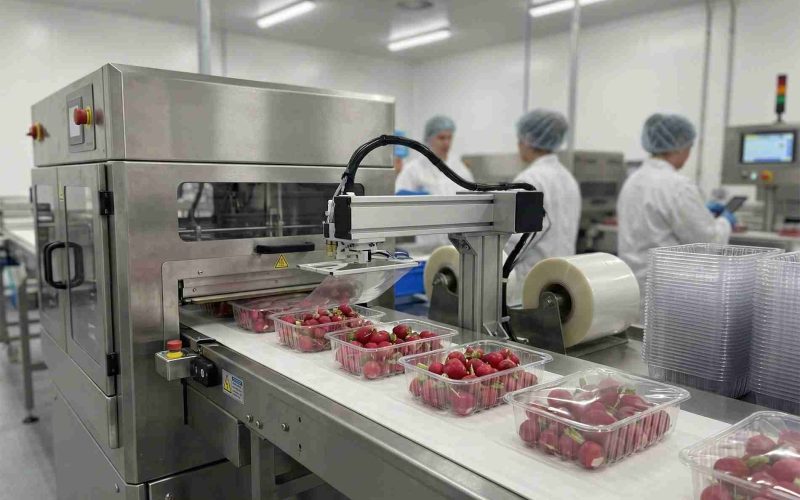
Collaboration across the supply chain leads to sustainable packaging innovation for radishes
Fruit and vegetable producer G’s Fresh, in collaboration with machinery manufacturer Proseal and film producer Coveris, has introduced a new, fully recyclable packaging solution for radishes. The innovation replaces the traditional, hard-to-recycle PET/PE laminate tray with a single-material solution made from rPET. This step marks a significant step forward in making modified atmosphere packaging (MAP) for fruit and vegetables more sustainable.The challenge: moving from laminate to a circular monomaterial
The previous packaging for G’s Fresh’s radish products consisted of a PET/PE laminate tray. Although effective at preserving freshness, this type of multi-layer material poses a significant challenge in the recycling chain. Separating the different polymer layers is complex and often not economically viable, meaning that such packaging is usually incinerated rather than recycled. Growing pressure from retailers, consumers and regulators to opt for more recyclable packaging solutions led G’s Fresh to seek an alternative. The objective was clear: to develop packaging that improves circularity without compromising on product quality and shelf life.The solution: a mono-rPET tray with a peelable top film
The solution was found through a collaborative effort between three parties:- G’s Fresh as the manufacturer that defined the sustainability ambition.
- Coveris, as the developer of a new, peelable rPET top film compatible with rPET trays.
- Proseal (part of JBT Corporation) as the supplier of the tray-seal technology capable of processing the new materials efficiently.
Technical implementation without loss of production
A crucial factor in the success of this project was its seamless integration into the existing production process. G’s Fresh uses the Proseal PR30 tray sealer. Trials showed that this machine could seal Coveris’s new mono-rPET film without any problems whilst maintaining the existing production speed. The properties of Modified Atmosphere Packaging (MAP) remain fully intact. This ensures that the freshness and shelf life of the radishes are maintained, an essential requirement in the fruit and vegetable sector to combat food waste. Consumers also benefit from packaging that is easy to open, thanks to the film’s peelable properties.Impact on the market and regulations
This transition is a prime example of how supply chain collaboration leads to tangible sustainability improvements. For packagers in the fresh produce and food industries, this case study demonstrates that the switch to monomaterials is technically feasible without compromising on efficiency or product protection. The project also anticipates stricter legislation and levies, such as the UK’s Plastic Packaging Tax, which provides financial incentives for the use of recycled content. The success of G’s Fresh, Proseal and Coveris is expected to inspire other companies to take similar steps towards a more circular packaging economy. Source: AGF.nl – https://www.agf.nl/article/9805942/nieuwe-monomateriaal-map-verpakking-voor-radijs-geintroduceerd/Lees verder
Gerelateerde berichten
Innovaties
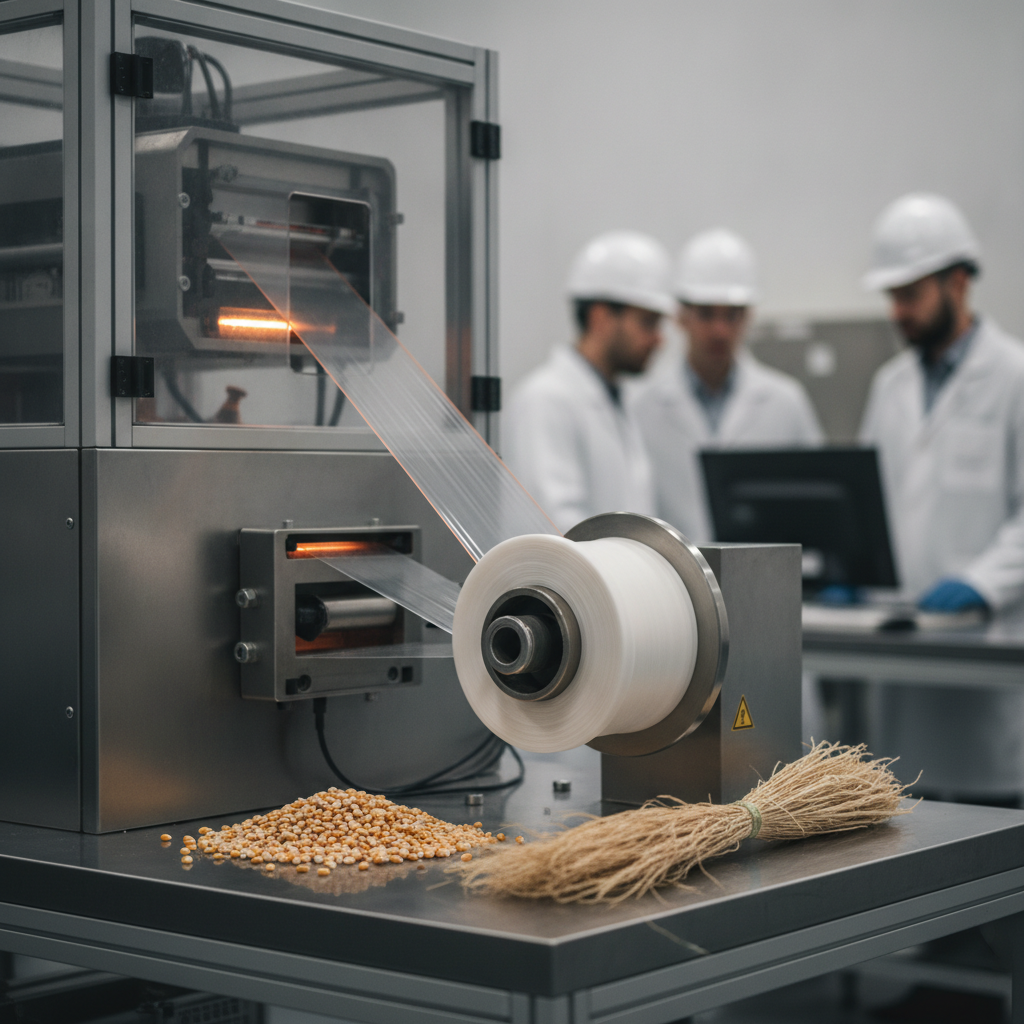
Dutch researchers are producing bioplastic from maize using spinning technology
Dutch scientists have developed a method for producing bioplastic from maize using spinning technology. This approach could offer a sustainable alternative to fossil fuel-based plastics. This is a significant development for packaging manufacturers seeking biodegradable materials.
Advertorial
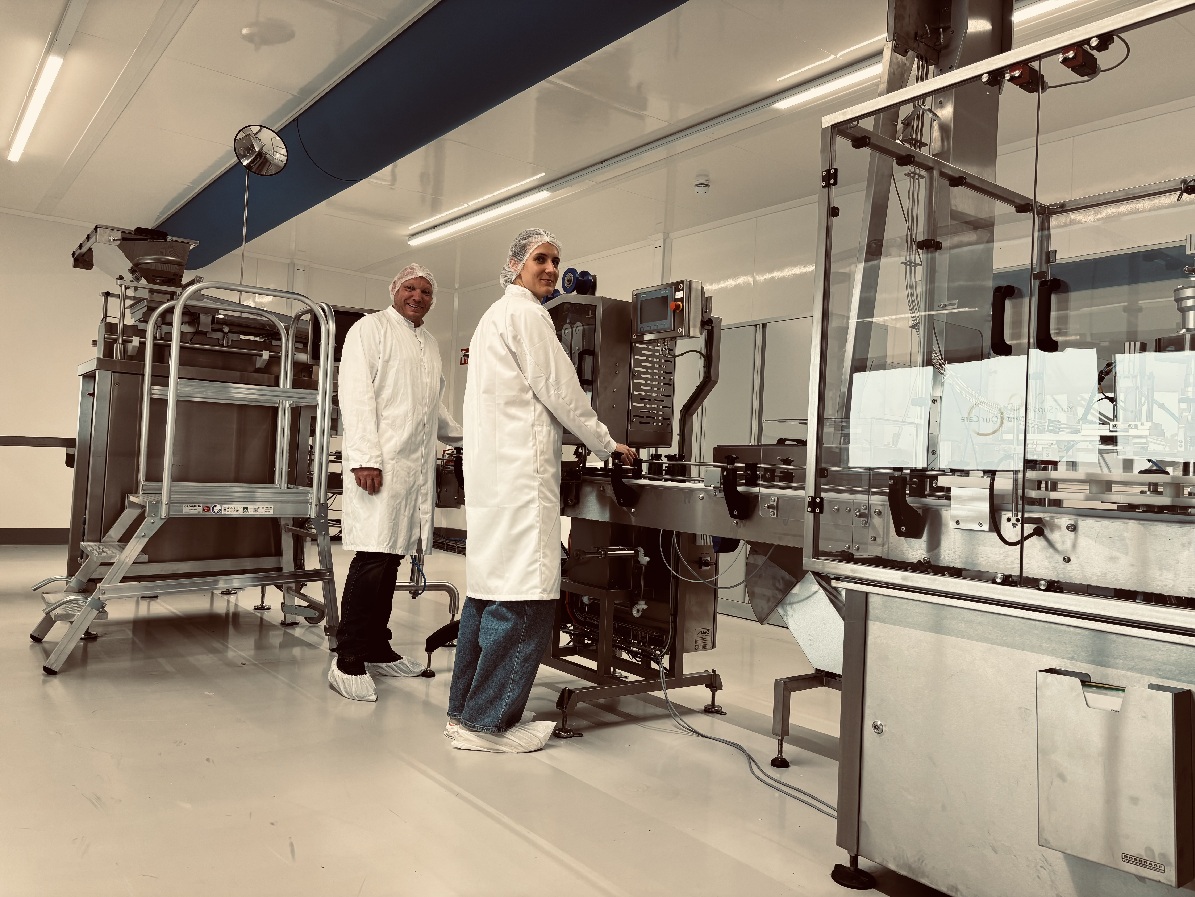
PPWR in practice: Microz on packaging choices for food supplements
The PPWR has been in force in all EU Member States since 12 August 2026. For brands of food supplements, this raises specific questions: about materials, about recyclability and about who the actual manufacturer of the packaging is. Mareno Lubkemann from Microz explains how brand owners, manufacturers and packaging suppliers can work this out together.