Why the biggest profit often isn’t to be found in a machine
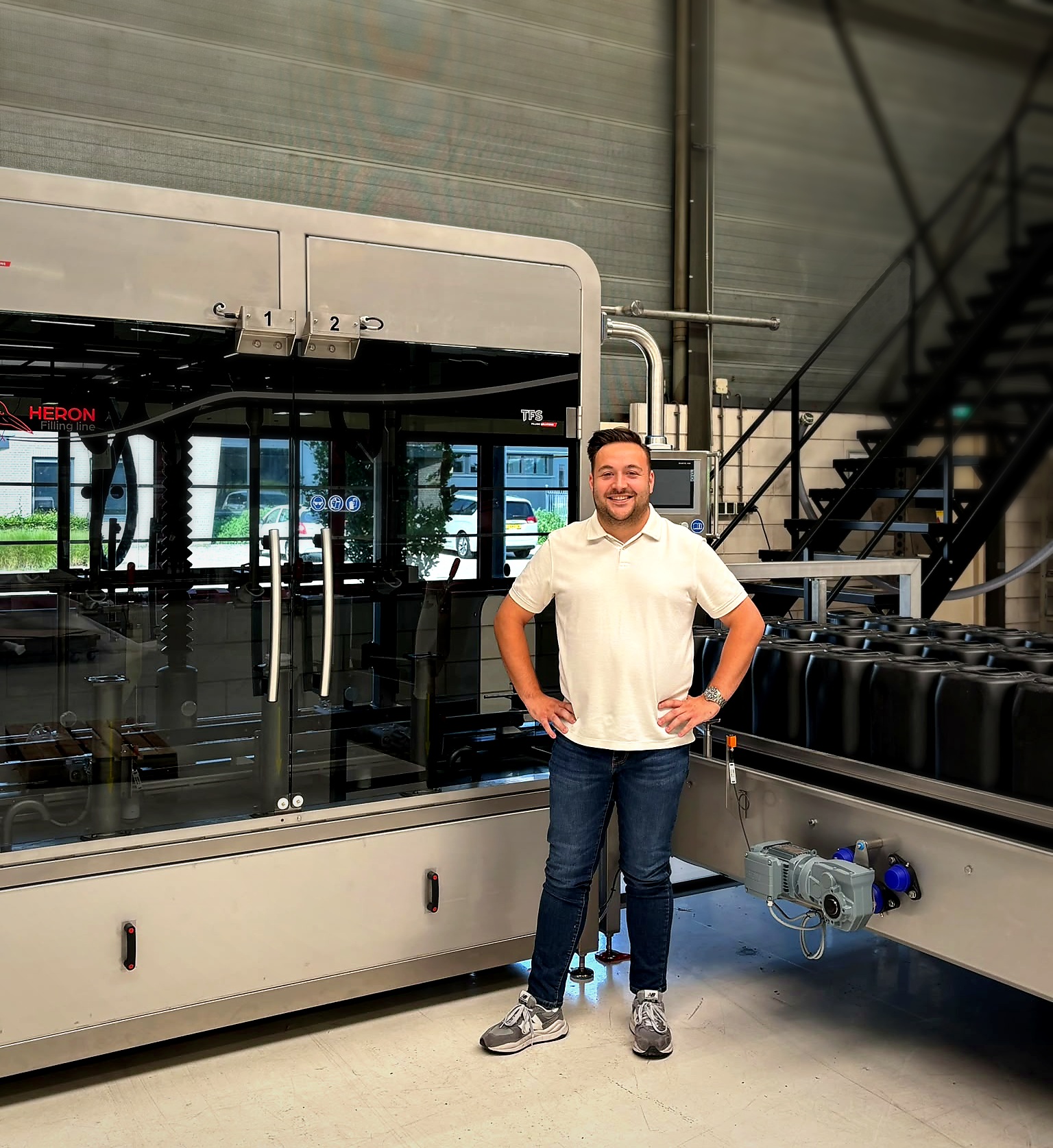
The greatest gains in production are rarely to be found in a single machine, but in the connections between them. This is why companies are increasingly looking at the process as a whole rather than at individual pieces of equipment.
Production demand is growing, but output is lagging behind. Efforts are being made to increase capacity, whilst operators wait for raw materials, packaging or pallets. Products are piling up between process stages, and even minor disruptions have an immediate impact on the rest of the line.
These are familiar challenges for many manufacturing companies. Not because the machines are underperforming, but because the real bottleneck often lies in the interface between different process stages.
This is precisely why companies are focusing less and less on individual machines and increasingly on the overall production process.
From individual machines to a single process
Modern production environments are becoming increasingly complex. Product changes are happening at a faster pace, and demands regarding quality, traceability and efficiency are on the rise.
As a result, the question is shifting from “Which machine do we need?” to “How can we organise our production process in a smarter and more future-proof way?”
This is not just about filling, but about the interplay between tank storage, mixing, pumping, filling, internal transport, palletising and automation.
Where projects often become complex
In expansion and new-build projects, tank storage, pipework, filling systems, transport, palletising and automation must ultimately function as a single system.
The challenge arises when systems need to communicate with one another, capacity needs to be increased or changes need to be implemented. It often turns out that each supplier is responsible for their own component, whilst nobody is responsible for the overall process.
It is precisely at these interfaces that delays, additional costs and adjustments arise during the commissioning phase.
OEM and system integrator
Consequently, an increasing number of companies are opting for a partner who not only supplies machinery but also understands the entire process and can implement it as a cohesive whole.
TFS Filling Solutions combines the roles of OEM and systems integrator within a single organisation. TFS designs, builds and integrates complete process and filling systems for the chemical and food industries.
Whilst many suppliers focus on just one part of the process, TFS combines engineering, tank construction, pipework, machine construction, automation, production, integration and service within a single organisation. As a result, knowledge, responsibility and decision-making remain in one place.
This enables a rapid response to changes, expansions and breakdowns. It shortens lead times during projects and ensures practical support throughout the entire lifespan of the plant.
Future-proof design
Whether it’s a new production facility or the optimisation of an existing line, a successful outcome begins in the engineering phase. It is precisely at this stage that decisions are made which will later determine capacity, flexibility, safety and maintenance.
TFS supports clients in developing the optimal layout, drawing up P&IDs for process and pipework, and designing complete installations in 2D and 3D. This provides insight into material flows, logistical movements, available space and future expansion possibilities. As a result, many bottlenecks are resolved as early as the design stage.
Requirements relating to safety, traceability and quality are also taken into account. These include ATEX directives, HACCP requirements, Halal production or interfaces with ERP and MES systems. This results in solutions that not only work today but are also prepared for future developments.
Ready for future growth
Investments are intended for the long term. New products, smaller batches and further automation require systems that can grow with the business.
A successful investment therefore does not begin with the choice of a machine, but with an understanding of the entire process and the company’s future ambitions.
The highest output is not achieved by making a single machine faster, but by optimally coordinating all process steps. That is why more and more companies are choosing a partner who takes responsibility for the entire process: from engineering and production to integration, commissioning and service. Because the greatest gains often lie not in a single machine, but between the machines.
Lees verder
Gerelateerde berichten
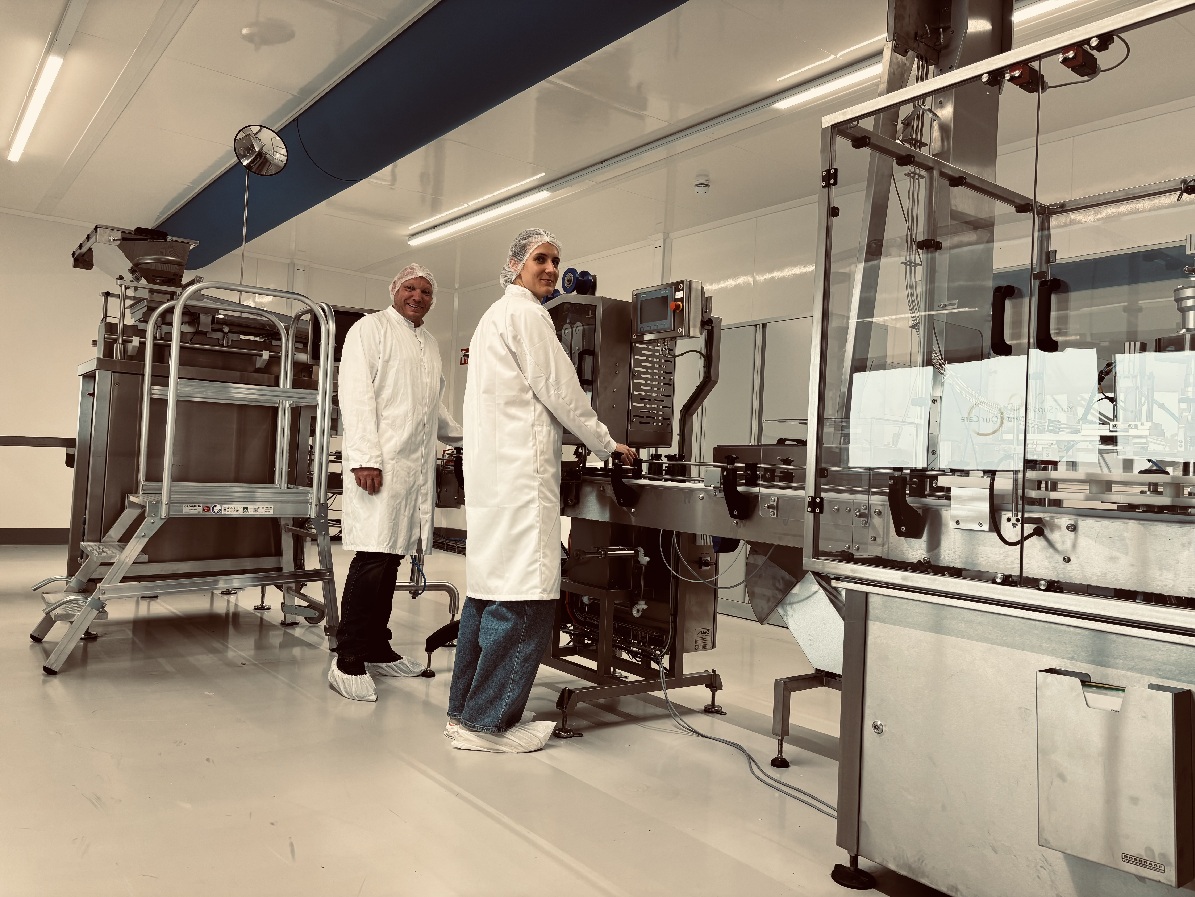
PPWR in practice: Microz on packaging choices for food supplements
The PPWR has been in force in all EU Member States since 12 August 2026. For brands of food supplements, this raises specific questions: about materials, about recyclability and about who the actual manufacturer of the packaging is. Mareno Lubkemann from Microz explains how brand owners, manufacturers and packaging suppliers can work this out together.
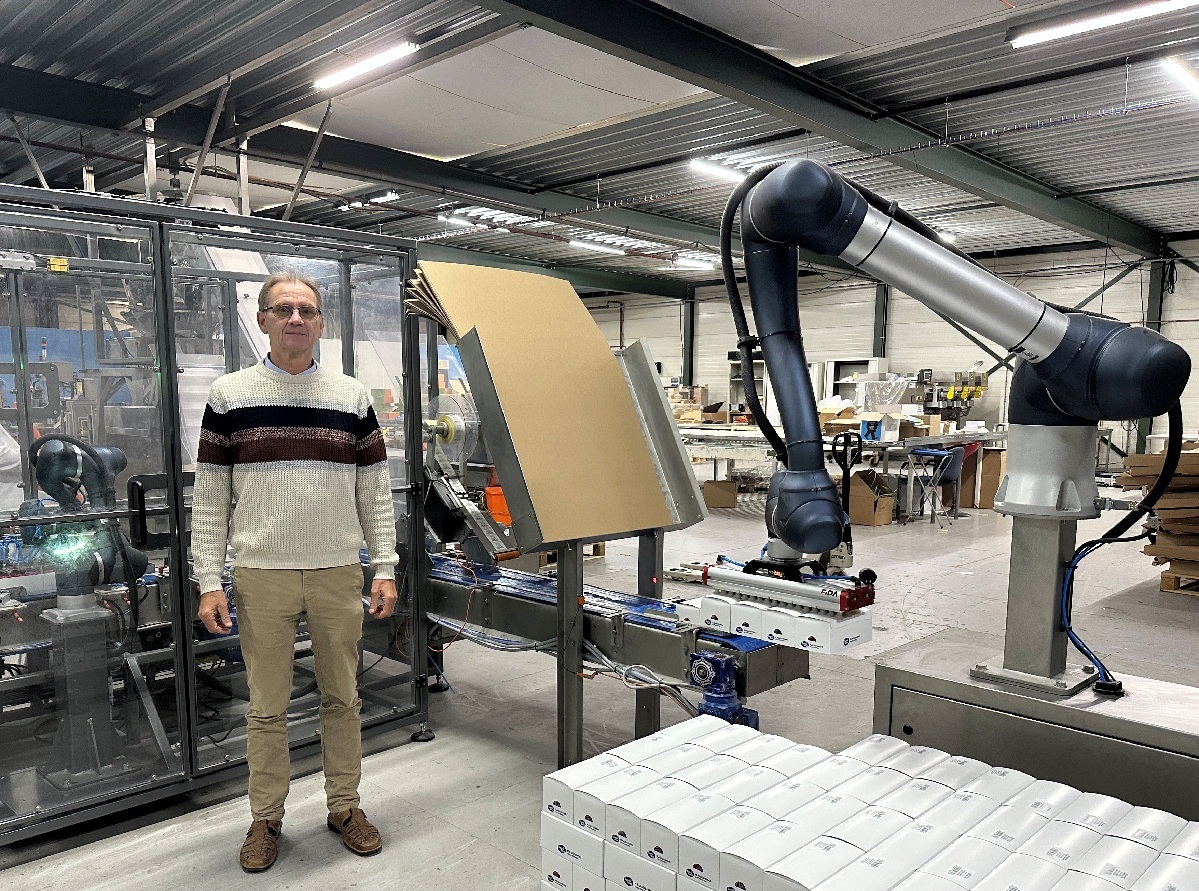
Smaller packaging is driving growth in co-packing
An increase in single-person households, tighter budgets and the growing popularity of own-brand products are driving up demand for smaller pack sizes. Henk van Geest of Multipackers explains why even large manufacturers are outsourcing their packaging work, and how his company is meeting that growth with automated packing lines and cobots.
Customised dosing and filling solutions
Off-the-shelf machines sometimes fall short when it comes to dosing and filling. Spimabo Machinebouw has been building bespoke solutions for the food, pharmaceutical and chemical industries since 1994.