

Description
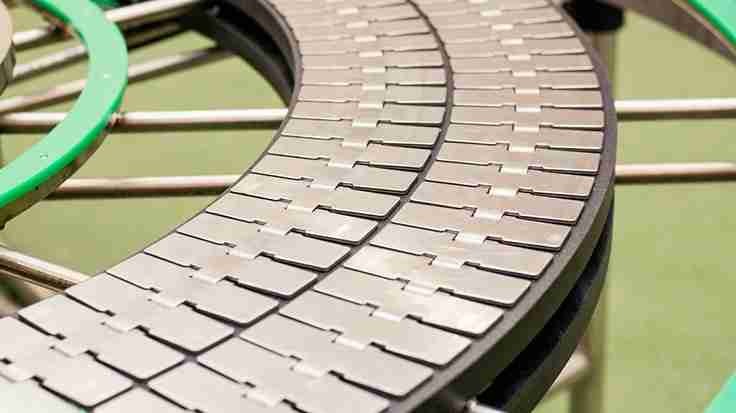
Curved belt conveyors are used to transport products around a specific curve. These curves can range from 30 to 180 degrees. A key advantage of these conveyors is that the products remain in their original, undisturbed production sequence during transport. Furthermore, the product will not be damaged whilst negotiating the bend.
These conveyors can be manufactured in various belt widths and outside radii.
Depending on the industry and application, Innoveya recommends materials and a suitable belt type.
Material
Curved belt conveyors can be manufactured from stainless steel, aluminium or steel. Various types of conveyor belts can also be used, such as:
- Woven belts
- Modular (link) belts
- Bottle chain belts
Photos
More from Innoveya
View all solutions from Innoveya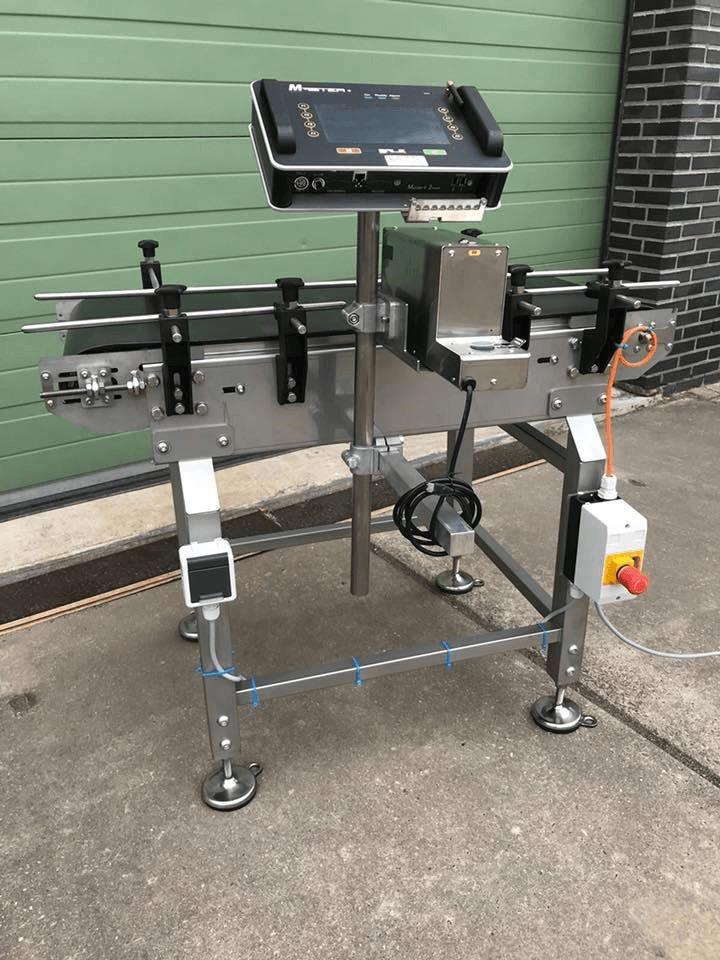 Conveyor belts
Straight belt conveyor
The straight belt conveyor is the most widely used internal transport system today. These conveyors are found in virtually every industry and can be used for a wide range of applications. They are used to transport a product between two machines or for specific operations, such as labelling, sorting or metal detection. Or, as shown in the photo, for coding products. Depending on the industry and application, Innoveya recommends materials and a suitable belt type. Materials Straight belt conveyors can be manufactured from stainless steel, aluminium or steel. Various types of conveyor belts can also be used, such as: Woven belts Solid PU belts Modular (link) belts Bottle chains Grille belts Mesh belts
By: Innoveya · 's-Gravendeel
 Conveyor belts
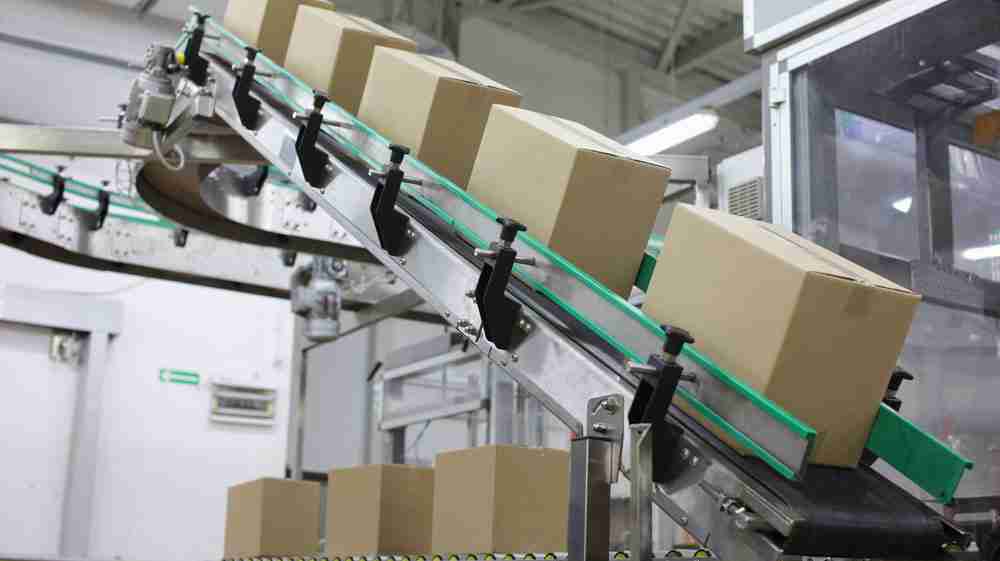
Inclined belt conveyors are used when products need to be transported upwards and discharged. These conveyors can operate at an incline of up to 60 degrees, depending on the product. The conveyor belts on these conveyors are often fitted with lifters or scoops to prevent the product from rolling or sliding down. Furthermore, the product must not fall off the side of the conveyor. This can be prevented by using a conveyor with side guides or corrugated belt edges. Inclined belt conveyors are often fitted with a feed hopper and a discharge hopper, which we also supply. Depending on the industry and application, Innoveya recommends materials and a suitable belt type. Material: The inclined belt conveyors can be manufactured in stainless steel, aluminium or steel. Various belt types can also be used, such as: Woven belts Solid PU belts Modular (link) belts
By: Innoveya · 's-Gravendeel
 Conveyor belts
Articulated & Z-belt Conveyors
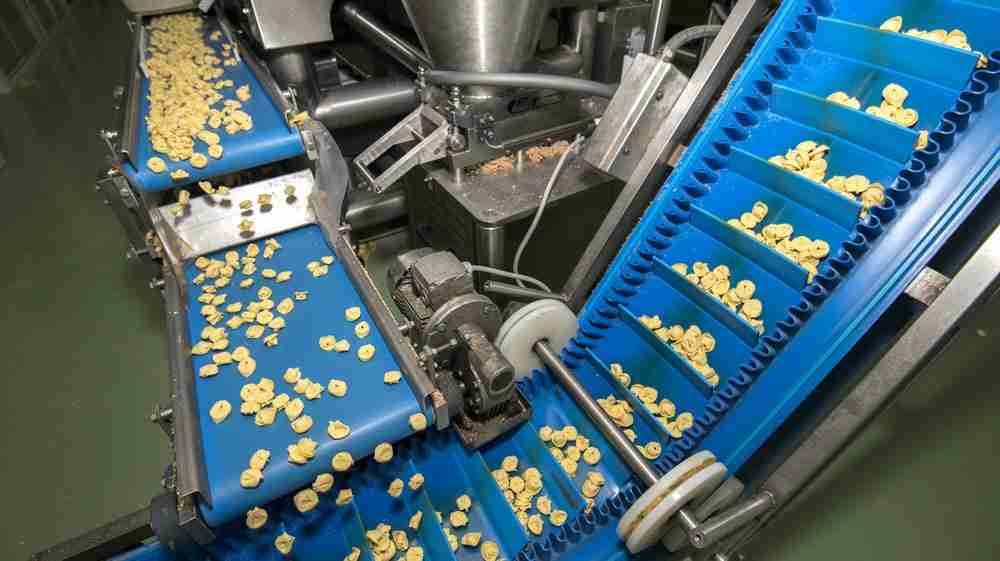
Articulated and Z-belt conveyors are used when products need to be conveyed upwards and discharged, with the first and/or last section required to be horizontal. These conveyors can handle an incline of up to 60 degrees, depending on the product. The conveyor belts on these conveyors are often fitted with lifters or scoops to prevent the product from rolling or sliding down. Furthermore, the product must not fall off the side of the conveyor. This can be prevented by using a conveyor with side guides or corrugated belt edges. Articulated/Z-belt conveyors are often fitted with a feed hopper and a discharge hopper, which we can also supply. Depending on the industry and application, Innoveya recommends materials and a suitable belt type. Material Articulated/Z-belt conveyors can be manufactured in stainless steel, aluminium or steel. Various belt types can also be used, such as: Woven belts Solid PU belts Modular (link) belts
By: Innoveya · 's-Gravendeel