
Portfolio of Innoveya
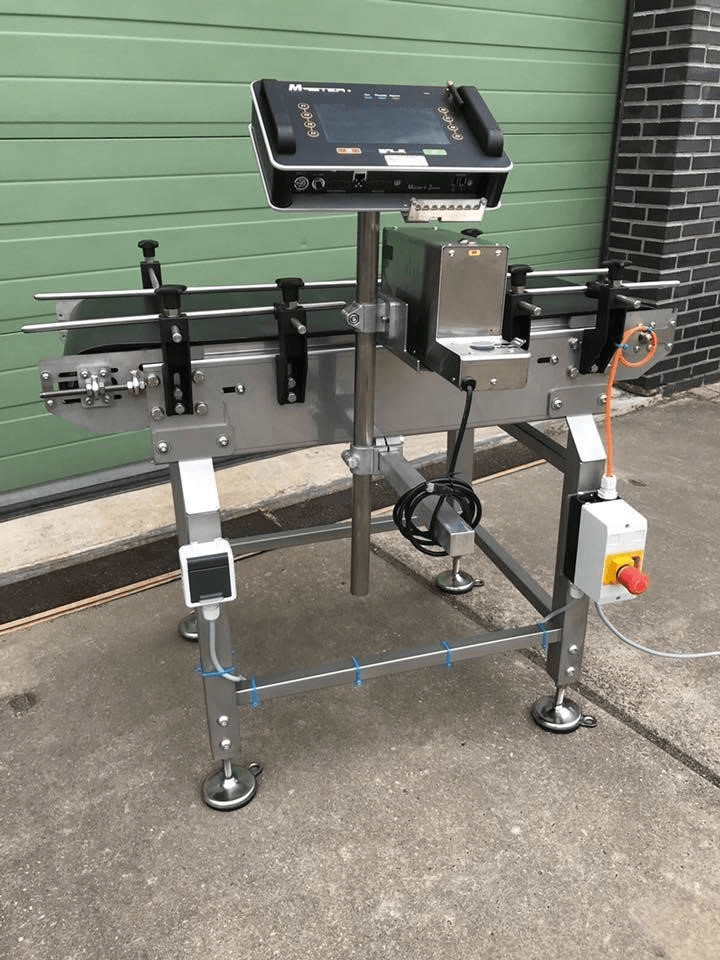
Straight belt conveyor
The straight belt conveyor is the most widely used internal transport system today. These conveyors are found in virtually every industry and can be used for a wide range of applications. They are used to transport a product between two machines or for specific operations, such as labelling, sorting or metal detection. Or, as shown in the photo, for coding products. Depending on the industry and application, Innoveya recommends materials and a suitable belt type. Materials Straight belt conveyors can be manufactured from stainless steel, aluminium or steel. Various types of conveyor belts can also be used, such as: Woven belts Solid PU belts Modular (link) belts Bottle chains Grille belts Mesh belts
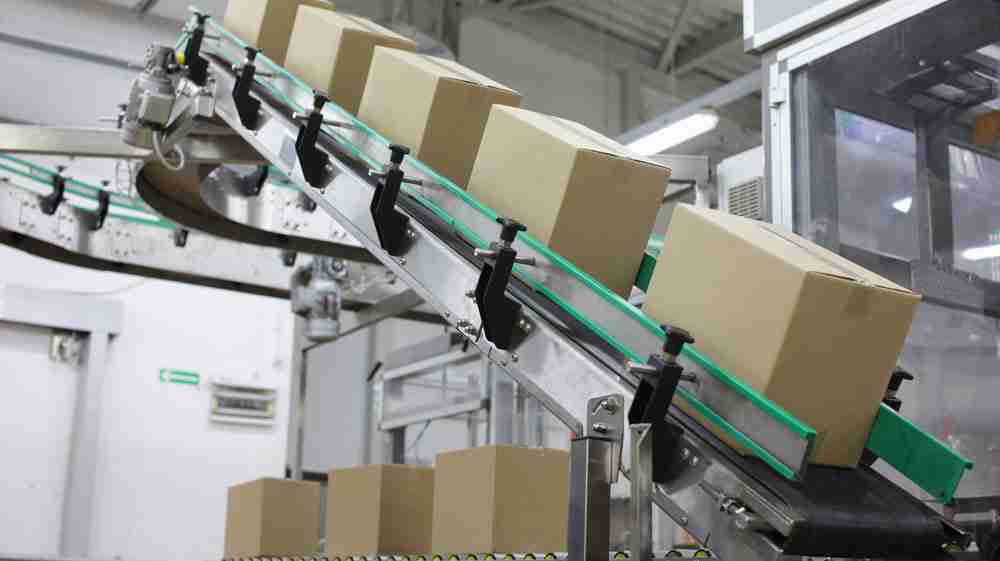
Conveyor belts
Inclined belt conveyors are used when products need to be transported upwards and discharged. These conveyors can operate at an incline of up to 60 degrees, depending on the product. The conveyor belts on these conveyors are often fitted with lifters or scoops to prevent the product from rolling or sliding down. Furthermore, the product must not fall off the side of the conveyor. This can be prevented by using a conveyor with side guides or corrugated belt edges. Inclined belt conveyors are often fitted with a feed hopper and a discharge hopper, which we also supply. Depending on the industry and application, Innoveya recommends materials and a suitable belt type. Material: The inclined belt conveyors can be manufactured in stainless steel, aluminium or steel. Various belt types can also be used, such as: Woven belts Solid PU belts Modular (link) belts
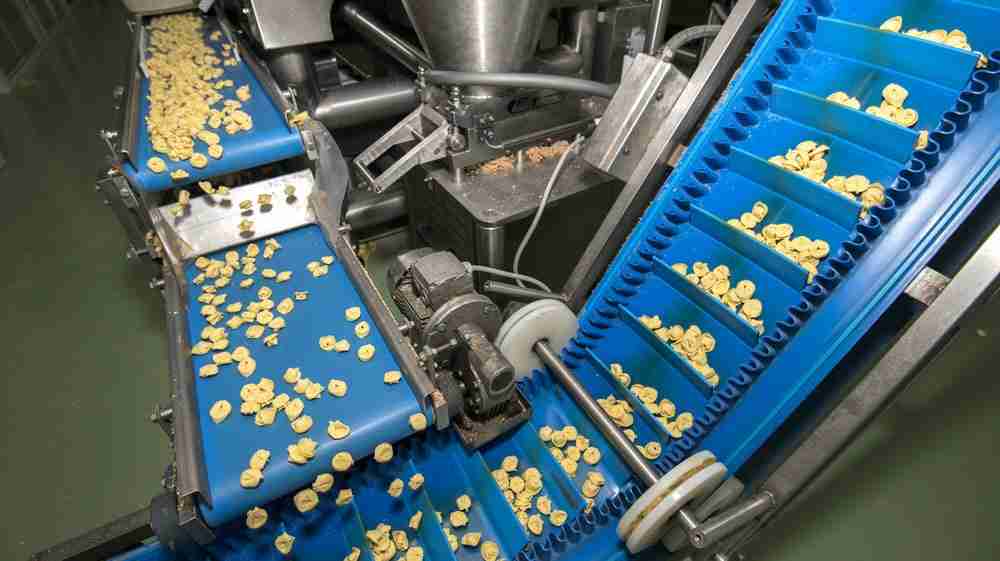
Articulated & Z-belt Conveyors
Articulated and Z-belt conveyors are used when products need to be conveyed upwards and discharged, with the first and/or last section required to be horizontal. These conveyors can handle an incline of up to 60 degrees, depending on the product. The conveyor belts on these conveyors are often fitted with lifters or scoops to prevent the product from rolling or sliding down. Furthermore, the product must not fall off the side of the conveyor. This can be prevented by using a conveyor with side guides or corrugated belt edges. Articulated/Z-belt conveyors are often fitted with a feed hopper and a discharge hopper, which we can also supply. Depending on the industry and application, Innoveya recommends materials and a suitable belt type. Material Articulated/Z-belt conveyors can be manufactured in stainless steel, aluminium or steel. Various belt types can also be used, such as: Woven belts Solid PU belts Modular (link) belts
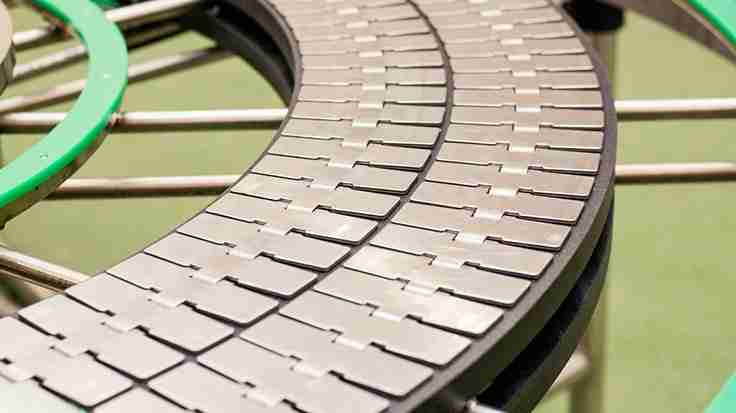
Curved belt conveyors
Curved belt conveyors are used to transport products around a specific curve. These curves can range from 30 to 180 degrees. A key advantage of these conveyors is that the products remain in their original, undisturbed production sequence during transport. Furthermore, the product will not be damaged whilst negotiating the bend. These conveyors can be manufactured in various belt widths and outside radii. Depending on the industry and application, Innoveya recommends materials and a suitable belt type. Material Curved belt conveyors can be manufactured from stainless steel, aluminium or steel. Various types of conveyor belts can also be used, such as: Woven belts Modular (link) belts Bottle chain belts
Conveyor belts
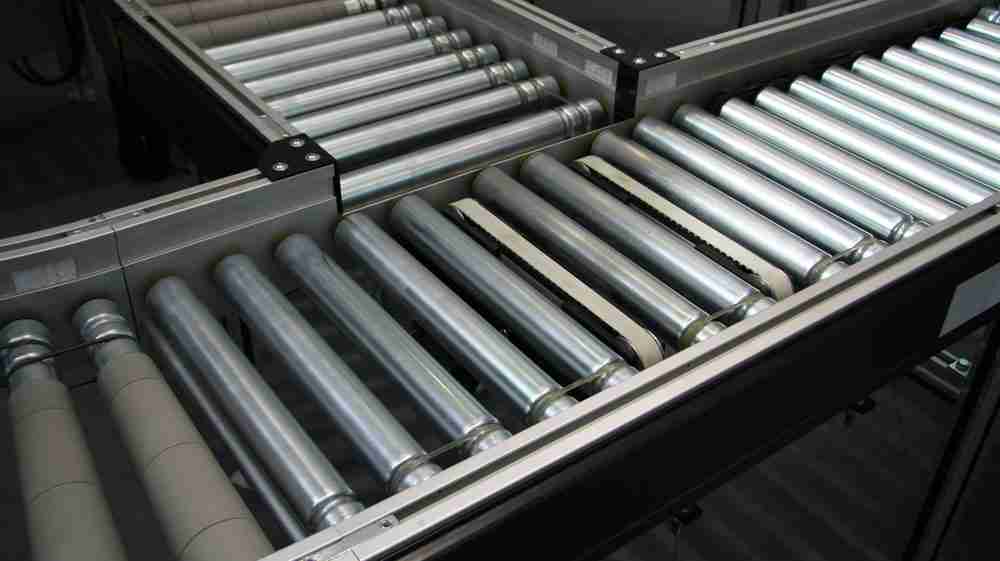
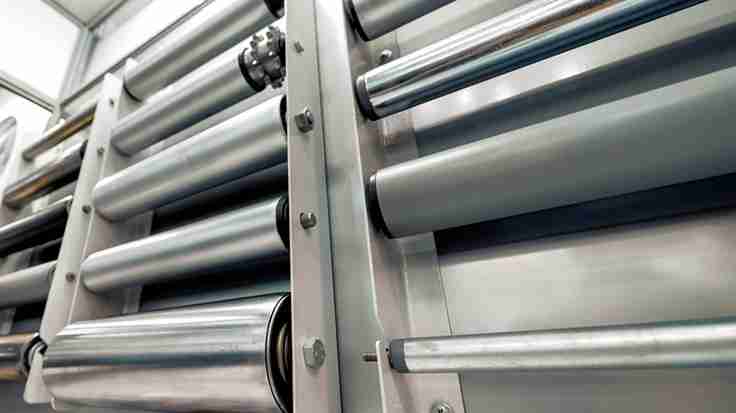
Gravity-fed or powered Conveyor rollers are commonly used in horticulture, distribution centres and factories. A distinction can be made between two types of conveyor rollers: Gravity roller conveyors Powered roller conveyors The non-powered (gravity) roller conveyor is mainly used at the end of a production line. By positioning the conveyor at a specific angle, the product will always roll to the lowest point. Here, the product can be buffered, allowing staff to carry out tasks on the product, for example. Gravity roller conveyors can be manufactured from stainless steel, aluminium or steel. These roller conveyors can be produced in various widths and lengths. Powered roller conveyors are often used to transport unit loads, such as crates, boxes or pallets. As the name suggests, this type of roller conveyor is powered. By threading loops of, for example, round straps or chains through the rollers, all the rollers in a conveyor can be driven by a motor. Powered roller conveyors can be manufactured from stainless steel, aluminium or steel. These roller conveyors can be manufactured in various widths and lengths.
Chain conveyors
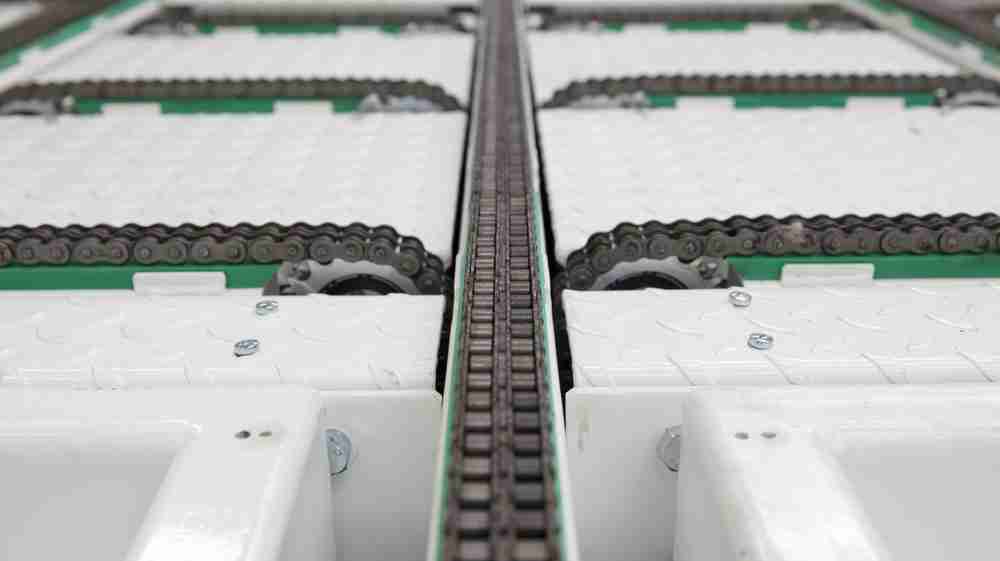
Chain conveyors are transport systems capable of handling heavy and/or long products. Nowadays, they are mainly used for applications such as pallet transport and long wooden beams. Chain conveyors are available in stainless steel and steel.
Buffer and turntables
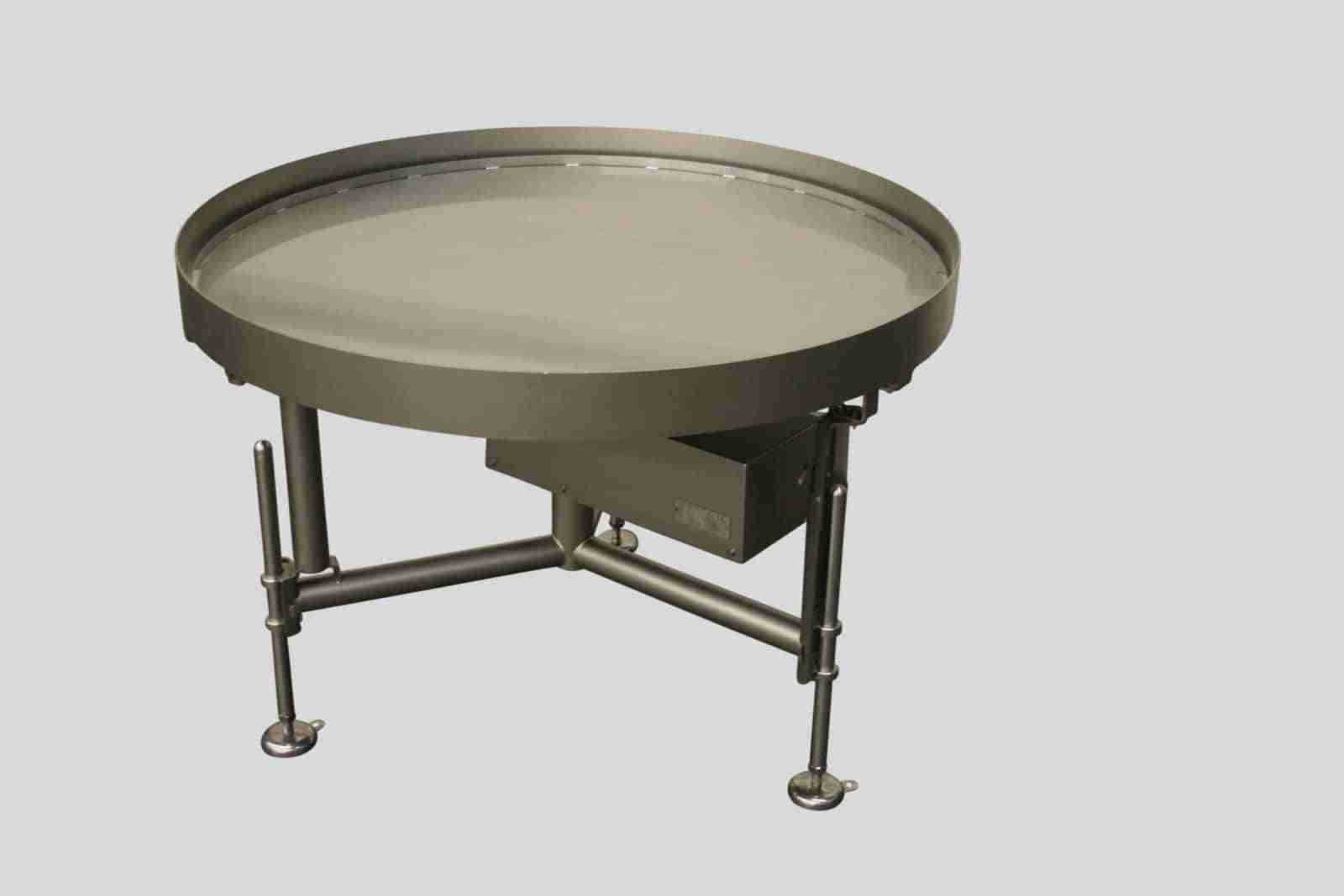
Turntables are often used at the start or end of a production line. A common application is buffering products before or after an operation on the production line. Buffering allows for a continuous supply of products, ensuring that production does not come to a standstill. The turntables are available in stainless steel or carbon steel. Standard diameters for the turntables are 800 mm, 900 mm, 1000 mm, 1250 mm, 1500 mm and 2000 mm.
Vertical transport systems
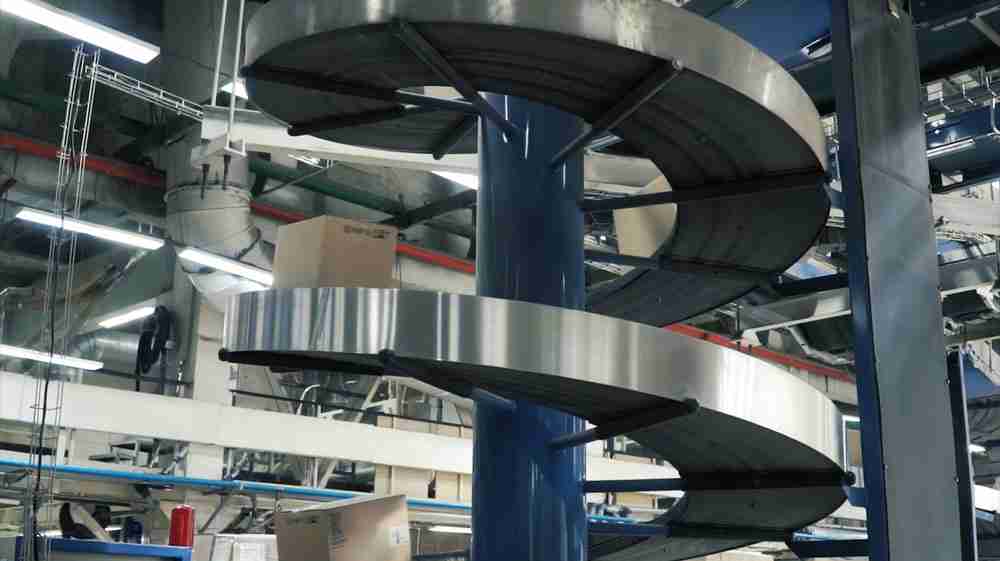
Vertical conveyor systems are used to transport products, such as crates or boxes, over significant height differences within a compact space. The most common vertical conveyor systems are spiral belt conveyors and lift systems.
Conveyor belts
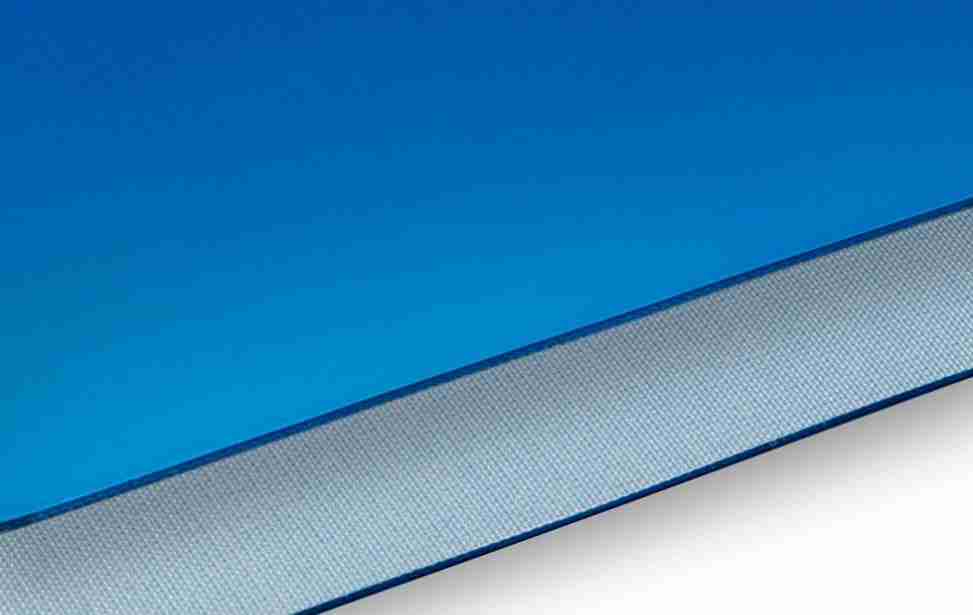
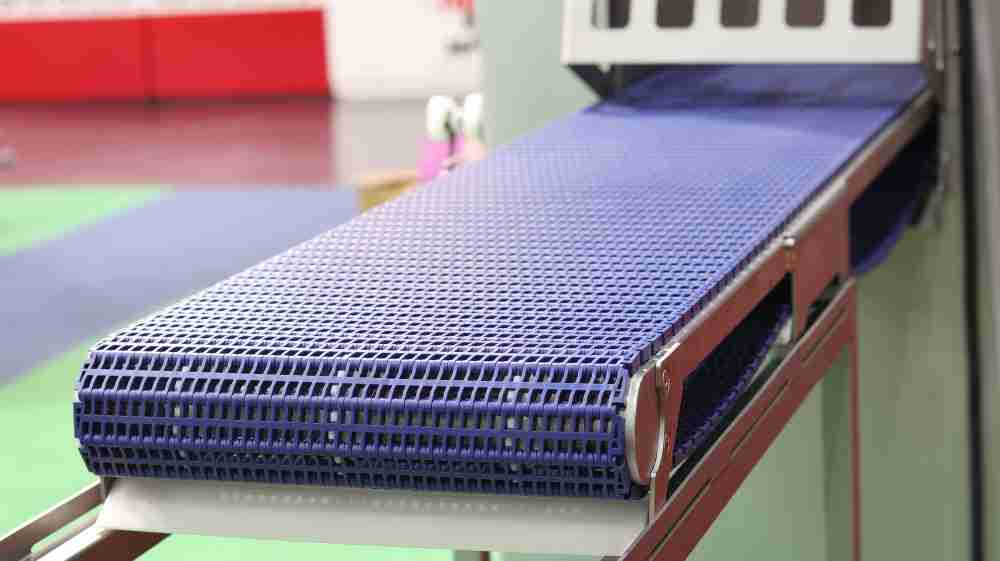
Innoveya has expertise and experience in advising on, assembling, manufacturing and installing conveyor belts. We manufacture these products for a wide range of industries, including: the food industry, agriculture, horticulture, floriculture, logistics, recycling, cardboard manufacturing, the packaging industry, etc. When selecting the right belt material, we take into account the customer’s requirements and the sector in which they operate. Whether it’s shrink-free belts for horticulture or floriculture, or the need for HACCP-compliant, food-safe conveyor belts for the food industry, at Innoveya we have a solution for it all. Variety of materials The range of belts is vast; our product range includes the following types of conveyor belts, amongst others: Plastic conveyor belts Modular conveyor belts Solid PU conveyor belts Chains Belts and round belts
Scrapers
A scraper is often an essential component of a conveyor. It ensures that product adhering to the belt is removed. This issue is evident in various industries to which Innoveya supplies. The use of a scraper can offer the following benefits: extending the service life of the belt reduced cleaning costs the product is protected by being collected beneath the scraper We manufacture a wide range of scrapers in our workshop. Common types of scrapers we produce include: End scraper Cleaning brushes Plough scrapers Diagonal scrapers Moulding scrapers
Roles
Innoveya has extensive expertise in the field of rollers. Our rollers are often used in roller conveyors and beneath conveyor belts. As there is a huge variety and the dimensions are often unique, a thorough assessment is required. Please contact us to enquire about the options. The materials we use include steel, stainless steel, aluminium and plastic. There is the option of fitting the roller with a friction-enhancing coating to prevent the conveyor belt from slipping. Common types of rollers we supply include: Drive drums Guide rollers Support rollers Return rollers Tapered rollers Chain sprocket rollers Rollers in trough assemblies
Liquid filling machines
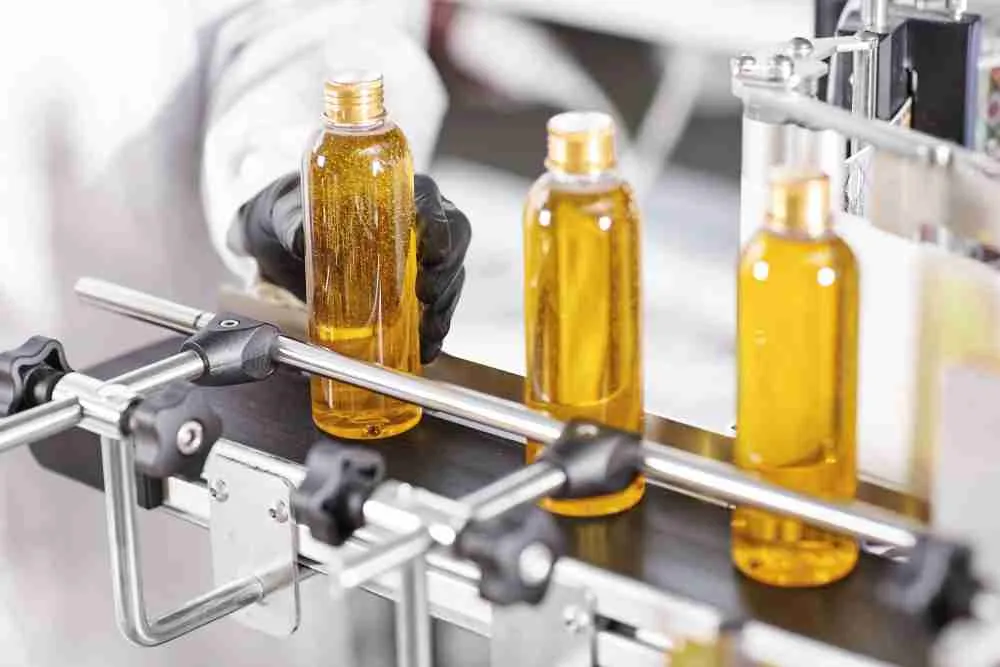
On the production line, the products are precisely measured out using a filling machine to ensure that the customer receives a product of the correct weight. Dosing can be carried out for both solids and liquids. We would be happy to advise you on this. Please contact us for a no-obligation consultation.