
A pallet is officially considered packaging. Are your pallet flows in order?
Since the PPWR came into force, the pallet has officially been classified as packaging. Zoethout Pallets shares tips for more efficient pallet management.
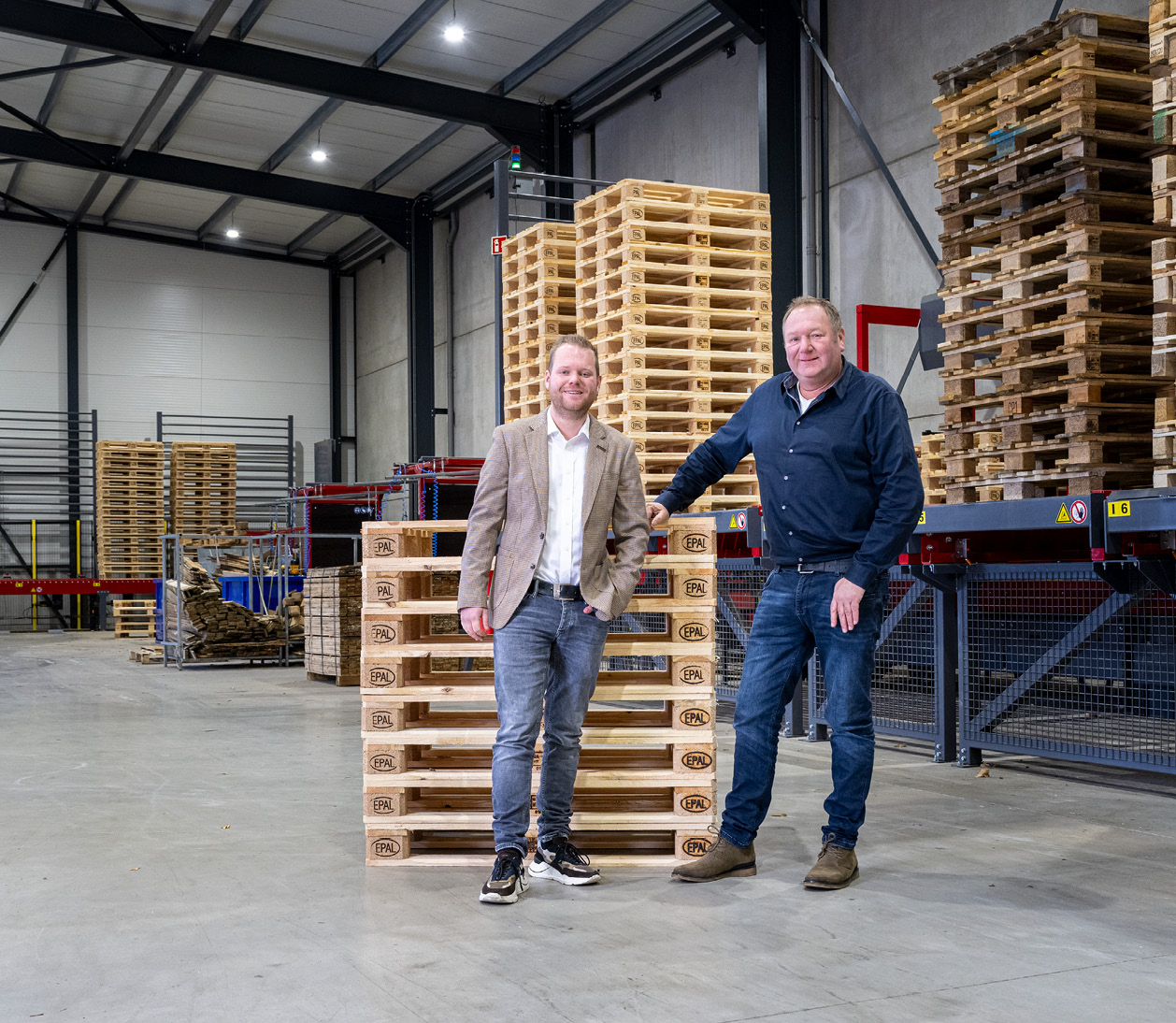
With the PPWR, the pallet officially counts as packaging, but pallet management often goes unnoticed. Zoethout Pallets shares four tips and three check questions.
The pallet is an indispensable link in virtually every supply chain, but its management does not always receive the attention it deserves. With the European Packaging Regulation (PPWR), which came into force on 12 August 2026, it is now officially classified as packaging. Together with Zoethout Pallets from Katwijk (NB), we outline the key points to consider.
The pallet: everywhere, yet under the radar
In most businesses, the pallet is an afterthought. Hardly anyone keeps track of what happens between purchase and use. As a result, costs and opportunities regularly go unnoticed.
Surplus pallets take up valuable storage space and can increase the fire load at a site. Damaged pallets are often disposed of, even though repair and reuse are still possible. And when the required pallets run out unexpectedly, this can have consequences for the planning and continuity of the logistics process.
These situations may appear to be isolated, but they often share the same root cause: insufficient insight into the overall pallet flow. Those who oversee the entire chain can not only save costs but also improve the availability, quality and sustainability of pallets.
The complete picture, under one roof
Zoethout Pallets was founded in 2017 by Jeffrey and Stijn Welten and builds on some 25 years’ experience in the pallet industry. Their motto: ‘Zoethout keeps it simple’.
From procurement to the automated sorting and repair department: the key processes are carried out in-house. Using its own lorries, Zoethout Pallets handles transport in the Netherlands, Germany and Belgium. In addition, the company supplies high-quality new and used pallets in a wide range of designs, from Euro pallets to bespoke solutions tailored to customer requirements.
The processes are ISO 9001-certified and, as the pallets comply with ISPM 15, they meet the requirements for export outside the EU. For customers, this integrated approach means a single point of contact for both the supply and return of pallets, along with everything involved.
Four tips from Zoethout to make your pallet management more efficient
- Maintain pallet flows. Outsource the sorting, inspection and repair of used pallets so that they can be reintroduced into your logistics process. This way, you minimise waste and extend the lifespan of your pallets.
- Outsource stock management. Find a provider who can take care of your pallet stock management. As stocks are actively monitored, you are always assured of having sufficient pallets.
- Swap trailers. With a trailer at the dock, you can easily swap full loads for empty trailers without disrupting the logistics process.
- Reports on return flows. Clear reports give you insight into the numbers, quality and processing of returned pallets. This allows you to gain a clear overview of your pallet flows.
Repair rather than replace
Reuse begins with preserving the value already inherent in a pallet. That is why Zoethout Pallets strives to reuse every pallet – wherever possible.
Using an automated sorting and repair line from Pallet Sorting Systems, up to approximately 500 pallets per hour can be processed, depending on the type of pallet and the work required. Repairs are carried out by experienced staff. Pallets that are no longer suitable for reuse are processed locally into wood chips and raw materials for sustainable recycling.
Economic and sustainability objectives can therefore reinforce one another here.
Three questions to assess your own pallet management
If you want to gain better control over your own pallet flow, you can start with three simple questions:
- How many pallets come in and go out each month? Without insight into these figures, it is difficult to maintain the correct stock levels and to purchase in good time.
- What happens to unusable or damaged pallets? By systematically assessing reuse, repair and take-back options, unnecessary disposal and loss of value can be minimised.
- Is the current pallet type still suitable for the logistics process? For both new and used pallets, minor adjustments can have a positive impact on functionality or purchase value.
If you cannot answer one of these questions straight away, there is room for improvement.
Effective pallet management starts with insight. By mapping out the entire pallet flow and aligning agreements on stock, quality, transport and reuse, a more efficient process is created.
Would you like greater insight into your pallet-related processes? Zoethout Pallets would be happy to walk you through this process.
About Zoethout Pallets
Zoethout Pallets B.V. from Katwijk (NB) has been supplying smart and efficient pallet solutions since 2017.
With 12,500 m² of stock comprising new and used pallets, a sorting and repair line, and in-house transport, Zoethout offers a single point of contact for reliable and sustainable pallet management.
View Zoethout Pallets’ company profile on Nederland Verpakt, call +31 (0)85 369 70 07 or email info@zoethoutpallets.nl.
Lees verder
Gerelateerde berichten

From PA/PE to a single material: it all starts with a trial roll
Vacuum packaging film for meat and cheese is difficult to recycle due to the mix of plastics it contains. Together with A. van den Broek, we look at what the PPWR requires and why you should carry out tests first.
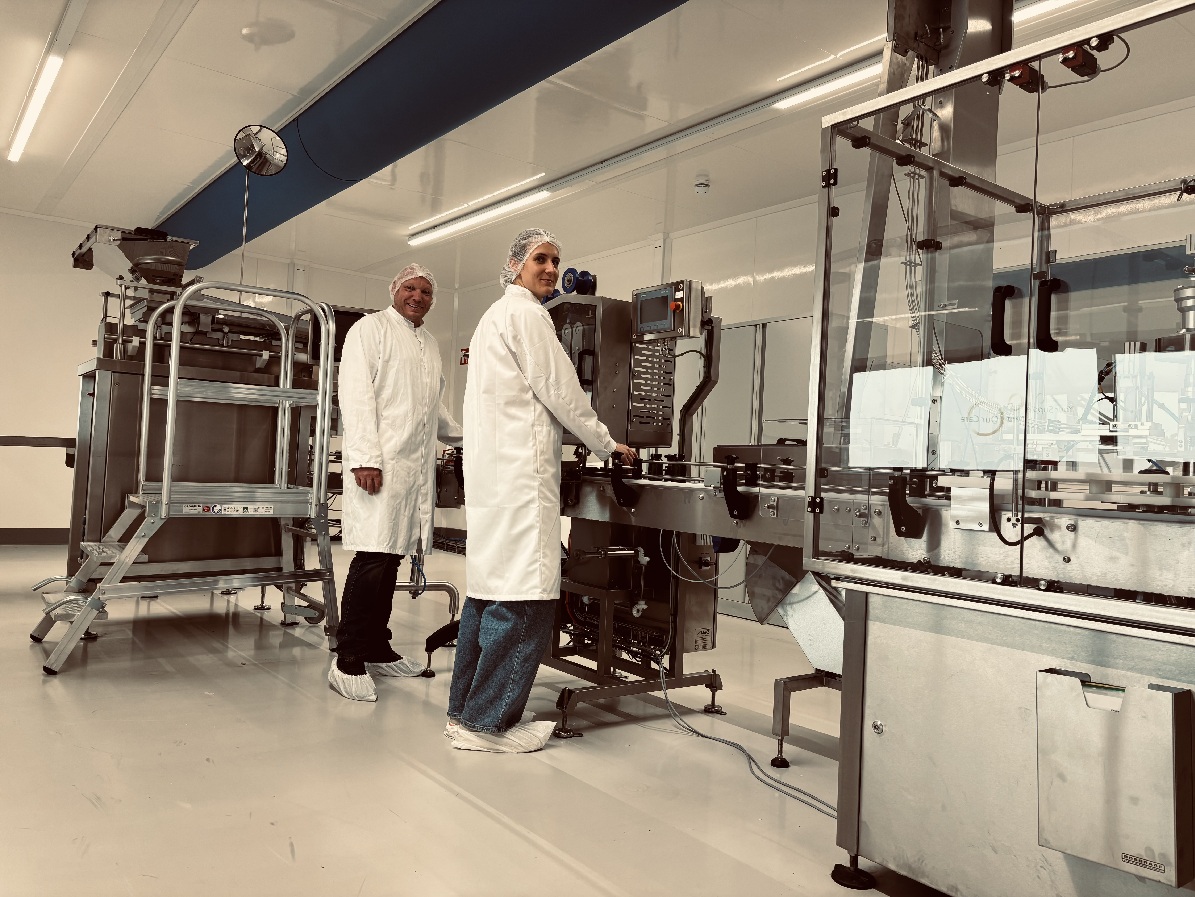
PPWR in practice: Microz on packaging choices for food supplements
The PPWR has been in force in all EU Member States since 12 August 2026. For brands of food supplements, this raises specific questions: about materials, about recyclability and about who the actual manufacturer of the packaging is. Mareno Lubkemann from Microz explains how brand owners, manufacturers and packaging suppliers can work this out together.
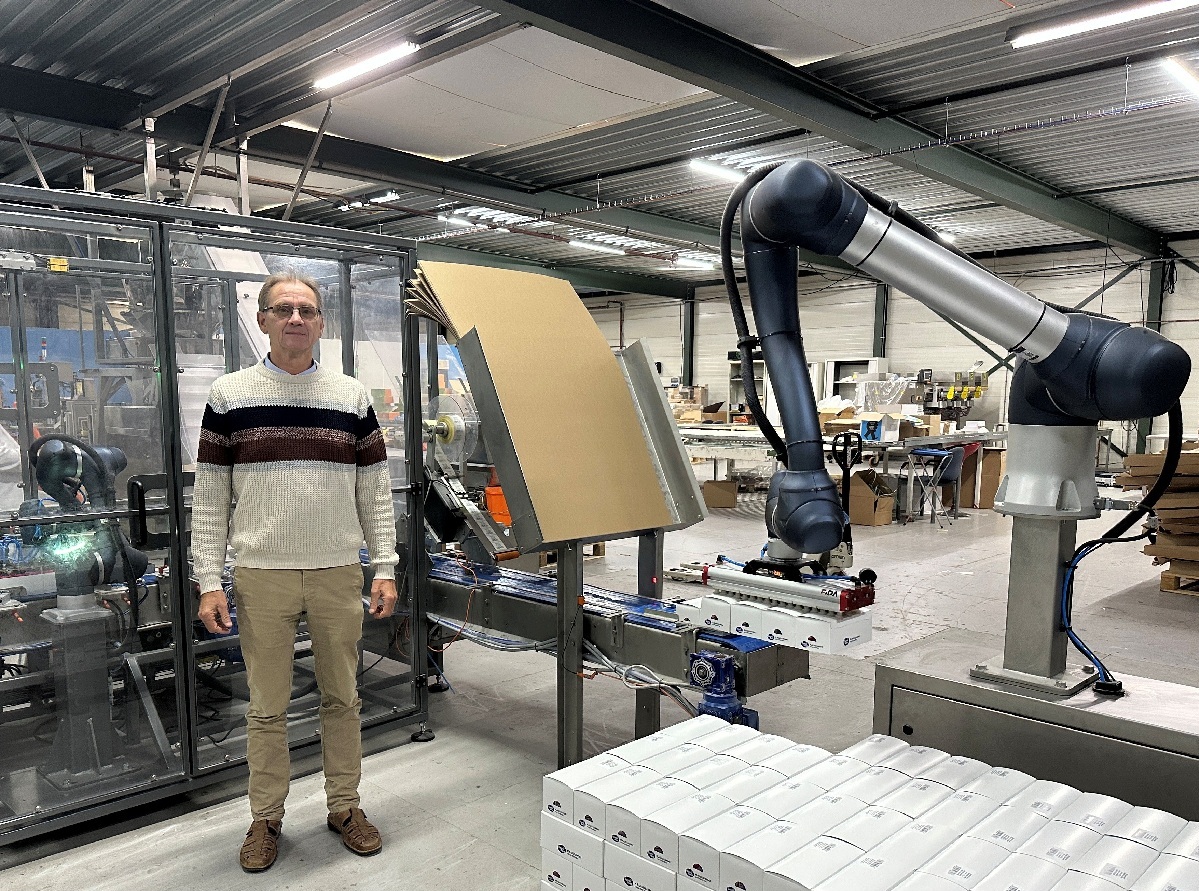
Smaller packaging is driving growth in co-packing
An increase in single-person households, tighter budgets and the growing popularity of own-brand products are driving up demand for smaller pack sizes. Henk van Geest of Multipackers explains why even large manufacturers are outsourcing their packaging work, and how his company is meeting that growth with automated packing lines and cobots.