
From PA/PE to a single material: it all starts with a trial roll
What the PPWR means for film used to wrap meat, meat products and cheese, and why the transition starts with testing on your own production line.

Vacuum packaging film for meat and cheese is difficult to recycle due to the mix of plastics it contains. Together with A. van den Broek, we look at what the PPWR requires and why you should carry out tests first.
Vacuum bags and thermoformed film for meat, meat products and cheese are often made from a combination of several plastics. Whilst this is excellent for shelf life, it makes recycling difficult. With the PPWR, the market is moving towards single-material products. Together with A. van den Broek from Waalwijk, we’ll look at what this means for your film, and why testing is more important than ever.
Why flexible packaging is under pressure
The European Packaging Regulation (PPWR) stipulates that packaging must be recyclable from 2030 onwards. From that year, design criteria and performance classes for recyclability will apply, as well as requirements for recycled content in plastic packaging (Packaging Gateway). The exact criteria for each type of packaging are still being finalised.
For meat packaging, this presents a considerable challenge. Traditional vacuum film often combines polyamide (PA) for strength and barrier properties with polyethylene (PE) for sealing. These layers are inextricably bonded together and are difficult to separate in a recycling stream.
That is why the sector is increasingly turning to mono-material packaging: packaging consisting largely of a single plastic family, such as PE or PP.
‘Mono’ does not mean ‘single-layer’
A common misconception is that mono-material refers to a simple, single-layer film. In reality, a mono-PE or mono-PP film can have multiple functional layers, provided the structure is compatible with the recycling process. Conversely, the ‘mono’ label does not automatically make packaging recyclable.
For fresh meat, the bar is set high. The film must keep oxygen out, seal reliably through fat and meat juices, and be resistant to sharp bones, for example. A different film structure can also mean different sealing behaviour and different machine settings.
So making the switch isn’t simply a matter of ordering a different roll. It’s a decision you must substantiate with tests, carried out on your own production line and with your own product.
The film must be suitable for both your product and your machine
A. van den Broek BV, based in Waalwijk, has been a supplier and manufacturer of packaging for the food industry since 1982. Its range includes film for thermoforming, top-sealing and flow-packing, vacuum bags and interleavers.
These vacuum bags cover a wide range of applications: side-sealed bags, bags for cooked ham, stand-up and pole bags, shrink bags and sous-vide bags that can be heated to 121 °C.
When selecting packaging, A. van den Broek considers protection against spoilage and drying out, as well as colour retention.
Testing begins with a sample roll
Anyone wishing to try a new film often faces the same problem: requesting a sample roll from a manufacturer takes a long time. A. van den Broek therefore has its own cutting facilities and cuts sample rolls to size itself. This allows you to test the film more quickly on your own machine, and in practice, such a test is often the starting point for a new product launch.
The company acts as an agent for European film manufacturers and seeks the most effective combination for each application. All materials come from BRC-certified manufacturers, and A. van den Broek is itself BRC-certified.
Ten years ago, the company moved to a new production site with ample storage capacity. There is always a basic stock of film in various grades and thicknesses, ensuring rapid delivery. This is handy if you’ve just bought a new packaging machine and are still looking for the right film.
What Hibassk® demonstrates
The Hibassk® film illustrates how such a development works in practice. A. van den Broek developed and patented this film in collaboration with the fresh meat industry. The reason for this was that beef, particularly on the export market, was discolouring significantly whilst in its packaging.
Hibassk® preserves the colour of the meat for longer, has a high oxygen barrier for a longer shelf life and minimises moisture loss. When opened, the meat smells fresher than with conventional film. The film is primarily used on thermoforming machines, but is also available as a pouch and as skin packaging.
In short: better packaging is achieved by testing and refining the product in collaboration with the industry. It is precisely this approach that the move towards recyclable film also requires.
Four questions for your film supplier
Would you like to know how your packaging is faring? Start with these four questions.
- What materials is my current film made of? If you know whether it’s a PA/PE combination or another structure, you’ll also know just how big a challenge this is.
- What barrier does my product actually need? Not every product requires the same shelf life, and oversizing not only costs money but also wastes material unnecessarily.
- Can I test an alternative on my own production line first? A test roll works wonders!
- What changes will be needed to the sealing and machine settings? Test it on your own machine to ensure you won’t face any surprises later on.
If you can’t answer any of these questions straight away, now is the time to start the conversation. 2030 is coming faster than an average test period might suggest.
About A. van den Broek BV
A. van den Broek BV, based in Waalwijk, has been supplying film, vacuum bags and interleavers to the food industry since 1982, with its own production department for cutting film and manufacturing bags.
View A. van den Broek’s company profile on Nederland Verpakt, call +31 (0)416 34 05 31 or email remco@avdbroek.nl.
Lees verder
Gerelateerde berichten
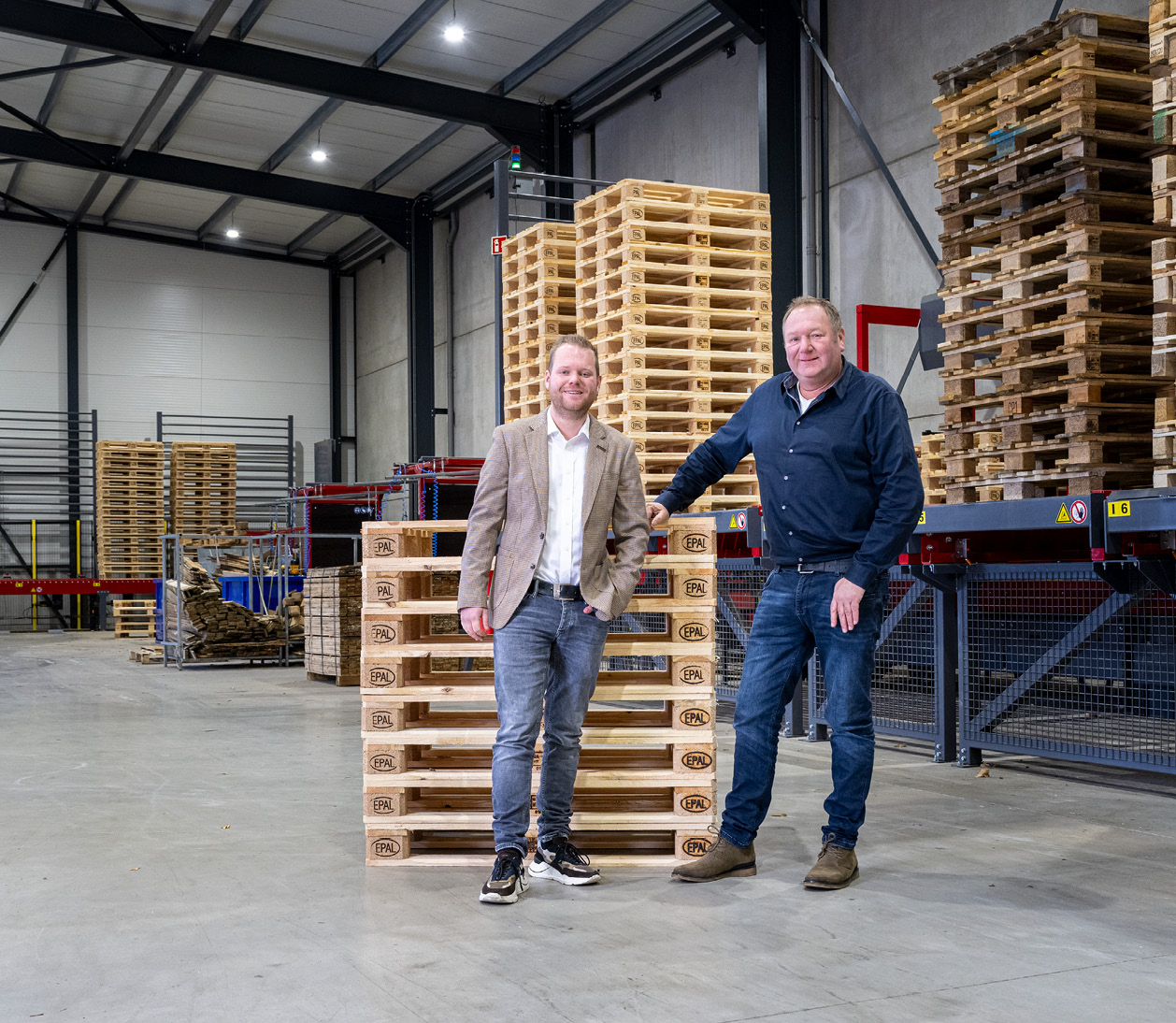
A pallet is officially considered packaging. Are your pallet flows in order?
With the PPWR, the pallet officially counts as packaging, but pallet management often goes unnoticed. Zoethout Pallets shares four tips and three check questions.
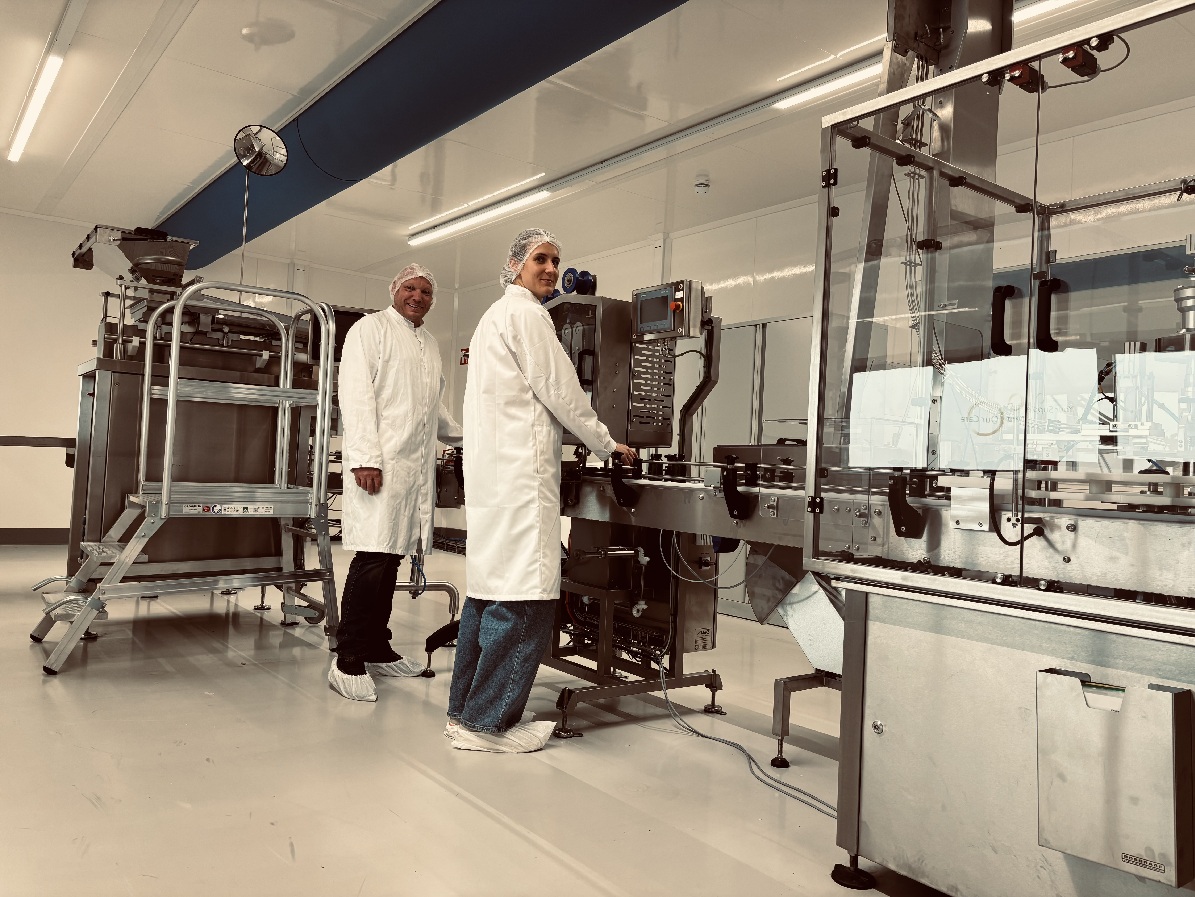
PPWR in practice: Microz on packaging choices for food supplements
The PPWR has been in force in all EU Member States since 12 August 2026. For brands of food supplements, this raises specific questions: about materials, about recyclability and about who the actual manufacturer of the packaging is. Mareno Lubkemann from Microz explains how brand owners, manufacturers and packaging suppliers can work this out together.
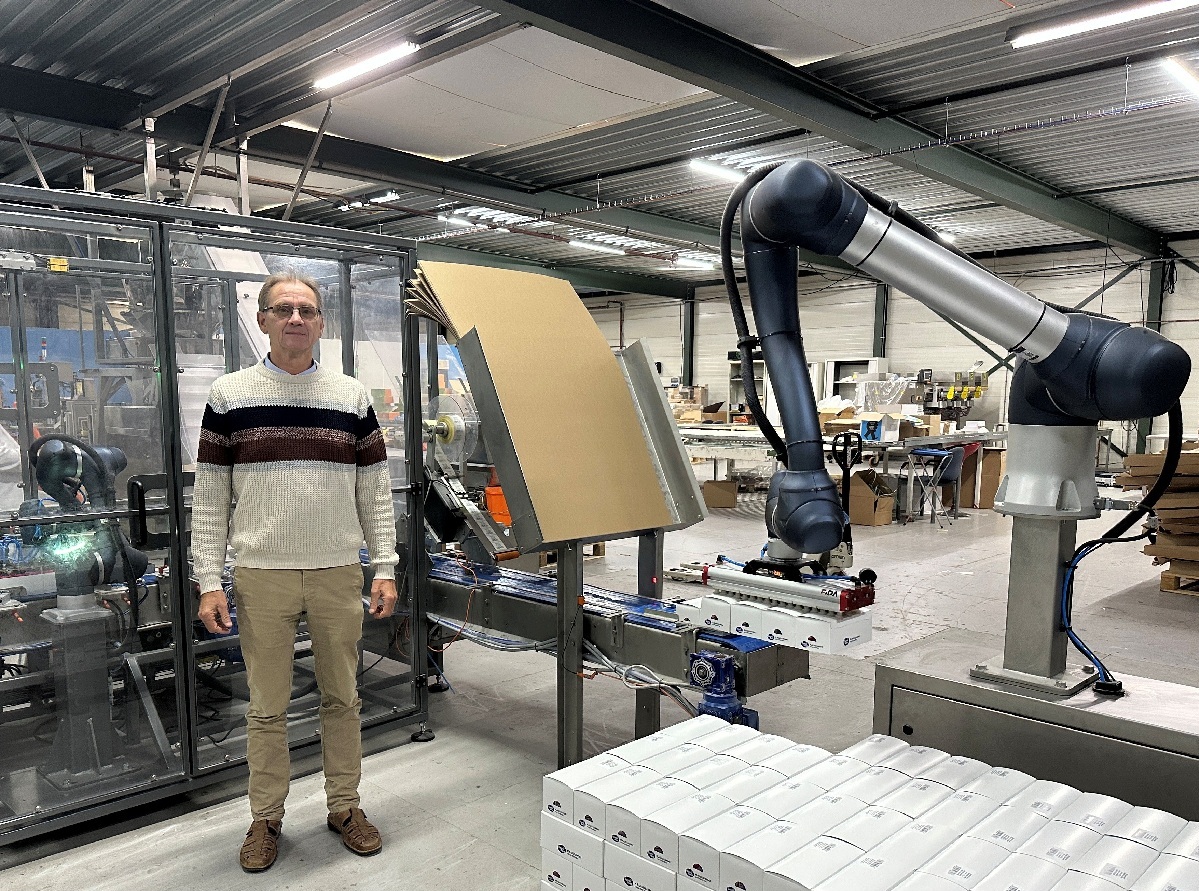
Smaller packaging is driving growth in co-packing
An increase in single-person households, tighter budgets and the growing popularity of own-brand products are driving up demand for smaller pack sizes. Henk van Geest of Multipackers explains why even large manufacturers are outsourcing their packaging work, and how his company is meeting that growth with automated packing lines and cobots.