
The hidden value in your machinery: why reconditioning is the future of the packaging industry
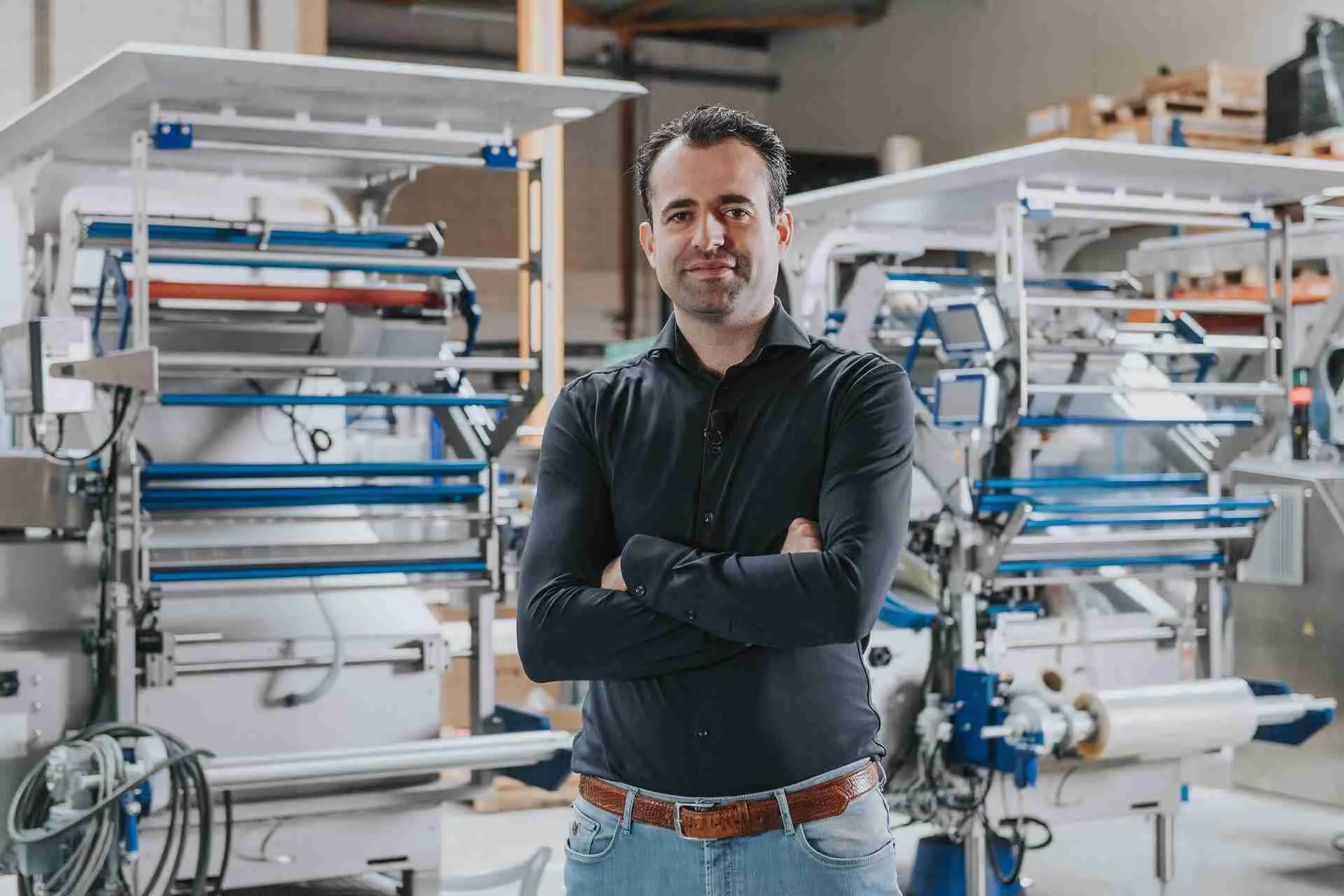
At a time when sustainability and cost control go hand in hand, many manufacturing companies are faced with a choice. Do you invest in a completely new machine with long lead times and high capital costs? Or do you opt for a solution that is both economically and environmentally sound? Together with VH Vertical Packaging, we delve into the world of packaging machine refurbishment.
Craftsmanship meets modern technology
The idea that a used machine is ‘worn out’ is long outdated. Within the packaging industry, refurbishment is increasingly becoming a strategic choice rather than simply an alternative to buying new.
VH Vertical Packaging has been specialising in this field since 1994. Their vision: a sturdy machine frame can often last for years to come, provided the machine’s ‘internal components’ are replaced.
An overhaul goes far beyond a mere cosmetic refurbishment. The process consists of four key steps:
- Full mechanical overhaul
- The machine is completely dismantled and wear parts are replaced as a preventative measure.
- Modern control systems and software
- Outdated control systems are replaced with modern software and control technology, ensuring the machine once again meets current standards.
- Customisation for the customer
- Additional options and modifications are tailored to current production requirements.
- Extensive testing
- The machine only leaves the workshop after a thorough testing phase.
The three main benefits of reconditioning
Why are more and more companies opting for a reconditioned machine?
- Speed: In a market where lead times for new machines can sometimes be considerable, a used or reconditioned model is often operational within a matter of weeks.
- Cost-effective growth: You make significant savings on investment costs without compromising on the reliability or quality of your end product.
- Circular impact: By giving an existing machine a second life, you directly reduce the carbon footprint of your production process. It is the most tangible form of reuse in our sector.
Results with a smile
According to VH Vertical Packaging, refurbishment ultimately boils down to one thing: ensuring that customers can continue to produce reliably for years to come. It demonstrates that craftsmanship and modern entrepreneurship go hand in hand.
At Nederland Verpakt, we believe that reuse and refurbishment play a key role in making the Dutch packaging industry future-proof. Whether you’re a start-up manufacturer or an established player looking for extra capacity, a refurbished machine is definitely worth considering.
About VH Vertical Packaging
With hundreds of operational installations worldwide, VH Vertical Packaging specialises in both new and reconditioned vertical packaging machines. Their approach combines technical expertise with personal commitment.
Curious about VH Vertical Packaging’s current range of new and reconditioned machines? View the range on Nederland Verpakt.
Lees verder
Gerelateerde berichten
PPWR in practice: Microz on packaging choices for food supplements
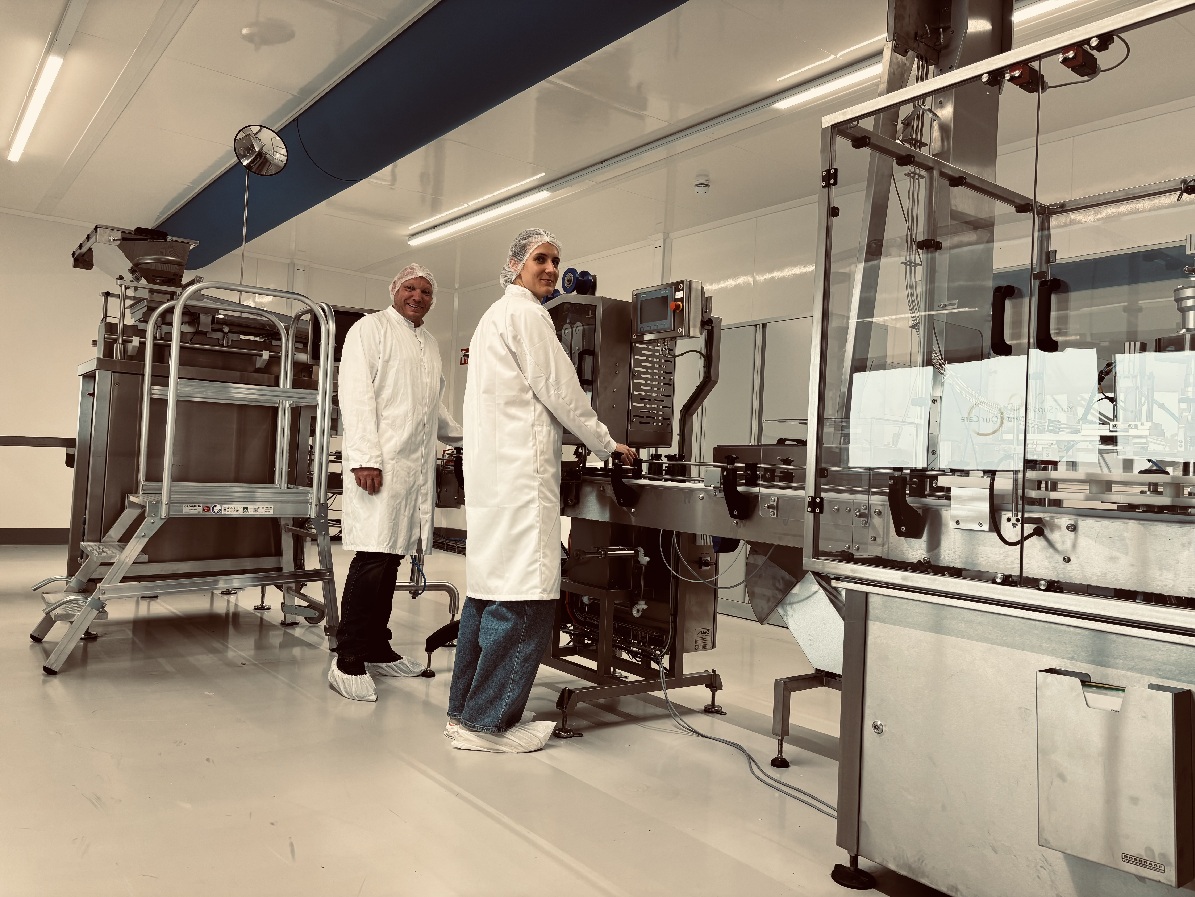
The PPWR has been in force in all EU Member States since 12 August 2026. For brands of food supplements, this raises specific questions: about materials, about recyclability and about who the actual manufacturer of the packaging is. Mareno Lubkemann from Microz explains how brand owners, manufacturers and packaging suppliers can work this out together.
Smaller packaging is driving growth in co-packing
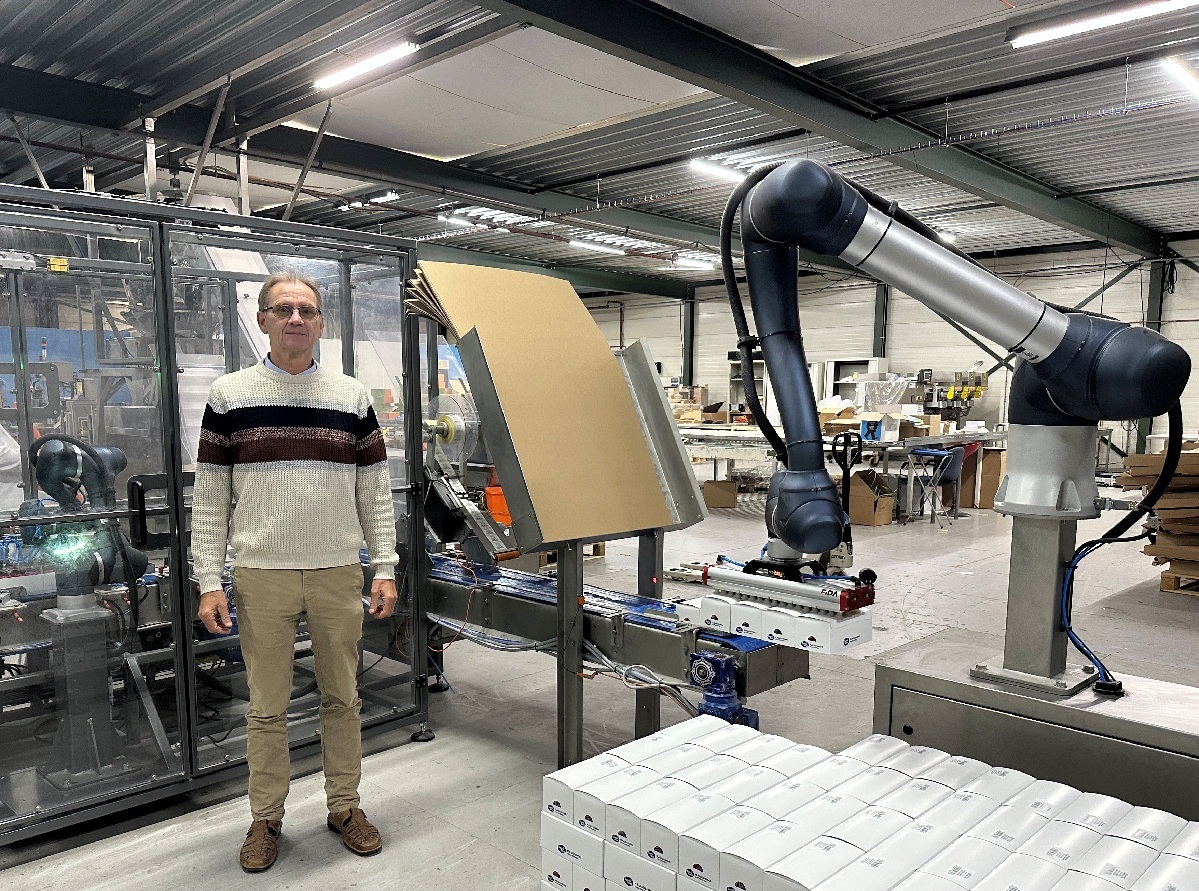
An increase in single-person households, tighter budgets and the growing popularity of own-brand products are driving up demand for smaller pack sizes. Henk van Geest of Multipackers explains why even large manufacturers are outsourcing their packaging work, and how his company is meeting that growth with automated packing lines and cobots.
Why the biggest profit often isn’t to be found in a machine
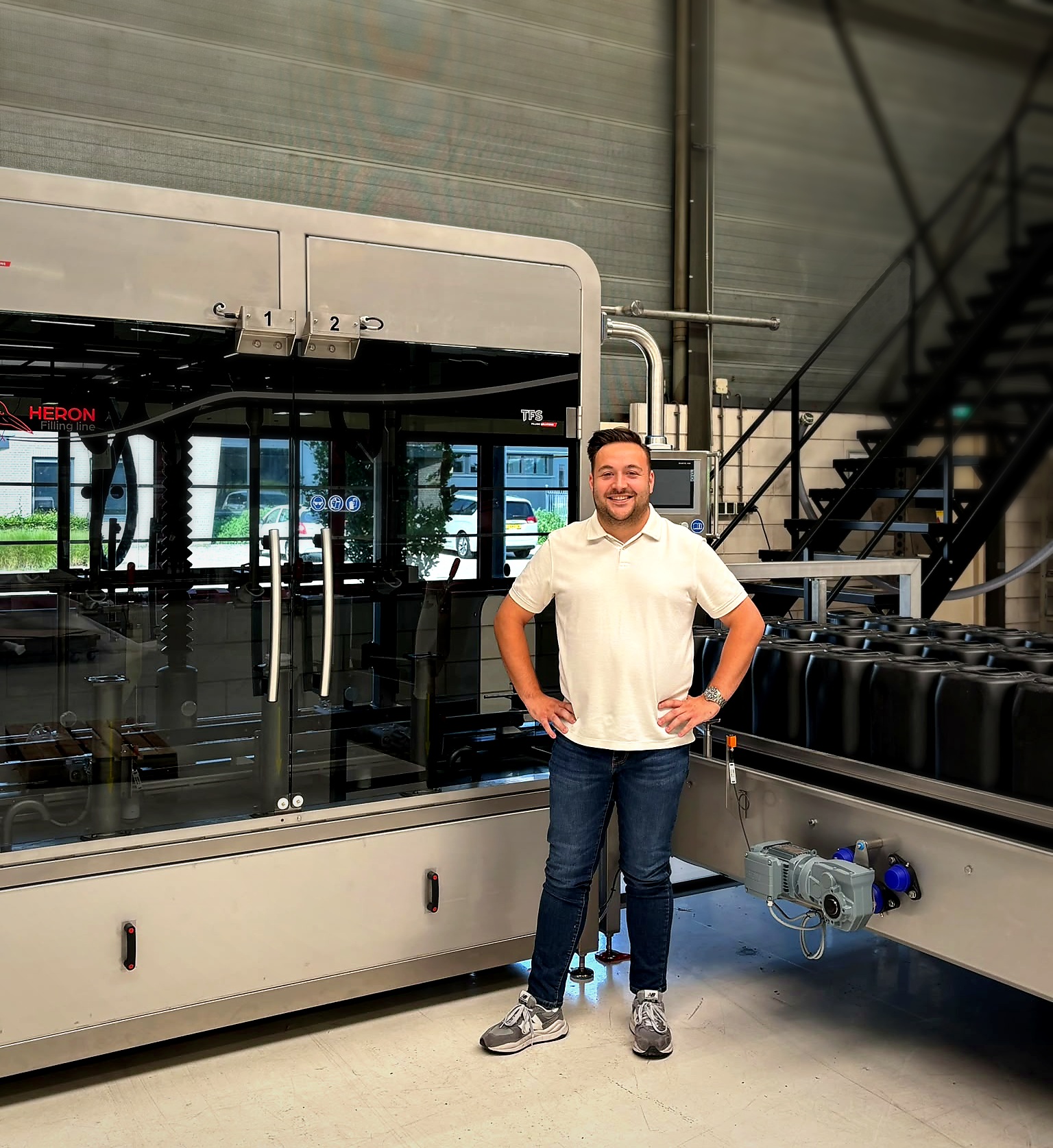
The greatest gains in production are rarely to be found in a single machine, but in the connections between them. This is why companies are increasingly looking at the process as a whole rather than at individual pieces of equipment.