
Natural Packaging: The Rediscovery of Wood and Pottery
Why are wood and pottery making a comeback in supermarkets? Discover their unique benefits in terms of shelf life, flavour and sustainable reuse.
On the shelves of supermarkets and specialist shops, we’re seeing a striking trend: the resurgence of materials that we’ve taken for granted for generations, but which had temporarily been pushed into the background by plastic.
Wood and pottery are making a comeback. Not only for their aesthetic value, but above all for their unique functional properties that are immediately recognisable in everyday life. In this article, we explore the benefits of these ‘old’ materials with a modern twist.
Wood: Sturdiness with a natural feel
Wood is perhaps the most versatile natural product in the packaging sector. It offers a combination of strength, light weight, flexibility and breathability that synthetic materials struggle to match without compromising on sustainability.
Here we see the power of wood in practice:
Strawberries and soft fruit
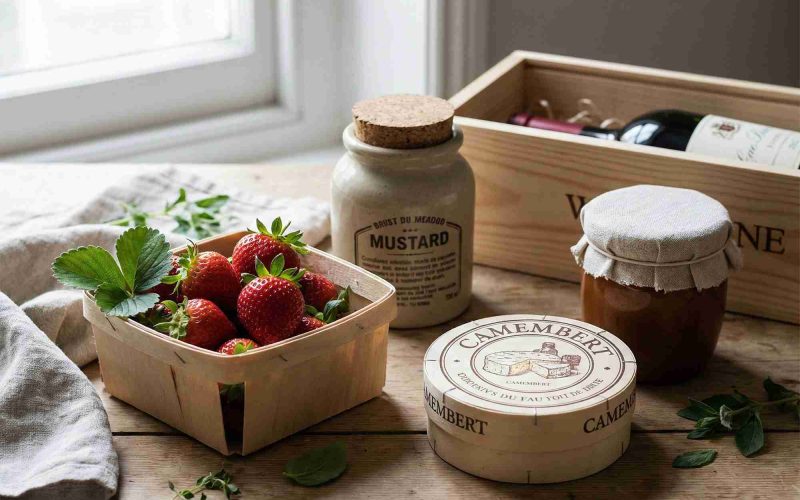
Anyone visiting the greengrocer in summer will see the familiar wooden baskets. These aren’t just for decoration: wood regulates moisture levels far more effectively than plastic. As a result, delicate fruit is less likely to go mouldy and stays firm for longer.
Cheese and delicatessen products
The iconic round boxes for Camembert or the crates for soft cheeses serve an important purpose. The wood provides natural protection against knocks, whilst allowing the cheese to continue to ‘breathe’. This ability to breathe is essential for the maturing and flavour development of the product.
Wine and luxury gifts
For luxury bottles of wine, a wooden box offers that classic, chic look. Functionally, it protects the contents from light and temperature fluctuations. Moreover, the packaging is often kept as a storage box after use, which extends its lifespan.
Pottery: The master of insulation and preservation
Earthenware and ceramics immediately evoke a sense of craftsmanship and quality. Whereas glass is transparent, earthenware provides a complete barrier against light, which is crucial for the shelf life of certain natural products.
Why are producers increasingly opting for stone and pottery again?
- Dairy and desserts: In the chiller cabinet, the stone pots for luxury yoghurt and quark immediately catch the eye. Earthenware retains the cold temperature for longer once the product is on the table. Furthermore, the material does not leach any substances, ensuring the flavour remains 100 per cent pure.
- Mustard and spices: Traditional French mustard in a stone pot is a classic. The material protects the volatile aromas of herbs and spices, ensuring that the sharpness and flavour are retained for longer than in a plastic tube.
A second life in the home
One of the greatest strengths of earthenware is its ‘second life’ value. The jars rarely end up in the glass recycling bin; after use, they are ideal as tableware, as flower pots for herbs on the windowsill, as tea light holders or for storing small kitchen utensils.
The power of experience and functionality
The choice of wood and earthenware is more than just a nostalgic impulse; it is a conscious choice for quality. These materials speak directly to the consumer: a product made of wood or stone feels heavier, more valuable and more authentic.
Moreover, these materials offer solutions to the growing demand for circularity:
- Wood is fully biodegradable.
- Thanks to its robustness, earthenware invites years of reuse in the home, reducing the need for disposable materials.
Conclusion
Wood and pottery prove that innovation in the world of packaging does not always have to come from a laboratory. By utilising the natural properties of these materials – such as breathability, strength and thermal insulation – manufacturers create added value that goes beyond simply protecting the contents. It brings a familiar touch of nature back into our modern kitchens.
Lees verder
Gerelateerde berichten
PPWR in practice: Microz on packaging choices for food supplements
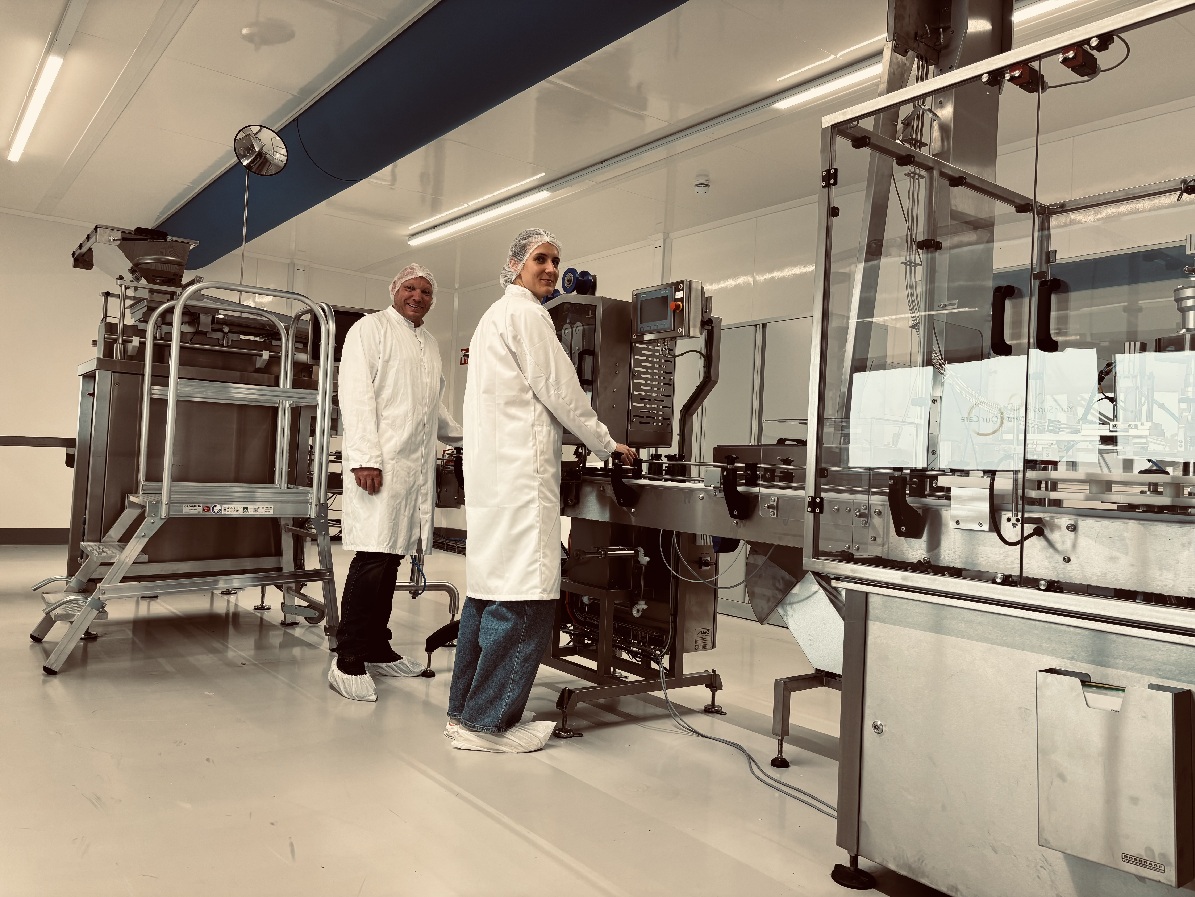
The PPWR has been in force in all EU Member States since 12 August 2026. For brands of food supplements, this raises specific questions: about materials, about recyclability and about who the actual manufacturer of the packaging is. Mareno Lubkemann from Microz explains how brand owners, manufacturers and packaging suppliers can work this out together.
Smaller packaging is driving growth in co-packing
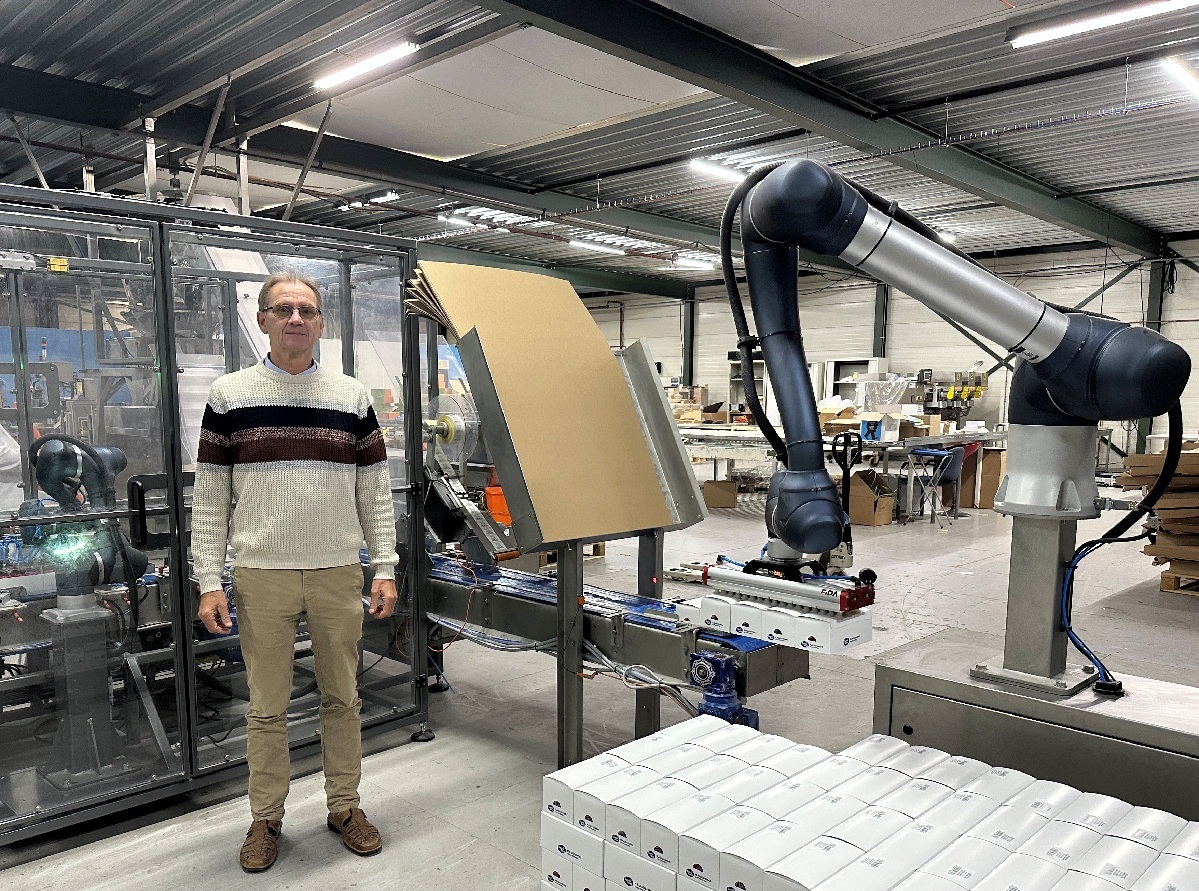
An increase in single-person households, tighter budgets and the growing popularity of own-brand products are driving up demand for smaller pack sizes. Henk van Geest of Multipackers explains why even large manufacturers are outsourcing their packaging work, and how his company is meeting that growth with automated packing lines and cobots.
Why the biggest profit often isn’t to be found in a machine
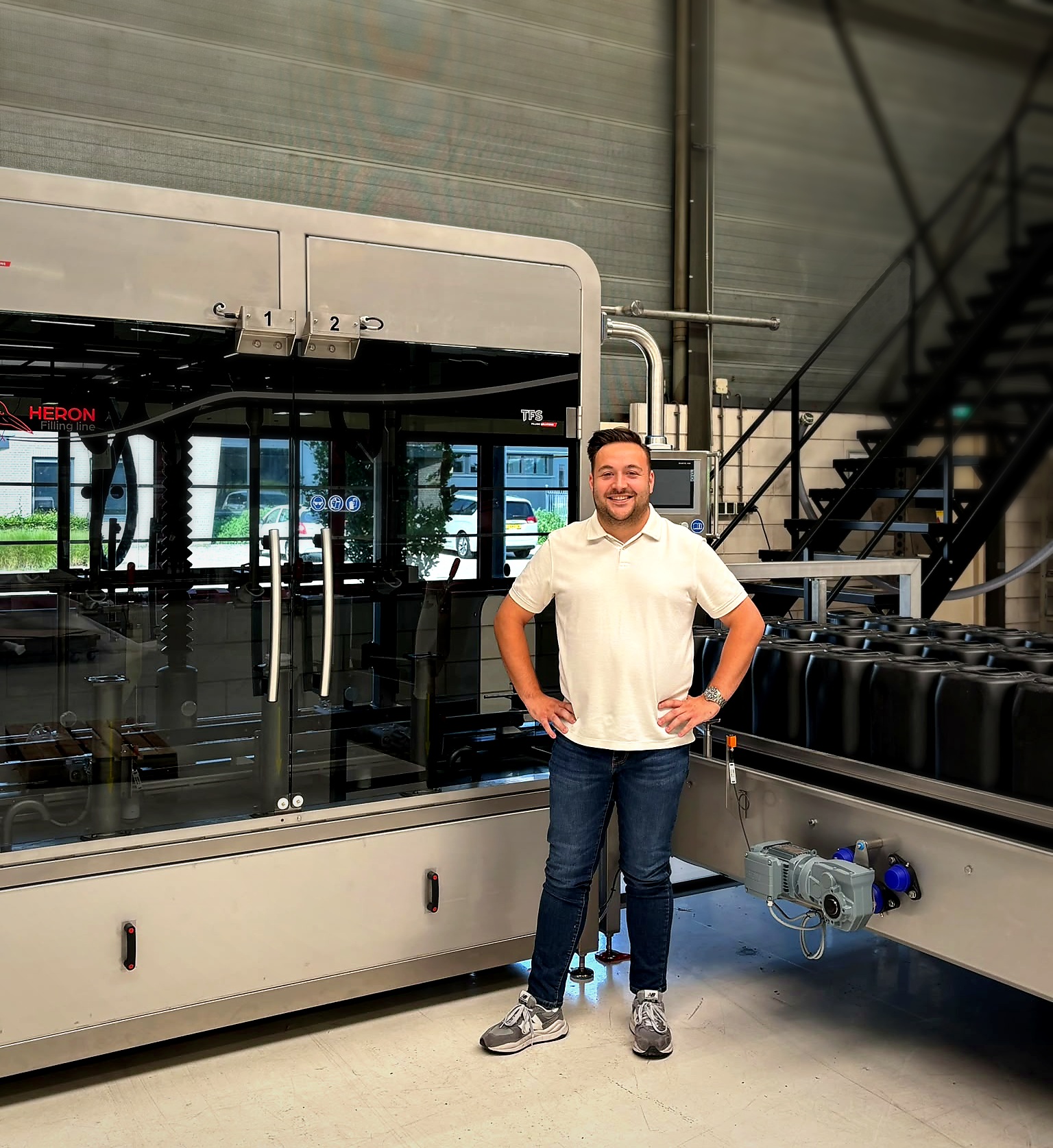
The greatest gains in production are rarely to be found in a single machine, but in the connections between them. This is why companies are increasingly looking at the process as a whole rather than at individual pieces of equipment.