
Dutch researchers are producing bioplastic from maize using spinning technology
A new production method based on maize offers prospects for biodegradable packaging materials.
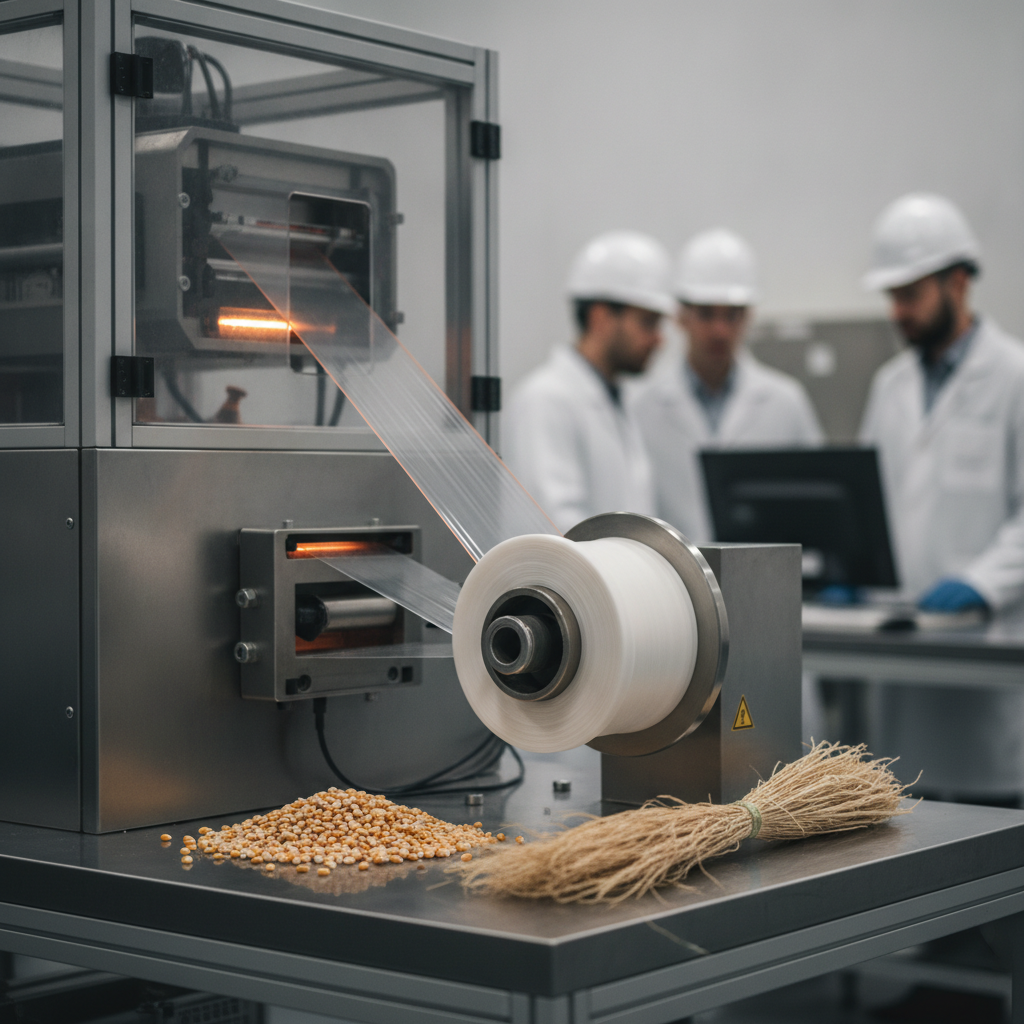
Dutch scientists have developed a method for producing bioplastic from maize using spinning technology. This approach could offer a sustainable alternative to fossil fuel-based plastics. This is a significant development for packaging manufacturers seeking biodegradable materials.
Dutch researchers have developed a method for producing bioplastic from maize using spinning technology. The method could become a viable alternative to conventional fossil-based plastics, and is therefore attracting the attention of materials specialists and packaging manufacturers who are committed to biodegradable solutions.
Background and context
The search for alternatives to fossil-based plastics has been ongoing for years within the packaging industry. Bioplastics based on plant-derived raw materials are increasingly being investigated, but regularly face challenges relating to processability, mechanical properties and scalability. The Dutch researchers chose maize as a raw material due to its availability and the suitable chemical properties of the biopolymers it contains.
What spinning technology involves
The core of the innovation lies in the application of spinning technology — a process in which material is forced through small openings to form fibres or films. Processing maize components in this way produces a bioplastic with properties that could be useful in packaging applications. According to the available information, the method stands out because the material is biodegradable and the production route appears to be relatively scalable.
Relevance to the packaging industry
The potential applications are of interest to buyers and product developers in the packaging sector, although the technology is currently still at the research stage. Key areas for further development include:
- Mechanical strength and barrier properties compared with conventional plastics
- Compatibility with existing processing and filling machinery
- Biodegradability under real-world conditions
- Cost and availability of the maize feedstock on an industrial scale
Outlook
It is not yet clear whether and when this bioplastic will find its way into commercial packaging applications. The transition from the laboratory to industrial production typically requires several years of further development, pilot projects and certification. Nevertheless, the research illustrates that the Netherlands is actively contributing to the development of bio-based materials, a sector that is gaining in importance due to increasing regulation surrounding plastics and growing demand for sustainable packaging.
Sources:
Lees verder
Gerelateerde berichten
PPWR in practice: Microz on packaging choices for food supplements
The PPWR has been in force in all EU Member States since 12 August 2026. For brands of food supplements, this raises specific questions: about materials, about recyclability and about who the actual manufacturer of the packaging is. Mareno Lubkemann from Microz explains how brand owners, manufacturers and packaging suppliers can work this out together.