Packaging recycling in the Netherlands: sorting plant
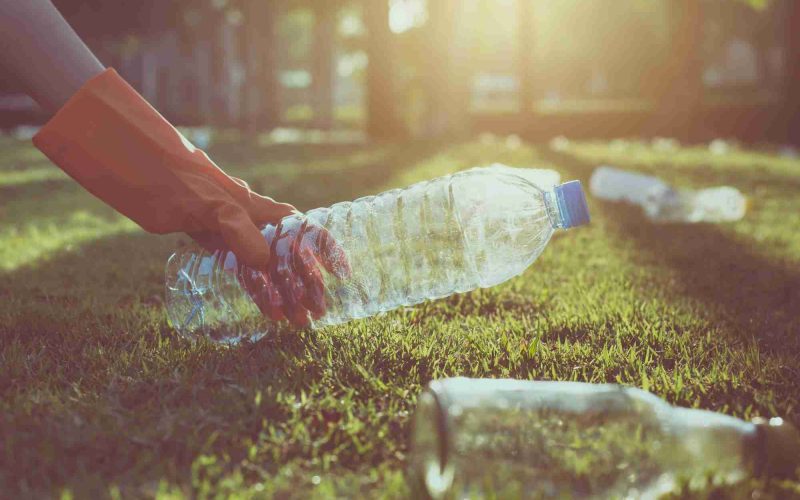
In 2024, the Netherlands achieved a record recycling rate of 88% for packaging. Find out what this means for producers, the PPWR legislation and your EPR contribution.
The Netherlands ranks among the very best in Europe when it comes to recycling. In 2024, no less than 88 per cent of all packaging placed on the market was recycled or reused. This puts the Netherlands well above both national and European targets.
This strong growth is not only good news for the environment, but also has direct implications for manufacturers, brand owners and packaging suppliers. In this article, you can read about what lies behind these figures, how the Netherlands compares with the rest of Europe, and what this means in the context of the PPWR, EPR and future legislation.
88% recycling in the Netherlands: what does this figure mean?
According to figures from Verpact, the organisation responsible for packaging recycling in the Netherlands, 88 per cent of all packaging was recycled or reused in 2024. To put this into perspective: this percentage is:
- Well above the standard: It exceeds the Dutch statutory targets.
- Above the EU requirement: It is considerably higher than the European recycling target of 65 per cent.
- At the top in Europe: It is higher than in many other EU Member States.
It is important to note that this figure includes both recycling and reuse. It is precisely this combination that sets the Dutch system apart within Europe. View the official figures here.
Why is recycling growing so strongly in the Netherlands?
The upward trend in the figures is no coincidence, but the result of specific measures and partnerships:
1. Well-organised supply chain collaboration
In the Netherlands, producers, local authorities, waste collectors and recyclers work closely together. Centralised coordination and clear agreements ensure that packaging waste is collected and processed more efficiently.
2. Deposit-refund schemes
The extension of the deposit scheme to plastic bottles and tins is having an impact. It has led to higher collection rates and, crucially for recycling, cleaner material streams. This makes high-quality reuse easier.
3. Investments in technology
Modern sorting facilities and advanced post-sorting techniques ensure that more material is actually made suitable for reuse as a raw material.
The Netherlands versus Europe
With a recycling and reuse rate of 88 per cent, the Netherlands is a leading nation. By way of comparison: whilst the European target stands at 65 per cent, many countries are still struggling with the basics of separate collection. The Netherlands combines high collection rates with relatively high-quality recycling. This makes our country a model market, but also a frontrunner where the bar is constantly being raised.
Please note: The high overall rate masks differences between materials. Glass, paper, cardboard and metals score very highly. Plastic packaging, however, remains the biggest challenge.
What does this mean for manufacturers and brand owners?
The Netherlands’ leading position has implications for your business operations.
1. Legislation is becoming stricter
The high recycling figures are driving stricter legislation, such as the Packaging and Packaging Waste Regulation (PPWR), which requires greater digital transparency. Manufacturers are increasingly required to demonstrate that their packaging is not only theoretically recyclable, but is actually being recycled.
2. Costs and EPR contributions
Packaging that is difficult to recycle leads to: higher EPR contributions, greater administrative burdens (although digitalisation can help here), and greater compliance risks.
3. Competitive advantage
Companies that proactively focus on recyclability strengthen their sustainability credentials and build trust with retailers and consumers. This also makes it easier to comply with future legislation.
The next step: from recycling to circularity
Although 88% is an impressive figure, recycling is not the ultimate goal. The focus is shifting increasingly towards circularity:
- High-quality recycling (closed loop).
- Re-use systems.
- Reducing material use.
- The use of recycled material (PCR) in new packaging.
This ties in seamlessly with the European ambition to be fully circular by 2050.
Conclusion
The strong growth in recycling shows that the Dutch system works. Anyone who commits now to recyclable packaging, smart material choices and the right partners is ready for the future of circular packaging.
Would you like to know how your packaging measures up?
Would you like to understand how your packaging contributes to recycling and what this means for legislation and your costs?
Visit Nederlandverpakt.nl to get in touch with specialist suppliers who can help you with future-proof packaging solutions.
Lees verder
Gerelateerde berichten
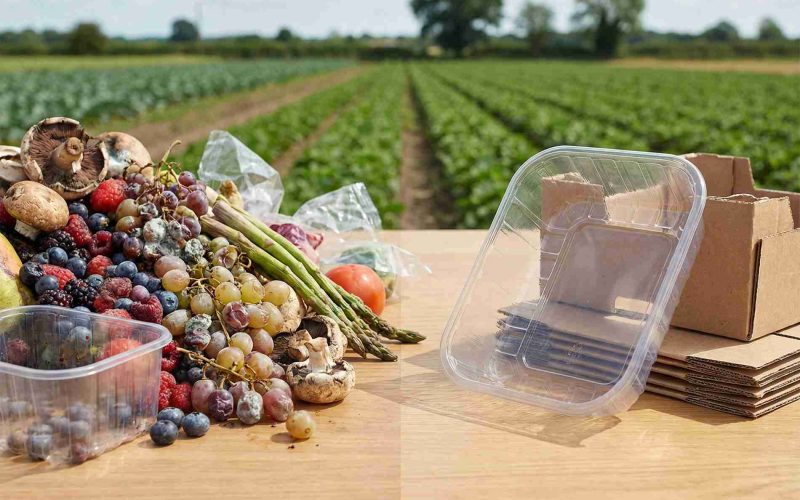
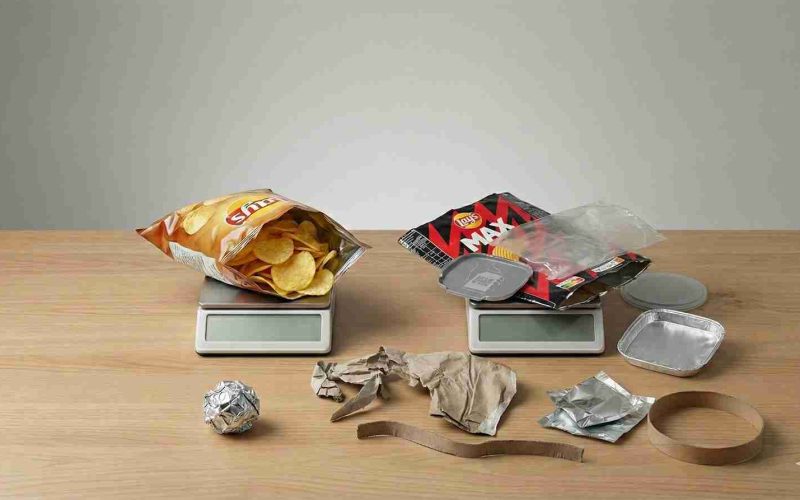
The SnackBox: Sustainable innovation or a clever marketing ploy?
Is the new cardboard SnackBox really better for the environment? An analysis of its weight, materials and price increase (shrinkflation) reveals some striking figures.
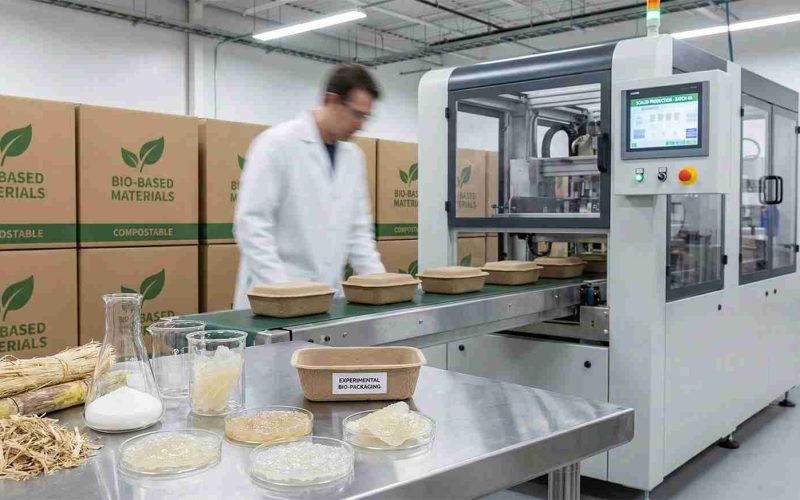
Innovative biomaterials: from experimentation to upscaling
Biomaterials in packaging are making the transition from a niche market to large-scale production. Discover the trends, opportunities and challenges for manufacturers and brands.