
Innovative biomaterials: from experimentation to upscaling
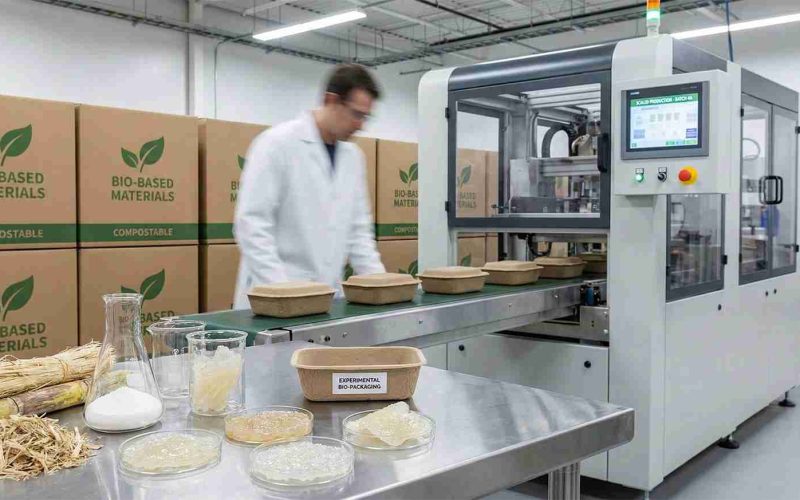
Biomaterials in packaging are making the transition from a niche market to large-scale production. Discover the trends, opportunities and challenges for manufacturers and brands.
Biomaterials in packaging have seen significant development in recent years. Whilst these sustainable alternatives were initially the preserve of niche brands, we are now seeing a shift towards major players such as Nestlé, IKEA and Albert Heijn. In this article, you’ll discover why bio-materials are now making the transition from experimentation to industrial-scale production.
What exactly are biomaterials in packaging?
Biomaterials are packaging materials that are partly or entirely made from renewable raw materials. This is a broad spectrum that includes, amongst other things:
- Sugar cane and cellulose fibres
- Starch (such as maize or potato)
- Algae and agricultural by-products
It is important to note that there are significant differences within this group. Some materials are bio-based but not biodegradable, whilst others are specifically designed to be composted or, conversely, recycled within existing systems. This diversity presents opportunities, but also makes the choice of material complex.
3 Drivers: Why biomaterials are now gaining traction
The transition from the pilot phase to large-scale application is driven by three key factors:
1. Legislation as a catalyst (PPWR)
New regulations, such as the Packaging and Packaging Waste Regulation (PPWR), are forcing companies to reduce their reliance on fossil-based plastics. Biomaterials offer a strategic solution here to reduce the carbon footprint and stay ahead of future legislation.
2. Pressure from retailers and consumers
Retailers are tightening their sustainability requirements, and consumers expect visible, tangible steps towards a better environment. Biomaterials directly support that sustainability narrative on the shop shelf.
3. Technological progress
In the past, biomaterials were limited in terms of strength or shelf life. Today, we are seeing huge improvements in barrier properties, machine runnability and quality consistency.
From niche to industrial-scale production
The tipping point has been reached: biomaterials are increasingly becoming suitable for industrial use. Major FMCG companies are moving away from small-scale trials and are demanding solutions that are available in large volumes and fit their existing production lines.
Furthermore, standardisation builds trust. Materials are now supplied with clear specifications and certifications (such as OK Compost or bio-based content), which is essential for product claims and compliance with legislation.
Challenges in scaling up
Despite this growth, manufacturers must take a number of critical factors into account:
- Cost: Biomaterials often remain more expensive than conventional plastics, although scaling up reduces this difference.
- End-of-life (recycling vs. composting): Not every biomaterial fits into current recycling streams. The choice between recyclability and compostability must be carefully weighed up.
- Supply security: Scaling up requires stable raw material supplies, something that is not yet a given for every new type of material.
What does this mean for manufacturers?
Biomaterials are not a ‘one-size-fits-all’ solution. As a manufacturer, you must make strategic choices based on your specific product characteristics, the Total Cost of Ownership (TCO) and your market position.
Successful implementation requires collaboration across the supply chain. Material developers, machinery manufacturers and brand owners must work closely together to ensure the transition is a success. Those who gain experience now will build up the knowledge that is essential to meet the stricter requirements of 2030 and 2040.
Find the right partner via Nederland Verpakt
The range of innovative materials is growing rapidly, which can make it difficult to keep track of everything. Through Nederland Verpakt, you can easily:
- Find suppliers of innovative biomaterials.
- Compare different sustainable solutions.
- Get in direct contact with organisations that have experience with upscaling.
Conclusion
Biomaterials have moved beyond the experimental phase. Thanks to technological advances and changing legislation, they are making the definitive transition from a niche market to large-scale production. For manufacturers, this presents an opportunity to position themselves for the future of circular packaging, provided that decisions are made carefully and with a systems-based approach.
Want to get started with biomaterials?
Would you like to know which materials are suitable for your product, machinery and sustainability goals?
Visit Nederland Verpakt and find specialist suppliers to meet your packaging needs.
Lees verder
Gerelateerde berichten
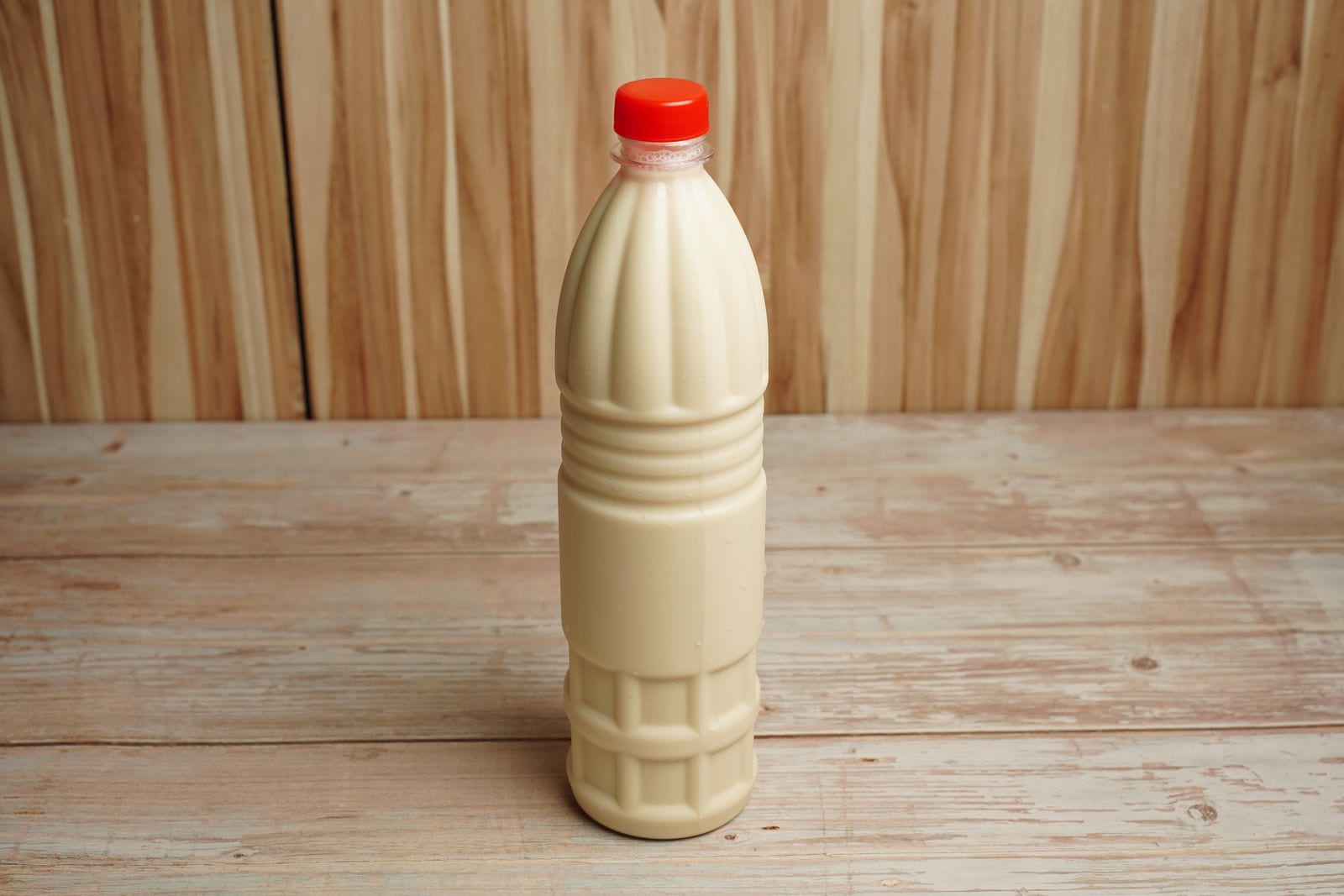
Verpact is preparing to introduce a deposit scheme for plastic juice and dairy bottles
Verpact, the organisation of drinks producers that operates the Dutch deposit-refund scheme, announced on 22 November that it intends to introduce a deposit on plastic juice and dairy bottles in stages from 2027. In doing so, the Netherlands aims to meet the statutory target of collecting 90 per cent of plastic drinks bottles.
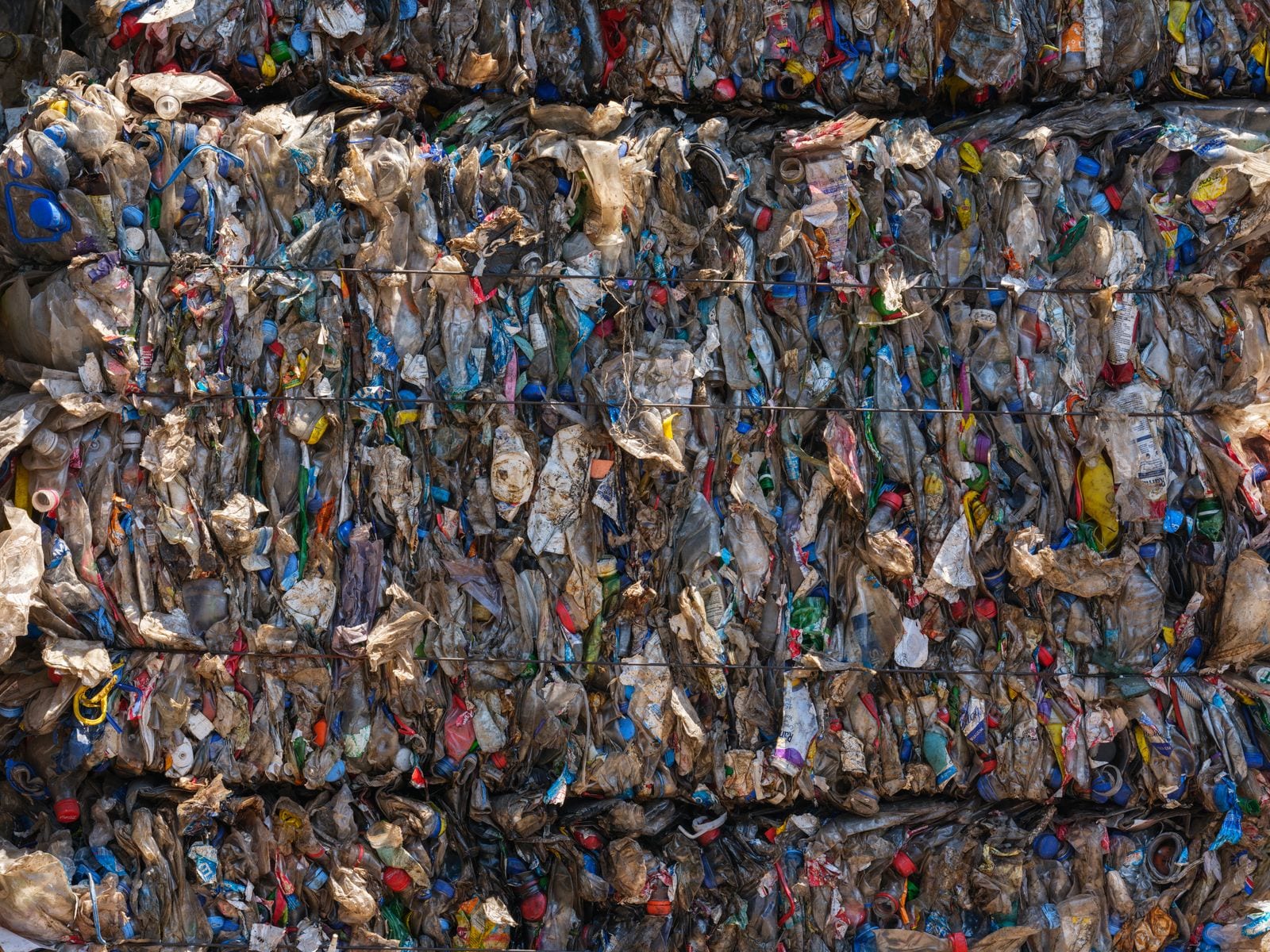
Recycling plant in Lommel can process 40,000 tonnes of plastic a year
Morssinkhof-Rymoplast, a European plastics recycling group, opened a €30 million plant in Lommel on 30 October to process plastic packaging from the Belgian PMD bag (the collection bag for plastic, metal and drink cartons). This marks the completion of the Belgian organisation Fost Plus’s plan for six new recycling plants, but there are not yet enough buyers for the recycled plastic.
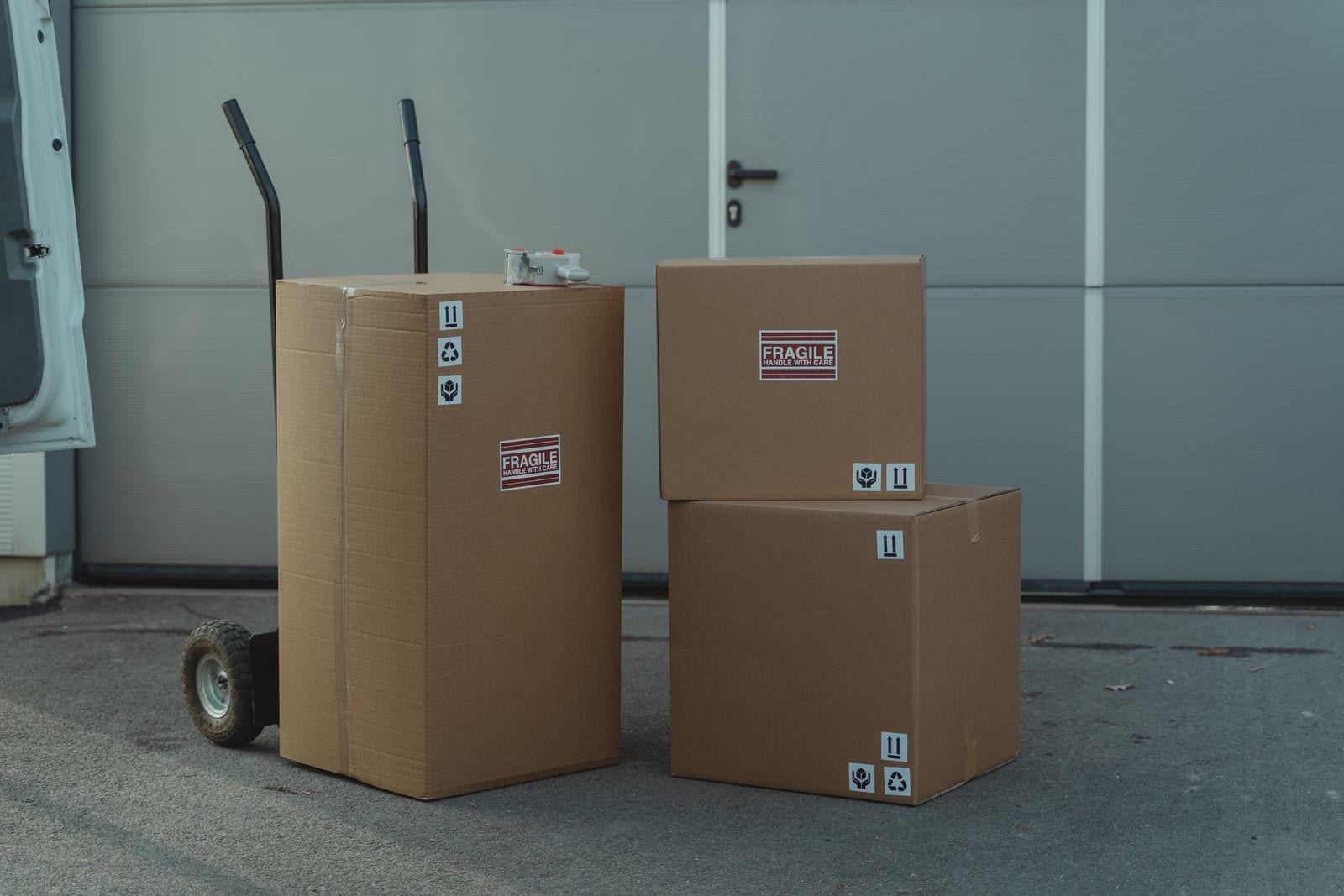
Reusable shipping bag: 80 per cent were returned in a Belgian pilot scheme
Fost Plus, the organisation responsible for the collection and recycling of household packaging in Belgium, announced the results of the EVERPAX pilot on 2 November. From February to August 2026, eight partners tested a reusable returnable delivery bag: the system worked in practice, but is not yet cost-effective.