
This is how the packaging sector is preparing for the PPWR
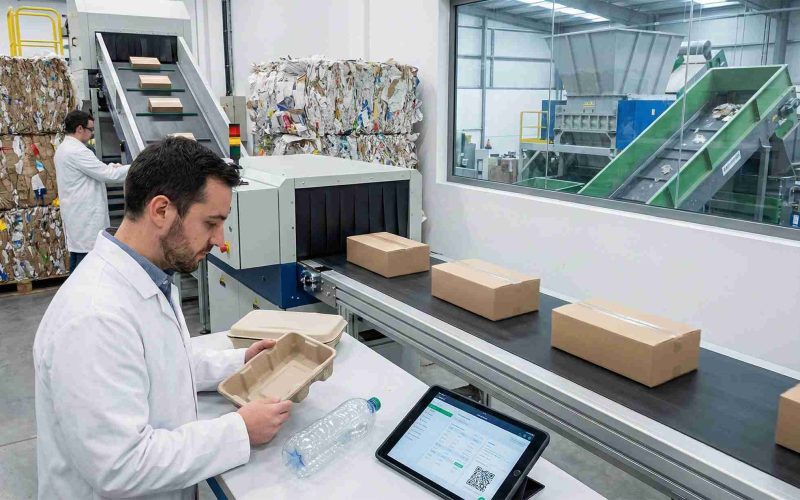
European PPWR Regulation forces action across the supply chain
The European Packaging and Packaging Waste Regulation (PPWR) is nearing its final implementation and will radically transform the packaging industry. This regulation replaces the current directive and sets ambitious, binding targets for all EU Member States. The aim is clear: to significantly reduce the amount of packaging waste and accelerate the transition to a circular economy. For companies in the packaging supply chain, it is essential not to wait and see, but to make strategic choices now.Key figures: the new reduction and recycling targets
The PPWR introduces strict, quantitative targets that affect the entire sector. The focus is on prevention and high-quality recycling.- Waste reduction: Compared with 2018, the amount of packaging waste per Member State must be reduced by 5% by 2030, 10% by 2035 and 15% by 2040.
- Design for Recycling: From 2030, 95 per cent of all packaging placed on the market must be demonstrably recyclable. By 2035, this figure will rise to 100 per cent. This has direct implications for material choices, combinations of materials and the use of inks and additives.
- Minimisation: Packaging must be reduced to what is strictly necessary for its function, putting an end to unnecessary air gaps or double walls.
Focus on recycled content and prohibited substances
Another key element of the PPWR is the obligation to use recycled material, particularly in plastic packaging. Specific minimum percentages for post-consumer recycled content (PCR) are being set for various product categories. This stimulates demand for high-quality recycled material and requires investment in sorting and recycling infrastructure. At the same time, so-called ‘substances of concern’ are being restricted in order to make recycling streams cleaner and to guarantee food safety. Companies must accurately map out the chemical composition of their materials. The mandatory use of recycled material has a major impact on the supply chain. The availability and quality of PCR granulate are becoming critical factors. Collaboration between packaging manufacturers, recyclers and brand owners is crucial to guaranteeing a stable supply.Digital transparency: the introduction of the product passport
To monitor compliance with all regulations and promote transparency throughout the supply chain, the Digital Product Passport (DPP) is expected to become mandatory around 2030. This passport, often linked via a QR code or other data carrier, contains detailed information about the packaging: from material composition and origin to recycling instructions. Collecting and managing this data will become a new, crucial business task. It requires a structured approach to data collection, not only internally but also amongst suppliers.Practical steps for your organisation
Although the final text has yet to be finalised, the main points of the PPWR are clear. Organisations can already take proactive action:- Analyse your portfolio: Identify which of your current packaging products are at risk under the new legislation. Focus on recyclability, material use and unnecessary volume.
- Start collecting data: Begin gathering detailed information about your packaging in preparation for the DPP. Do you know exactly which polymers, additives and inks are used?
- Optimise for recycling: Evaluate your packaging designs against the ‘Design for Recycling’ guidelines. Organisations such as the Knowledge Institute for Sustainable Packaging (KIDV) offer tools and expertise for this.
- Engage with supply chain partners: Communicate with your material and machinery suppliers about the upcoming requirements. Discuss opportunities for innovation and the availability of recycled materials.
Lees verder
Gerelateerde berichten
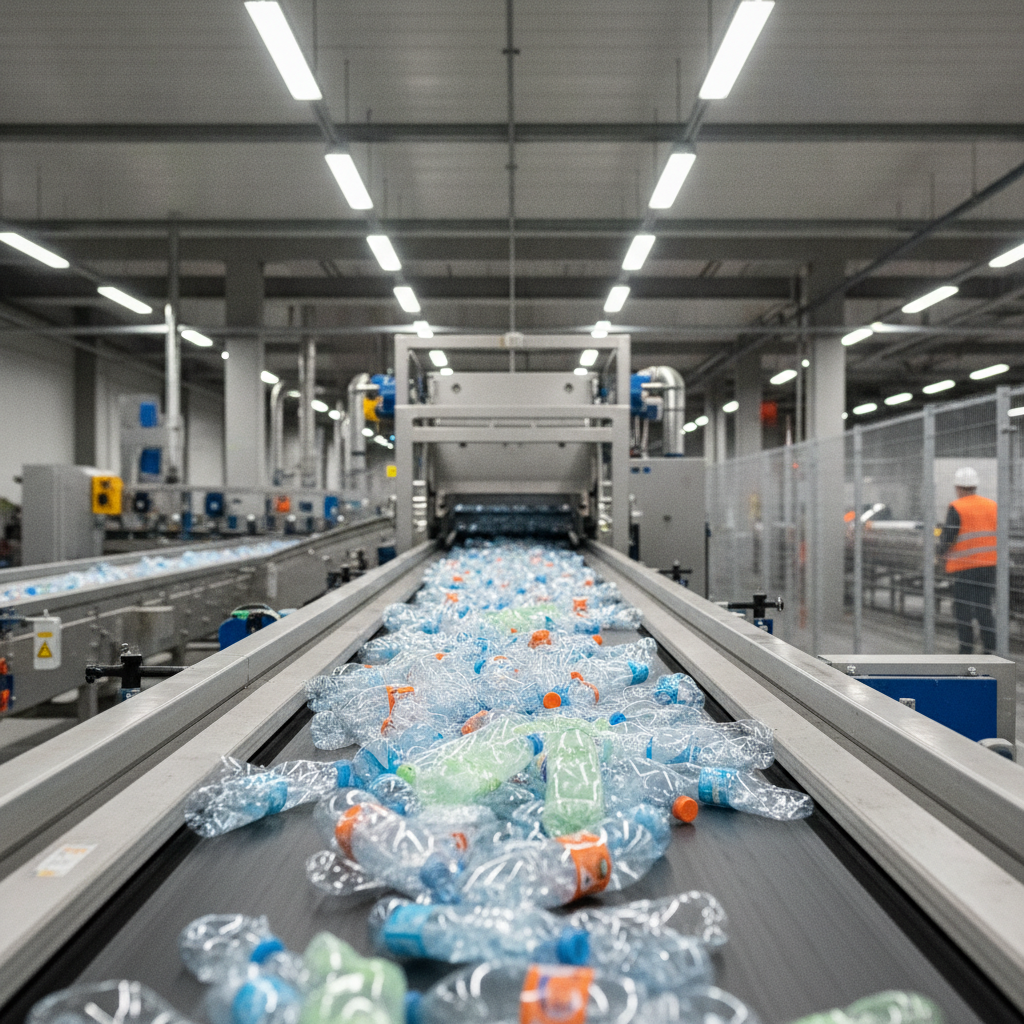
2027 price ranges for materials and deposit rates announced
Verpact has published the ranges for material charges and producer contributions within the deposit-refund scheme for 2027. For packaging producers and brand owners, these figures are key to their cost calculations and budget planning. These frameworks stem from the broader European PPWR regulations.
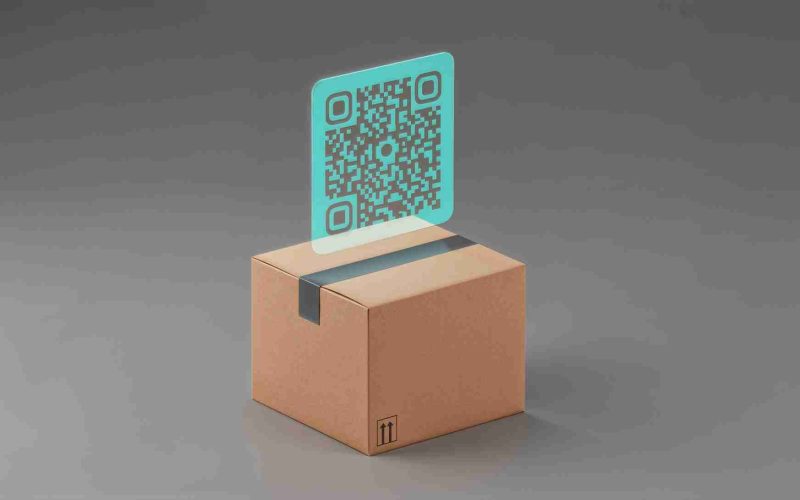
Digital Link & the Environmental Omnibus Package (COM(2025) 980)
Digital Link and EU legislation are changing packaging. Find out what PPWR and digitalisation mean for manufacturers in the Netherlands and Belgium.
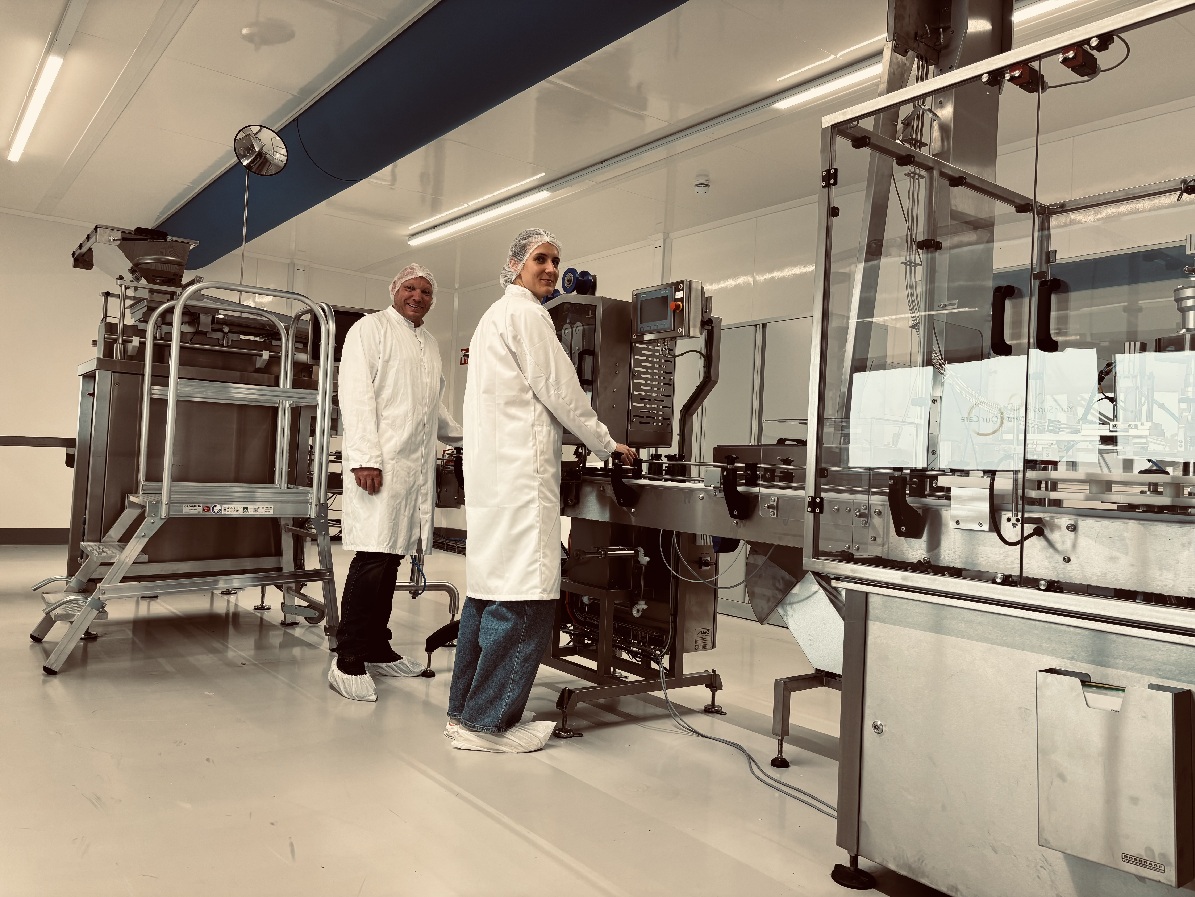
PPWR in practice: Microz on packaging choices for food supplements
The PPWR has been in force in all EU Member States since 12 August 2026. For brands of food supplements, this raises specific questions: about materials, about recyclability and about who the actual manufacturer of the packaging is. Mareno Lubkemann from Microz explains how brand owners, manufacturers and packaging suppliers can work this out together.