
PPWR in practice: Microz on packaging choices for food supplements
Contract manufacturer Microz on the choice of materials, documentation and division of responsibilities now that the PPWR is in force
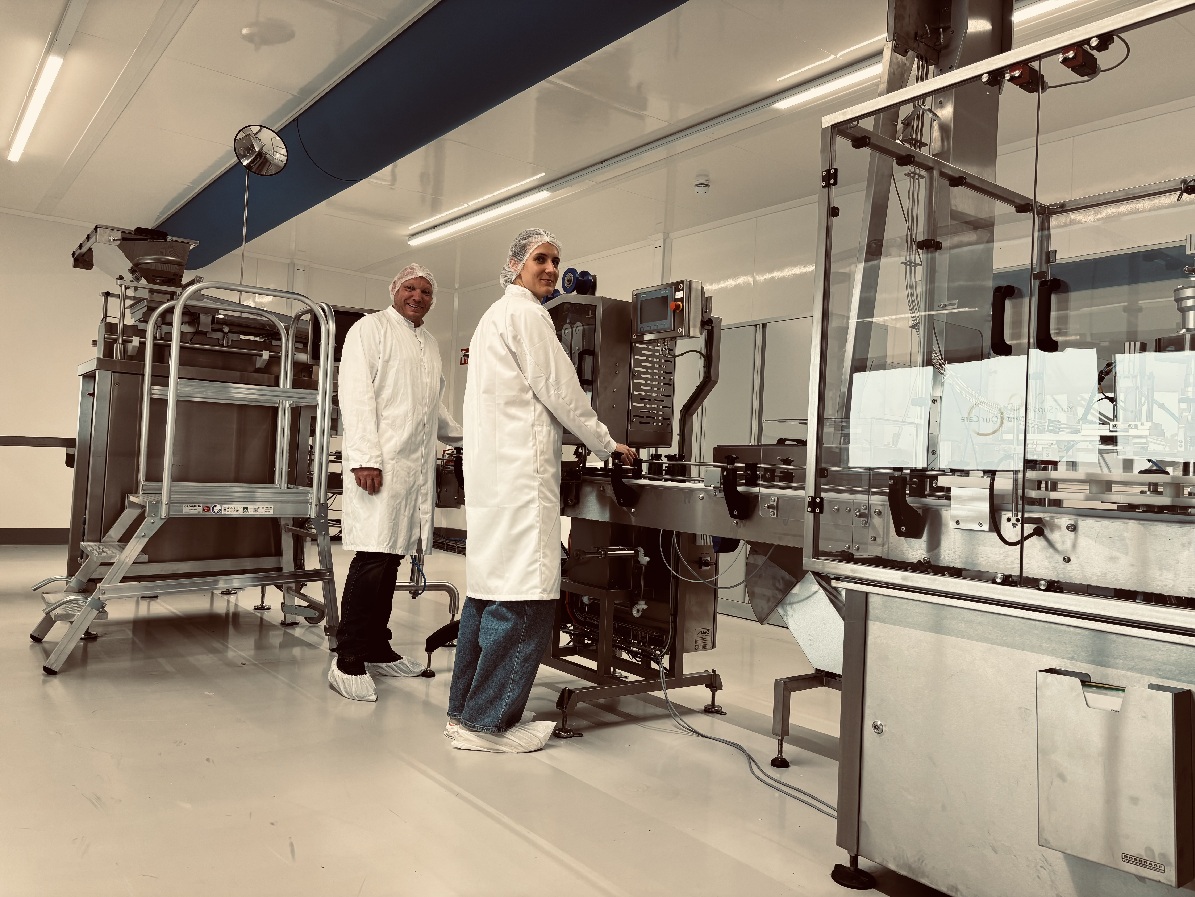
The PPWR has been in force in all EU Member States since 12 August 2026. For brands of food supplements, this raises specific questions: about materials, about recyclability and about who the actual manufacturer of the packaging is. Mareno Lubkemann from Microz explains how brand owners, manufacturers and packaging suppliers can work this out together.
The Packaging and Packaging Waste Regulation (PPWR) has been in force since 12 August 2026. This European regulation applies directly in all Member States and sets out requirements regarding, amongst other things, recyclability, use of materials and the reduction of packaging waste. There is no transition period for new production.
But what does this mean if, as a brand owner, you have food supplements manufactured and packaged? At Microz, a contract manufacturer of food supplements for various brands, these questions are now coming up regularly.
“We’ve noticed that since August, customers have been asking more specific questions about this than before,” says Mareno Lubkemann of Microz. “Previously, the focus was on the general direction; now it’s on the evidence.”
From regulations to practical questions
Customers are asking Microz questions about the materials used, the recyclability of packaging, the proportion of recycled material and the available alternatives. That sounds simple, but there are many choices behind a piece of packaging. A jar, cap, sachet or blister pack must comply with legislation and sustainability targets, but must also be suitable for the product. For food supplements, protection against moisture or oxygen is important, and the packaging must be technically compatible with the production line and continue to function until the end of the shelf life.
“An alternative using less material is not automatically a better solution,” says Lubkemann. “It looks right on paper, but then it turns out to be different on the production line or at the end of the shelf life.”
This raises a question that was rarely asked before: who is the packaging manufacturer in this supply chain? According to the European Commission, it is the party with decisive control over the design and specifications. That answer may vary depending on the type of packaging, meaning that the division of roles cannot be defined once and for all across an entire product range.
Working together to find a suitable solution
When a packaging issue arises, Microz works with the customer and their packaging suppliers to explore the options: a different material, smaller packaging, available documentation, and the implications for product protection and the production process. There isn’t a ready-made answer to every question, as suppliers are also continuing to align their information more closely with the PPWR.
“We act as an intermediary between the brand owner and the packaging supplier,” says Lubkemann. “The information required is held by all three parties.”
As far as Microz is concerned, this collaboration should ideally begin as early as possible. When developing a new supplement, a great deal of attention is paid to composition, quality and appearance; the packaging deserves an equally conscious choice. Even for existing products, changes in legislation may provide a reason to take a fresh look.
The obligations that already apply mainly revolve around substantiation: technical documentation, traceability back to the manufacturer, limit values for PFAS in food contact materials, and conditions for environmental claims. The requirements necessitating redesign will come into force in 2030. This does not mean that every piece of packaging must be replaced tomorrow, but it does mean that gaining a timely understanding of materials, documentation and alternatives is important.
Microz does not claim to have the definitive solution for every PPWR requirement, but brings together expertise from production practice, quality assurance and its supplier network. After all, you cannot develop future-proof packaging on your own.
Are you also involved in the packaging of your food supplements? Explore the options Microz has to offer.
Would you like to know which PPWR obligations apply to your situation? Take the PPWR Check.
This article is for information purposes only and does not constitute legal advice.
Lees verder
Gerelateerde berichten
Smaller packaging is driving growth in co-packing
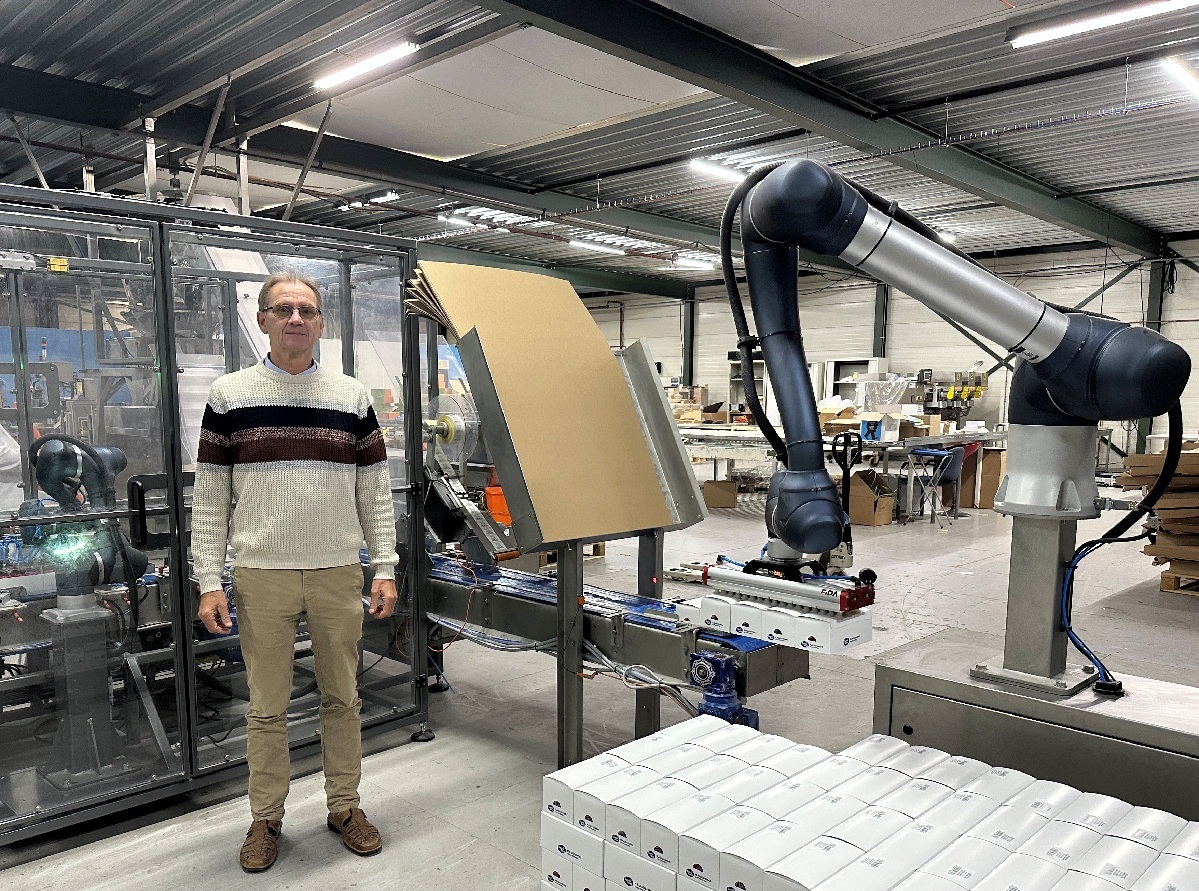
An increase in single-person households, tighter budgets and the growing popularity of own-brand products are driving up demand for smaller pack sizes. Henk van Geest of Multipackers explains why even large manufacturers are outsourcing their packaging work, and how his company is meeting that growth with automated packing lines and cobots.
Why the biggest profit often isn’t to be found in a machine
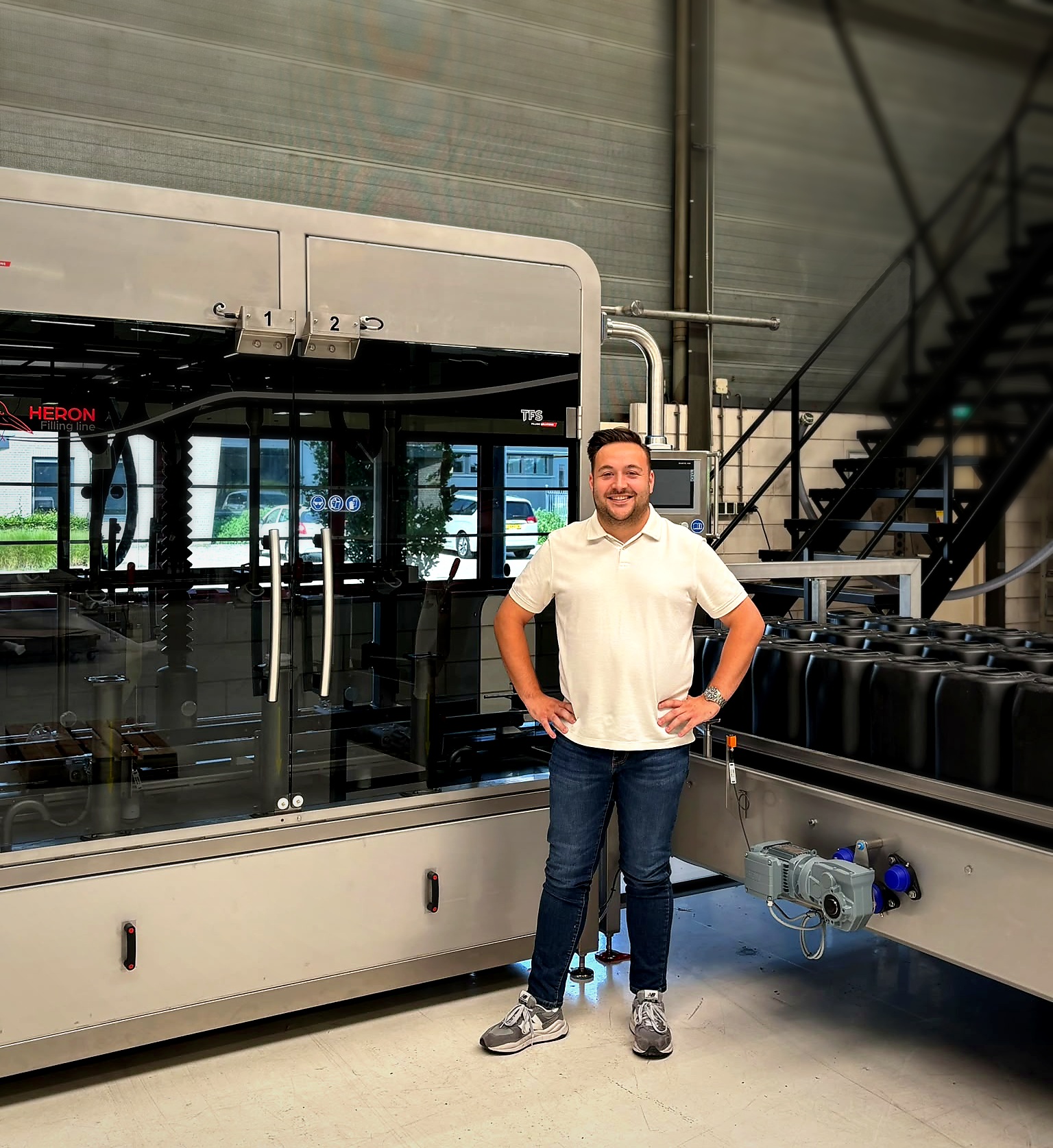
The greatest gains in production are rarely to be found in a single machine, but in the connections between them. This is why companies are increasingly looking at the process as a whole rather than at individual pieces of equipment.
Customised dosing and filling solutions
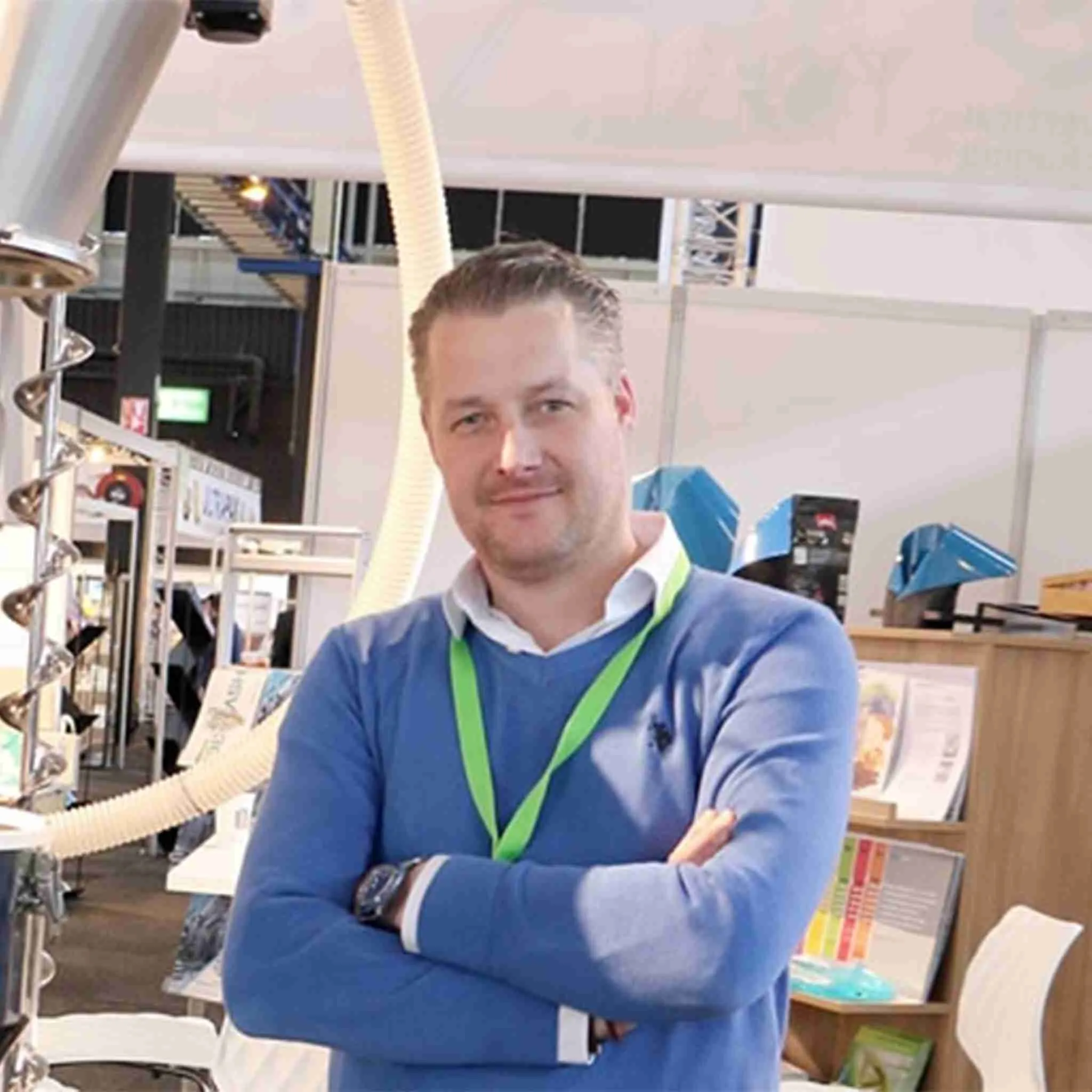
Off-the-shelf machines sometimes fall short when it comes to dosing and filling. Spimabo Machinebouw has been building bespoke solutions for the food, pharmaceutical and chemical industries since 1994.