
Coca-Cola, Nestlé and Danone are amending their recycling claims on bottles
The percentage of recycled plastic will soon apply only to the bottle, not to the cap or label.
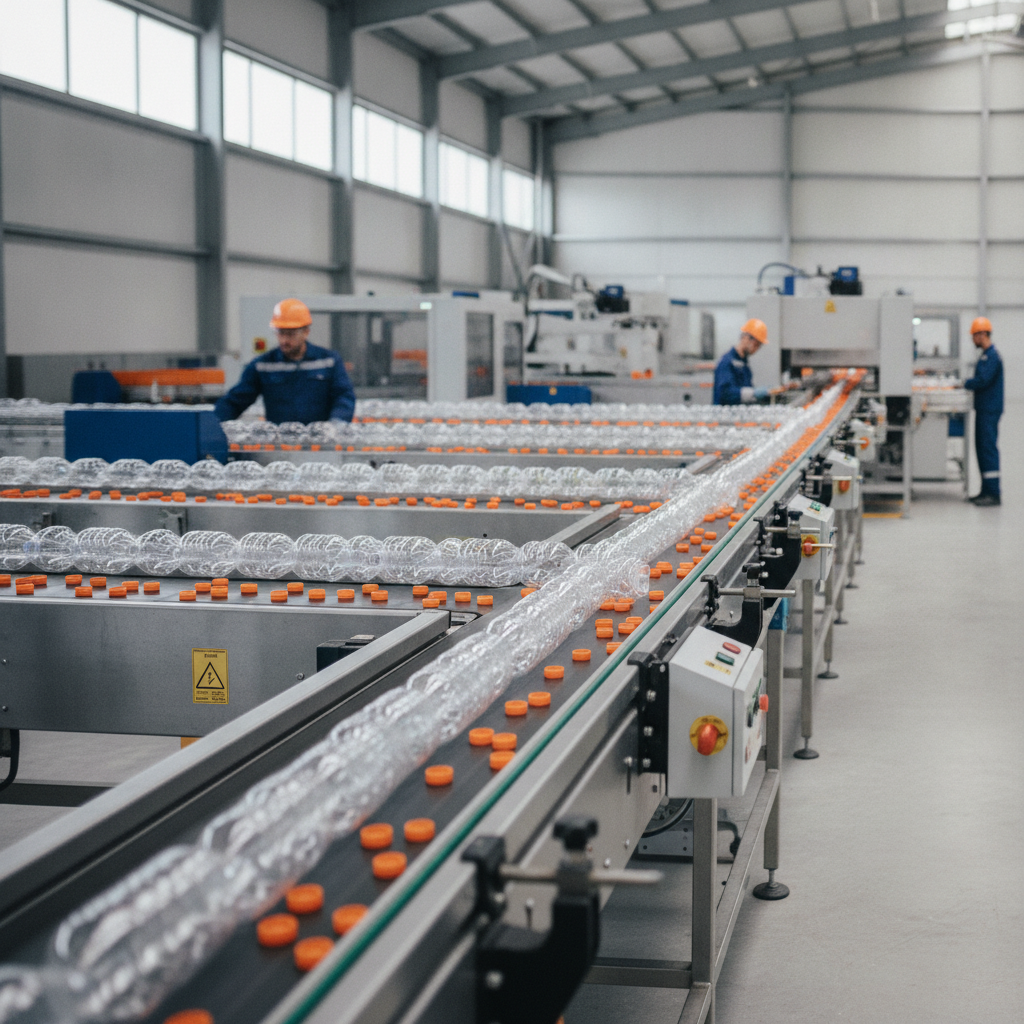
The European Commission announced the commitments on 22 October. They follow a complaint lodged in November 2023 by the European consumer organisation BEUC regarding the claims made by the three bottlers.
The companies made the commitments following consultations with the Commission and the network of national consumer authorities (CPC). These consultations were led by the Swedish Consumer Agency and the Hungarian Competition Authority.
What’s changing on the bottle
According to the press release, a claim such as “I am a bottle made from 100% recycled plastic” will become “This bottle is 100% recycled. Excluding cap and label”. The slogan “Recycle me again” will also be removed from the label and replaced with “Recycle me”. According to the Commission, the old slogan gave the impression that the bottle had already been recycled once and would soon be turned into a new bottle.
Furthermore, the overall presentation of the label and marketing must not mislead consumers about the environmental benefits of plastic bottles, for example through the use of green symbols. Digital campaigns on websites and social media must follow the same guidelines.
What this means for buyers and suppliers
This is not a new law. The Commission and the national authorities consider that the amended claims comply with European consumer law. The authorities will monitor compliance and can take enforcement action if a company fails to honour its commitment. The Commission may also engage in dialogue with industry organisations representing bottlers to ensure that all bottlers in the EU adhere to the same rules.
Anyone purchasing plastic bottles would be well advised to check exactly what the percentage of recycled material refers to. This also applies to caps and labels, as these are excluded from the percentage under the new wording. Suppliers of these components can expect brand owners to ask more frequently what proportion of the packaging consists of which material.
According to the trade journal *Kunststof & Rubber*, adjustments to labels may take up to 18 months. The old claims may therefore still appear on existing packaging in shops for some time. According to the Commission, Coca-Cola and Nestlé have already implemented some of the changes, particularly in digital campaigns.
Background
According to *Kunststof & Rubber*, consultations with Coca-Cola were concluded in June 2025, those with Nestlé Waters in February 2026 and those with Danone in October 2026. According to the Commission, companies must comply with the Unfair Commercial Practices Directive when making environmental claims. The ‘Empowering Consumers for the Green Transition’ directive tightens the rules against greenwashing.
Are you looking for a supplier of bottles, caps or labels? Submitting an enquiry to Nederland Verpakt is free of charge and involves no commission.
Sources
Lees verder
Gerelateerde berichten
Recycling plant in Lommel can process 40,000 tonnes of plastic a year
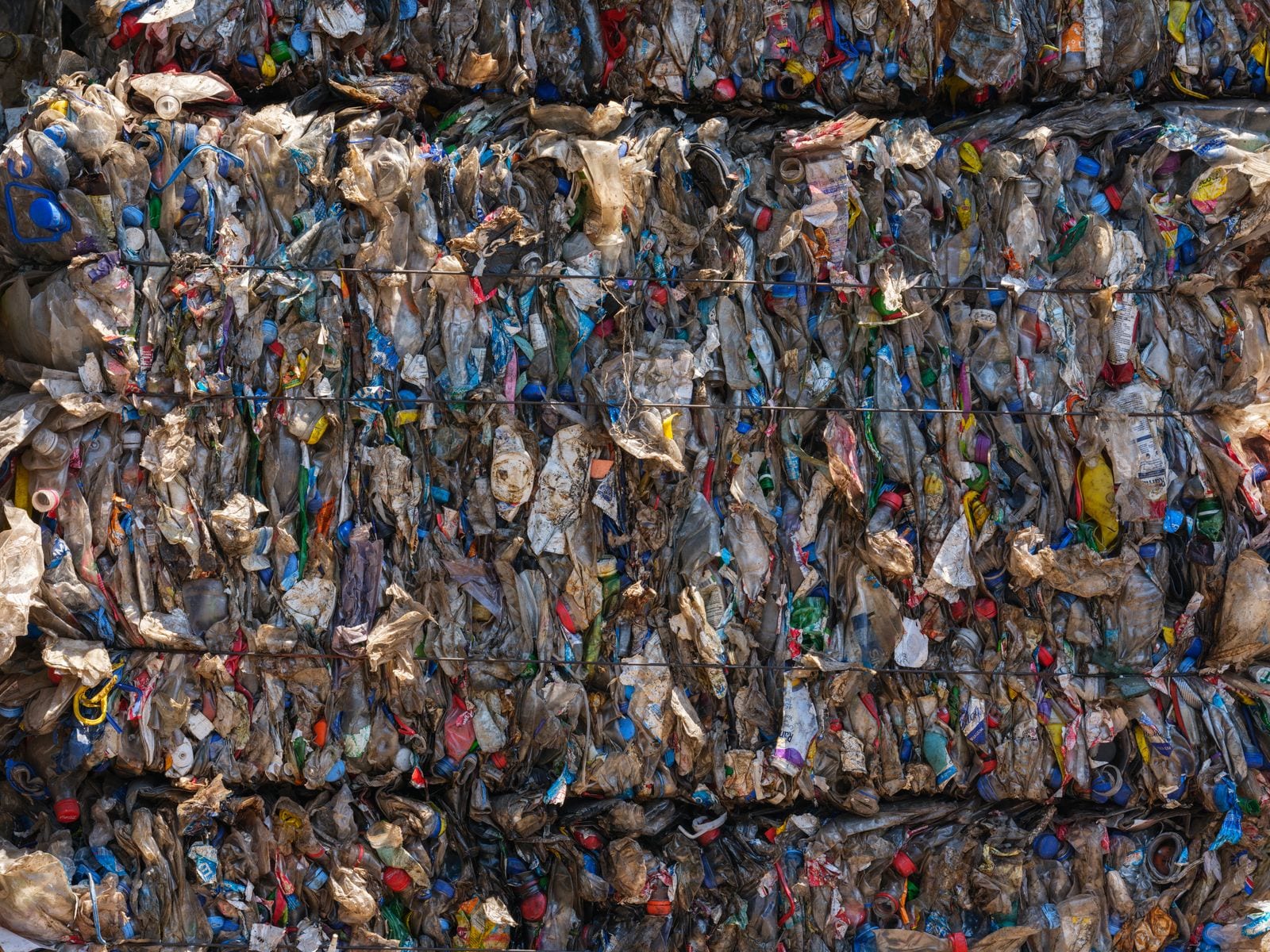
Morssinkhof-Rymoplast, a European plastics recycling group, opened a €30 million plant in Lommel on 30 October to process plastic packaging from the Belgian PMD bag (the collection bag for plastic, metal and drink cartons). This marks the completion of the Belgian organisation Fost Plus’s plan for six new recycling plants, but there are not yet enough buyers for the recycled plastic.
Reusable shipping bag: 80 per cent were returned in a Belgian pilot scheme
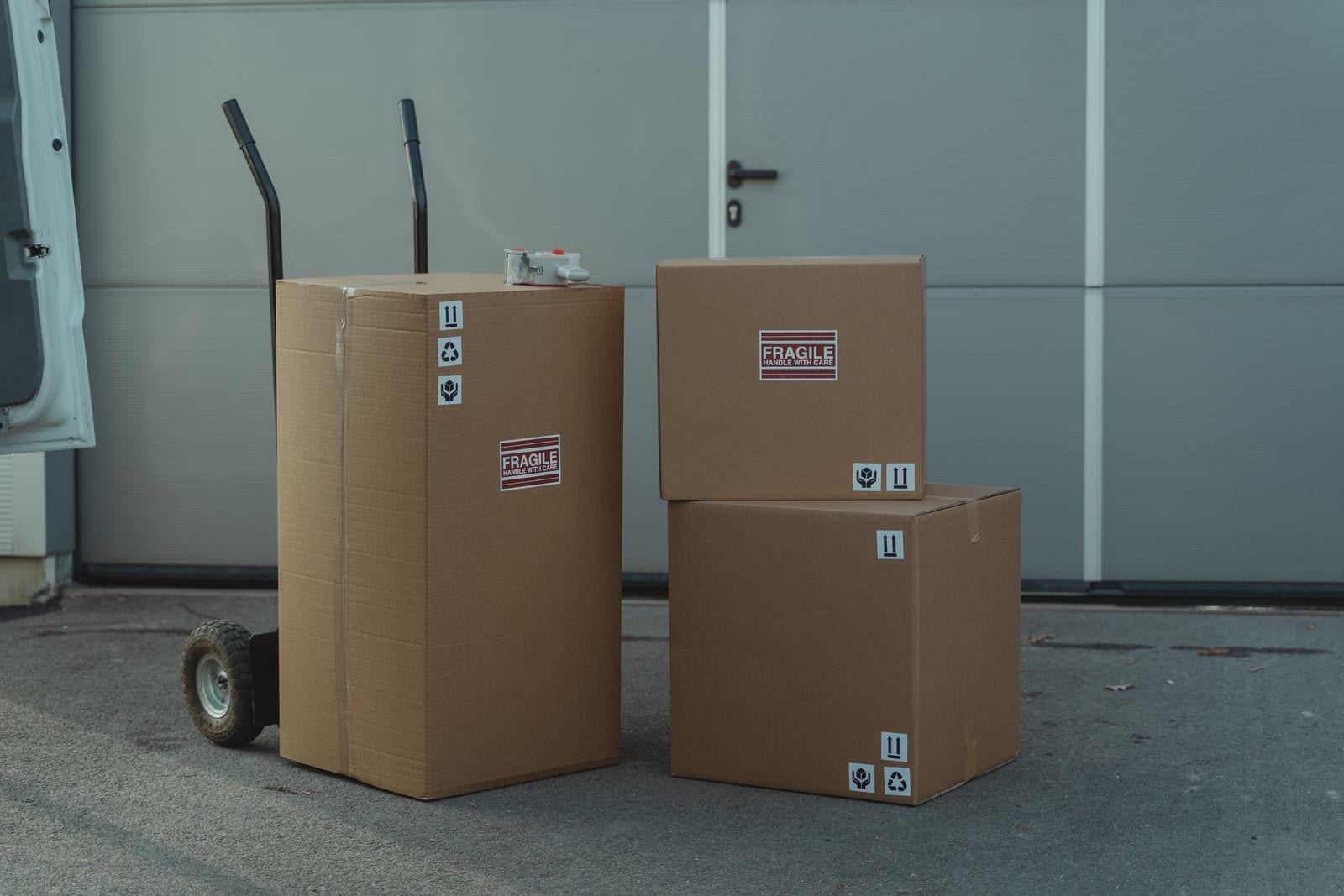
Fost Plus, the organisation responsible for the collection and recycling of household packaging in Belgium, announced the results of the EVERPAX pilot on 2 November. From February to August 2026, eight partners tested a reusable returnable delivery bag: the system worked in practice, but is not yet cost-effective.
Belgium ranks second in the EU for the recycling of plastic packaging
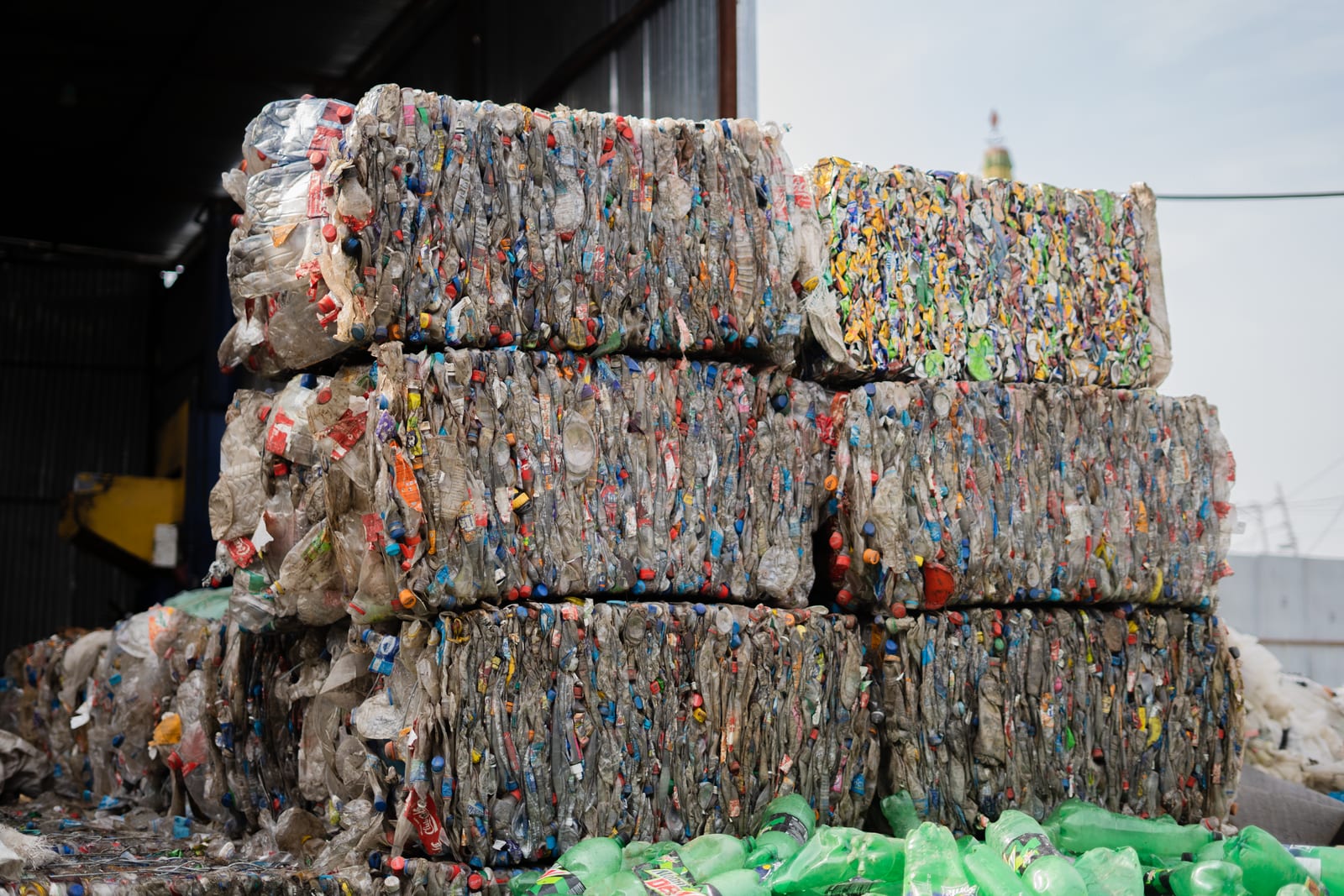
Fost Plus, the Belgian organisation responsible for the recycling of household packaging, reported on 27 October that, according to Eurostat, Belgium recycled 58.2 per cent of its plastic packaging waste in 2024. This figure also includes packaging from businesses. It therefore says more about Belgium as a whole than about how well households sort their waste.