
Recycling plant in Lommel can process 40,000 tonnes of plastic a year
Demand for recycled material still needs to keep pace with capacity.
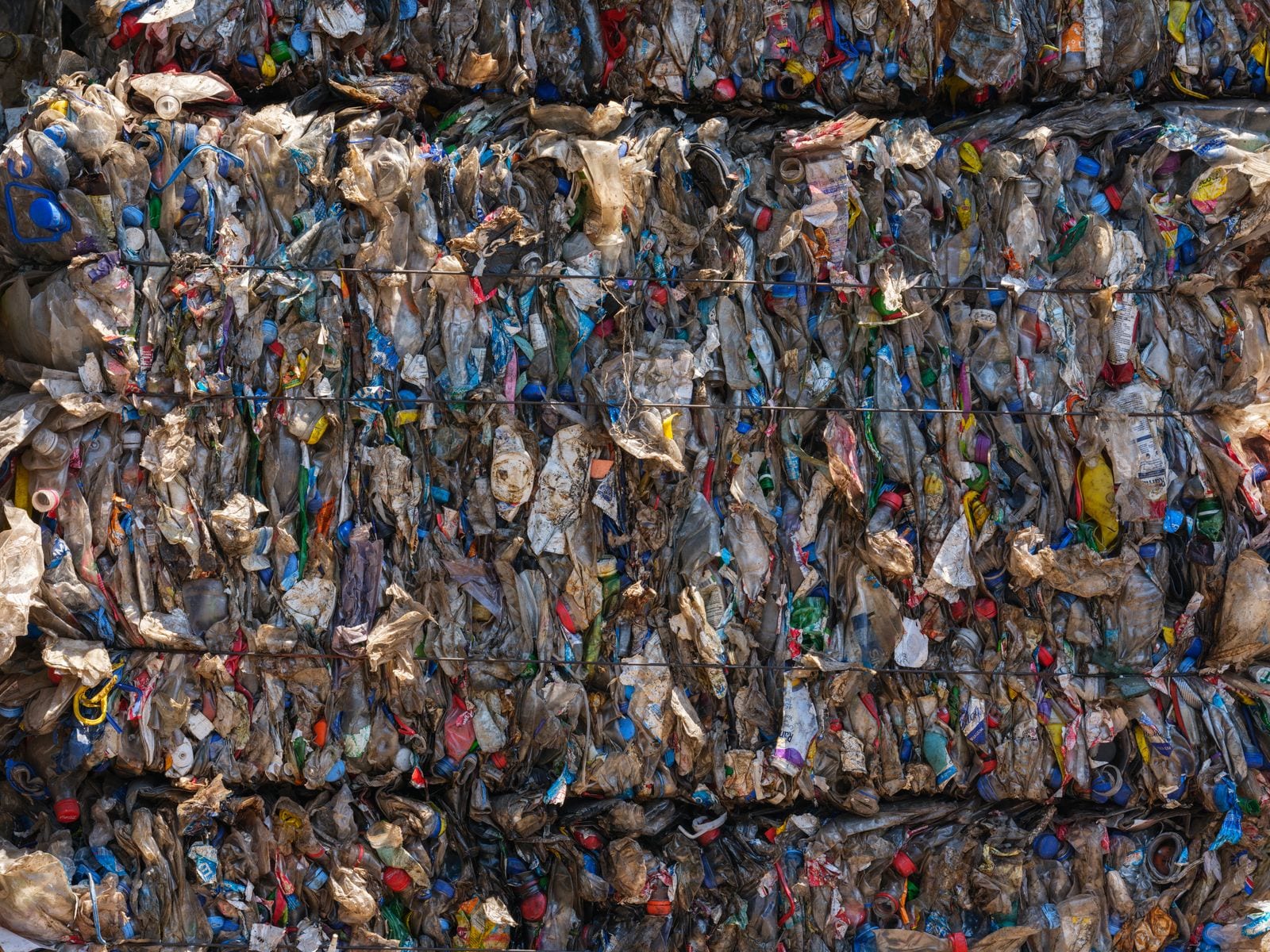
Morssinkhof-Rymoplast, a European plastics recycling group, opened a €30 million plant in Lommel on 30 October to process plastic packaging from the Belgian PMD bag (the collection bag for plastic, metal and drink cartons). This marks the completion of the Belgian organisation Fost Plus’s plan for six new recycling plants, but there are not yet enough buyers for the recycled plastic.
Everyone is familiar with the items that arrive in Lommel from the kitchen and bathroom: butter dishes, yoghurt pots, ready-meal trays and bottles of milk, shampoo and washing-up liquid. There are two types of plastic involved: PP (polypropylene) and HDPE (high-density polyethylene). The plant can recycle up to 40,000 tonnes of this annually, 24,000 tonnes of which come from the PMD bag. The plastic is sorted by type and colour, ground up and washed. What remains is pure plastic by colour, suitable for new packaging, including for personal care and household products.
Why six new plants were built
Fost Plus, the organisation responsible for the collection and recycling of household packaging in Belgium, wanted companies in Belgium to invest in recycling. To this end, it guarantees recycling companies a fixed quantity of plastic from the PMD bag for nine years. Thanks to this certainty, companies were encouraged to invest, and Lommel is the sixth new plant in a plan for six plants over six years. Currently, 51 per cent of recycled plastic in Belgium is processed, compared with 12 per cent in 2021.
Supply is there, but buyers are not yet
However, there is a bottleneck. There is no shortage of plastic to recycle, but there is a shortage of buyers for recyclate, the raw material produced from recycled plastic. According to Morssinkhof-Rymoplast, a family-run business that has been recycling plastic for three generations, the extra volume that the plant can handle is not yet economically viable. The company is calling for a level playing field with regard to new plastic made from fossil-based raw materials and imported recycled plastic.
Change may come from the European Packaging and Packaging Waste Regulation (PPWR), which applies in all EU countries. From 2030, packaging must contain a minimum percentage of recycled plastic. According to Fost Plus, this minimum rises to 35 per cent for plastic from the PMD bag. Manufacturers will therefore need more recycled plastic. Buyers of plastic bottles and jars can check with their suppliers how much recycled plastic they are already using and what the PPWR requirements mean for their packaging.
Sources
Lees verder
Gerelateerde berichten
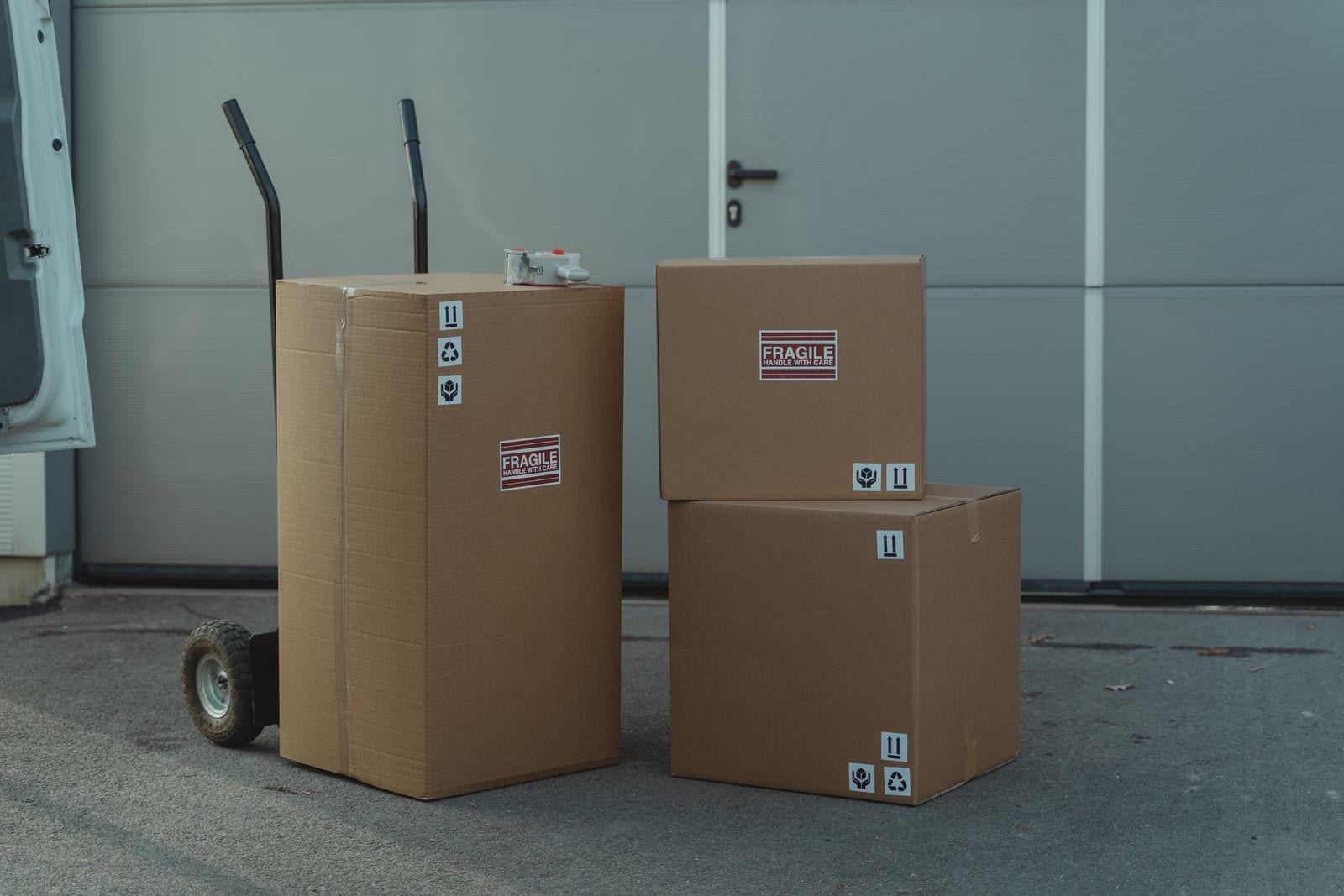
Reusable shipping bag: 80 per cent were returned in a Belgian pilot scheme
Fost Plus, the organisation responsible for the collection and recycling of household packaging in Belgium, announced the results of the EVERPAX pilot on 2 November. From February to August 2026, eight partners tested a reusable returnable delivery bag: the system worked in practice, but is not yet cost-effective.
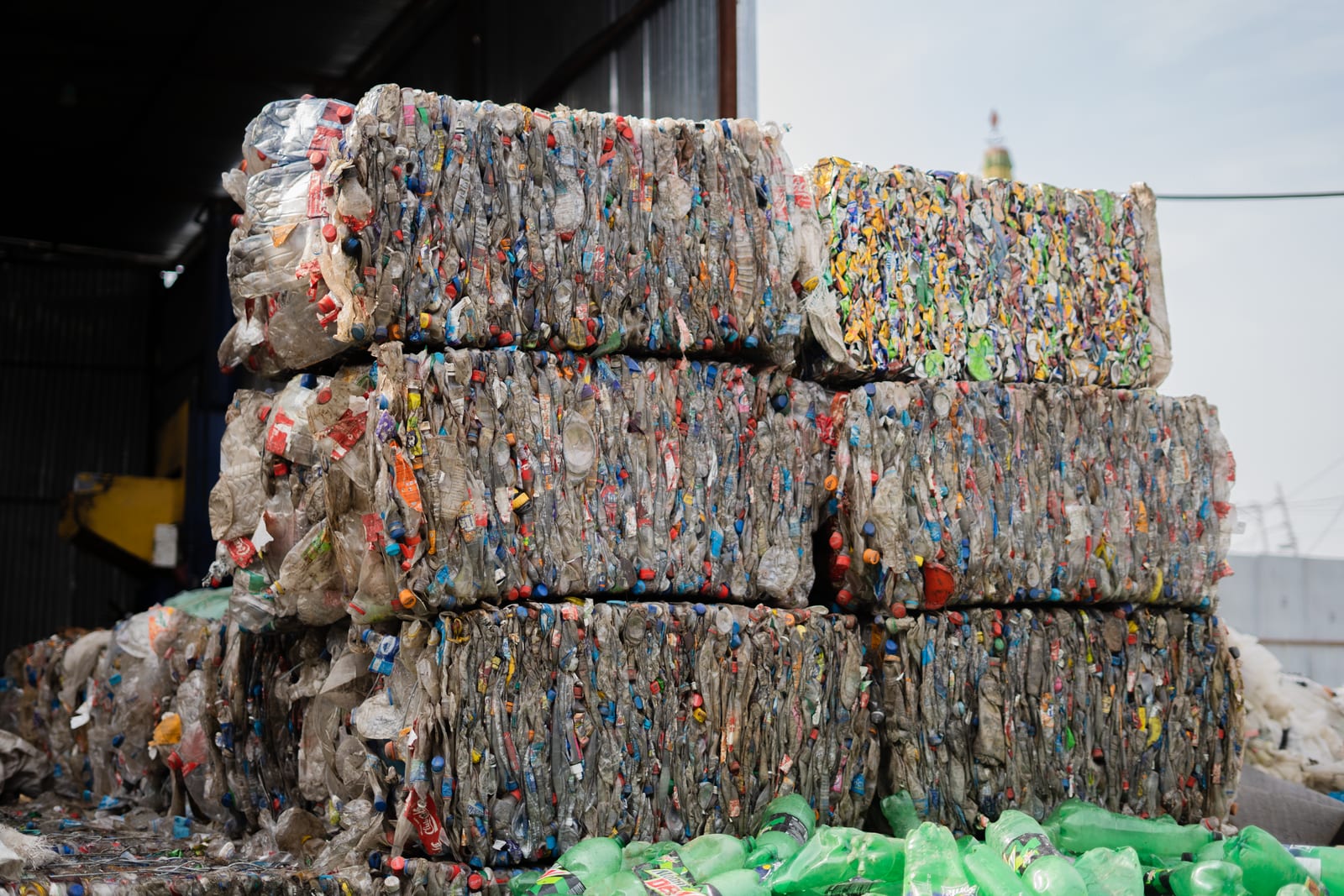
Belgium ranks second in the EU for the recycling of plastic packaging
Fost Plus, the Belgian organisation responsible for the recycling of household packaging, reported on 27 October that, according to Eurostat, Belgium recycled 58.2 per cent of its plastic packaging waste in 2024. This figure also includes packaging from businesses. It therefore says more about Belgium as a whole than about how well households sort their waste.
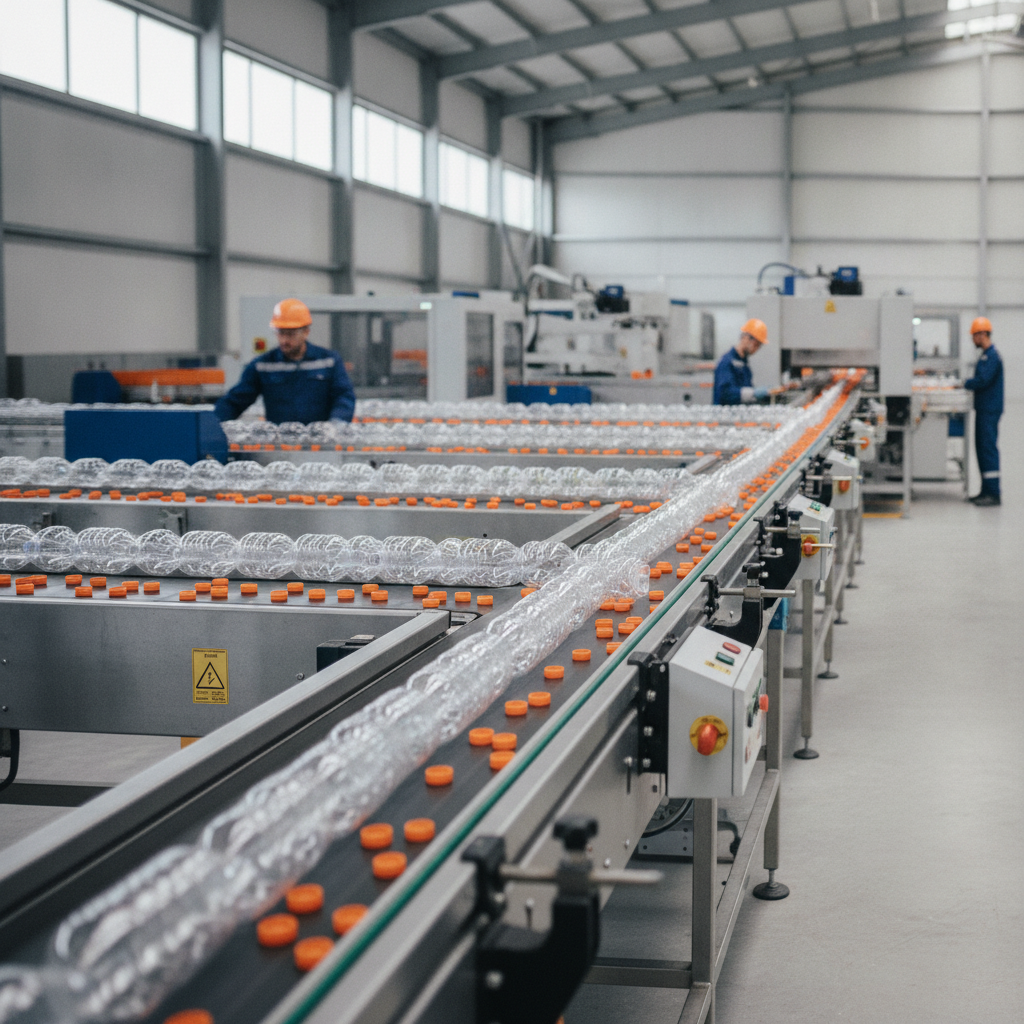
Coca-Cola, Nestlé and Danone are amending their recycling claims on bottles
The European Commission announced the commitments on 22 October. They follow a complaint lodged in November 2023 by the European consumer organisation BEUC regarding the claims made by the three bottlers.