
Belgium ranks second in the EU for the recycling of plastic packaging
Only Latvia scores higher; on average, the EU recycles 42.4 per cent.
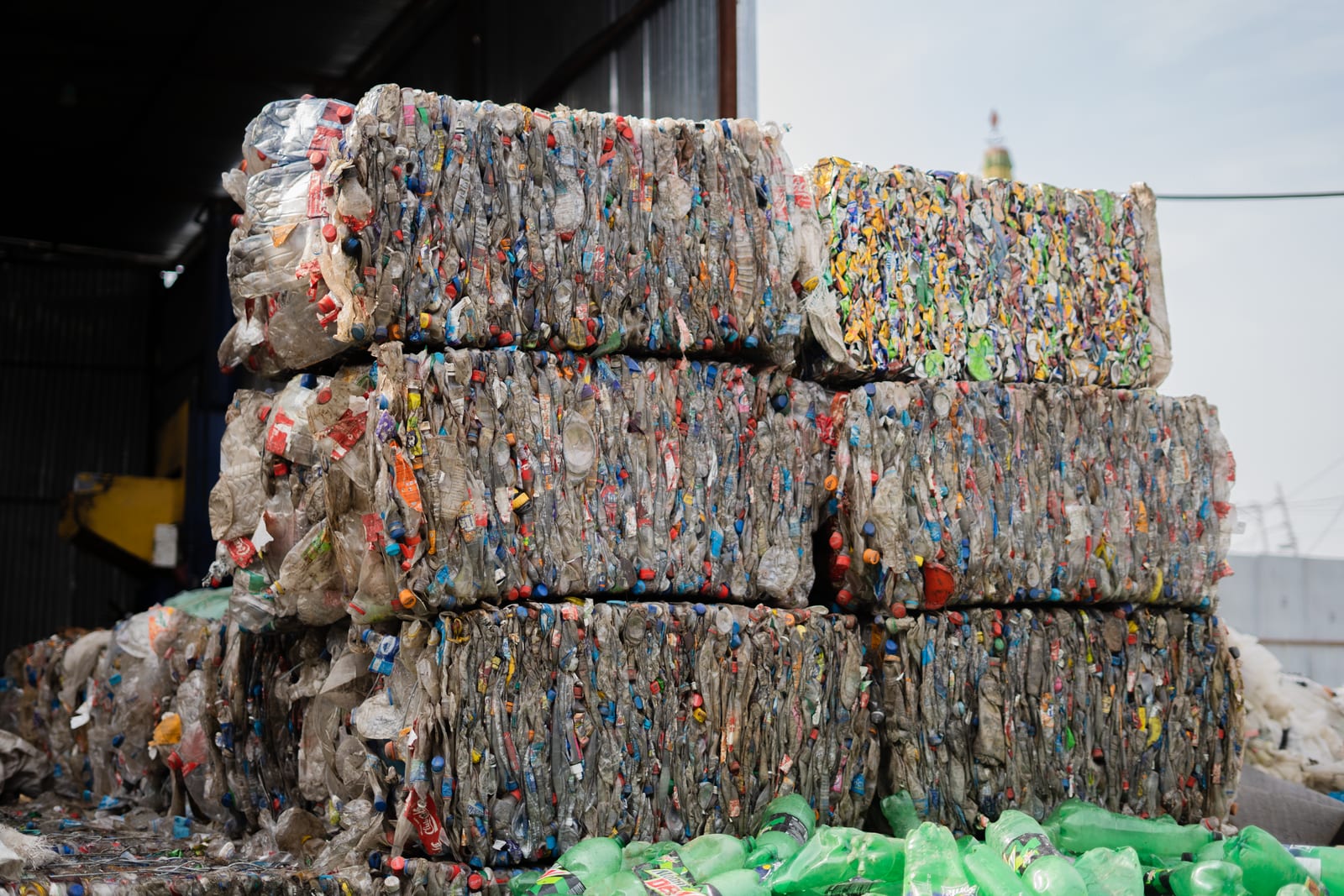
Fost Plus, the Belgian organisation responsible for the recycling of household packaging, reported on 27 October that, according to Eurostat, Belgium recycled 58.2 per cent of its plastic packaging waste in 2024. This figure also includes packaging from businesses. It therefore says more about Belgium as a whole than about how well households sort their waste.
Eurostat, the EU’s statistical office, measures the proportion of all plastic packaging waste that is recycled in a country. Apart from Belgium, only Latvia (71 per cent) and Poland (56 per cent) meet the 55 per cent target set by the EU for 2030, according to Fost Plus. The EU average is well below this.
Commercial packaging is also included
Eurostat looks at all plastic packaging placed on the market in Belgium, including that used by businesses, such as the film wrapped around a pallet. In Belgium, two organisations are responsible for this: Fost Plus for household packaging and Valipac for that of industry and commerce. For households, Fost Plus publishes its own figure: in 2025, 74 per cent of household plastic packaging was recycled. This is a different measurement, from a different group and covering a different year, so the two figures cannot be compared.
What Fost Plus would like to see improved
Fost Plus highlights three areas for improvement. The first is that some packaging is still difficult to recycle, even though it is allowed in the blue bag for plastic, metal packaging and drinks cartons. This applies to pouches, flexible bags made of multiple layers of plastic, and certain types of black packaging. The second is that all materials must be recycled on a large scale. Only 32 per cent of polystyrene – the plastic used in products such as Styrofoam – is currently recycled. The third is that there is insufficient demand for recycled plastic. Recycling capacity in Belgium is adequate, but manufacturers need to use more recycled plastic in new packaging to close the loop.
A purchaser can influence the first two points, as they relate to the packaging itself. Fost Plus requires companies to pay for the collection, sorting and recycling of packaging. This contribution is paid by the company that places the packaged product on the market in Belgium, for example the brand owner or the importer. If your company markets products in Belgium itself, then your company pays that contribution. The contribution is higher for packaging that is more difficult to recycle, so anyone choosing packaging for Belgium would be well advised to pay attention to recyclability.
Even those who sell only in the Netherlands are subject to recyclability requirements. The European Packaging and Packaging Waste Regulation (PPWR) is an EU law that applies in all Member States. From 1 January 2030, all packaging will be classified into a recyclability category, ranging from A (the best) to C. If a packaging item is rated below category C, it will no longer be permitted on the market from 2030 onwards. The exact thresholds will be set by 1 January 2028 at the latest.
Sources
- Recycling of plastic packaging: Belgium on the European stage, 27 October 2026
- Eurostat: Plastic packaging waste in the EU: 35.9 kg per person, 22 October 2026
Lees verder
Gerelateerde berichten
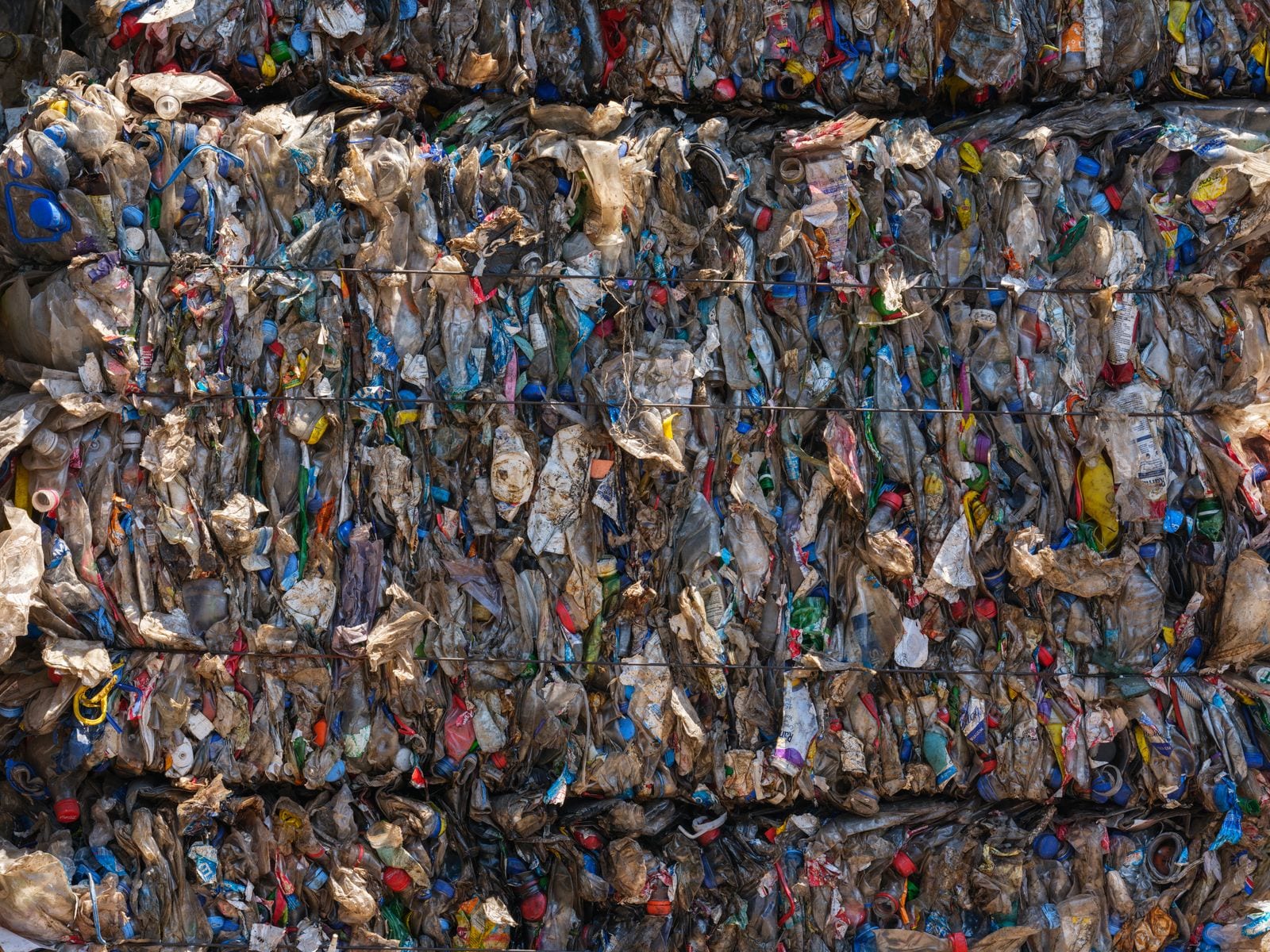
Recycling plant in Lommel can process 40,000 tonnes of plastic a year
Morssinkhof-Rymoplast, a European plastics recycling group, opened a €30 million plant in Lommel on 30 October to process plastic packaging from the Belgian PMD bag (the collection bag for plastic, metal and drink cartons). This marks the completion of the Belgian organisation Fost Plus’s plan for six new recycling plants, but there are not yet enough buyers for the recycled plastic.
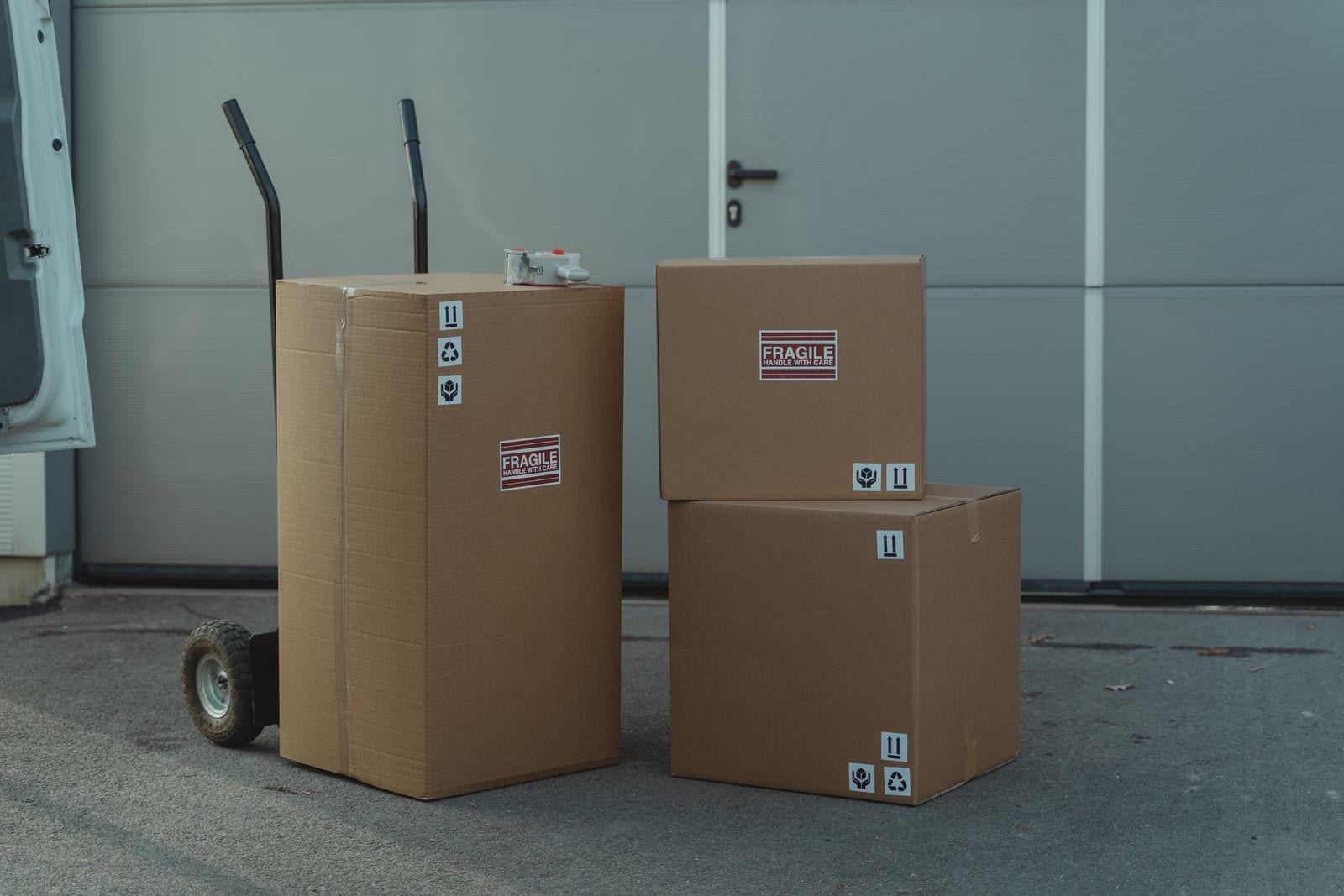
Reusable shipping bag: 80 per cent were returned in a Belgian pilot scheme
Fost Plus, the organisation responsible for the collection and recycling of household packaging in Belgium, announced the results of the EVERPAX pilot on 2 November. From February to August 2026, eight partners tested a reusable returnable delivery bag: the system worked in practice, but is not yet cost-effective.
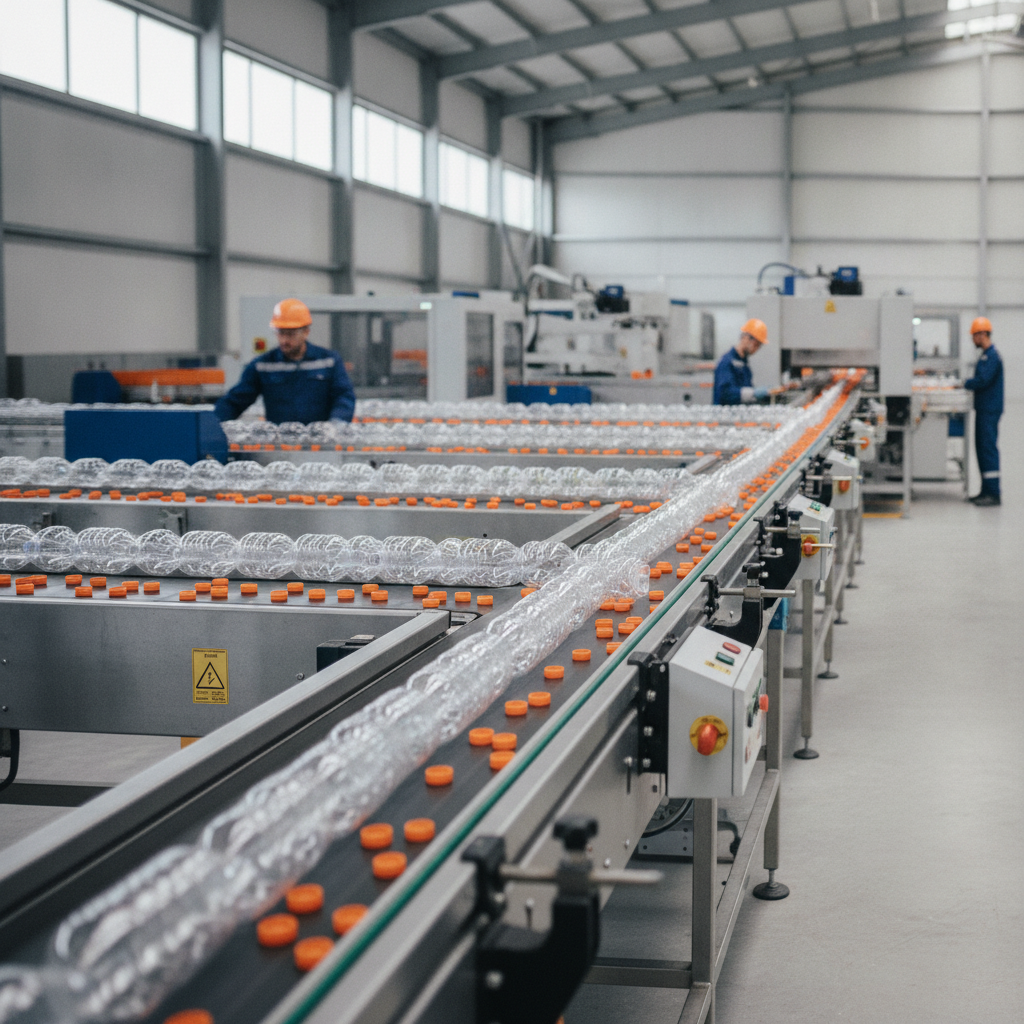
Coca-Cola, Nestlé and Danone are amending their recycling claims on bottles
The European Commission announced the commitments on 22 October. They follow a complaint lodged in November 2023 by the European consumer organisation BEUC regarding the claims made by the three bottlers.