
Reusable shipping bag: 80 per cent were returned in a Belgian pilot scheme
According to the partners, shops acting as return points offer the best opportunity for scaling up.
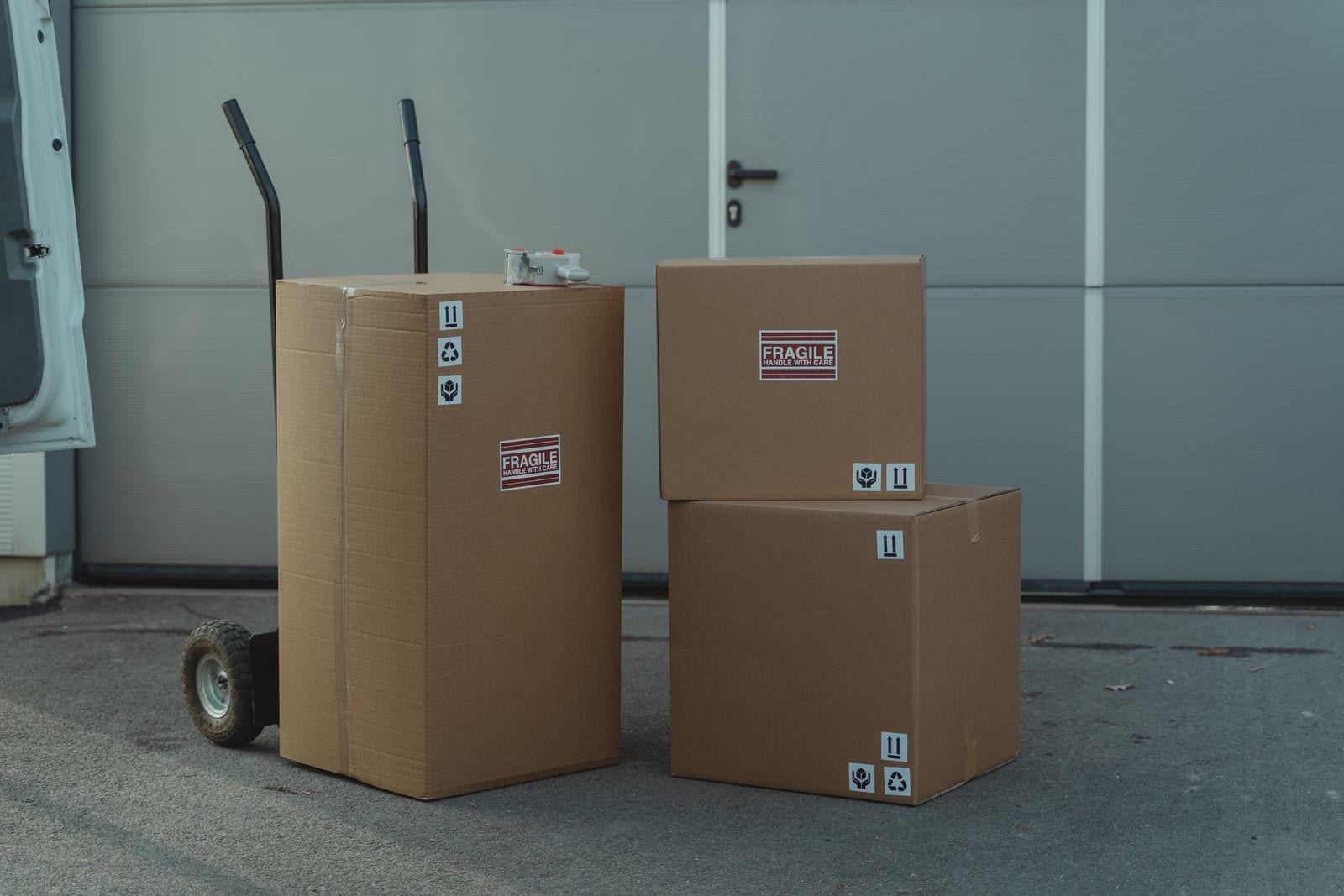
Fost Plus, the organisation responsible for the collection and recycling of household packaging in Belgium, announced the results of the EVERPAX pilot on 2 November. From February to August 2026, eight partners tested a reusable returnable delivery bag: the system worked in practice, but is not yet cost-effective.
In the EVERPAX pilot, eight partners tested a single product: a reusable delivery bag, the Bring Me Bag. Customers ordering online from the retailers Torfs or Juttu could choose between single-use delivery packaging and this bag at the checkout. Customers paid a €3.95 deposit for the bag, which they received back as soon as the empty bag was returned, just like a bottle deposit. The bag could be returned via a red bpost postbox (the Belgian postal service), at a post office, or at a Torfs or Juttu shop. A QR code on each bag facilitated the refund.
In six months, the partners recorded 1,271 complete cycles: a bag was sent out, returned and the deposit refunded. Four out of five bags were returned, half of them within 12 days. Only 0.5 per cent of the bags needed to be cleaned or repaired between two rounds. Forty per cent of the bags were returned via a shop. All participating shops served as return points, alongside around 10,000 postboxes and 650 bpost post offices. The partners see shops as the best opportunity to scale up the system.
Customers do need to see the option
How often customers chose the bag depended heavily on its visibility. When Juttu displayed the reusable option in a pop-up, around 10 per cent of customers opted for it. Without the pop-up, that proportion fell sharply, even though the option remained available. Initial research findings suggest that 28 per cent of customers had not seen the option. Most customers considered the deposit reasonable. The University of Antwerp investigated customer reactions and will complete its analysis this autumn.
A technical success, but not yet financially viable
According to the partners, reuse works in practice, but it is not yet profitable. A bag must be returned often enough to recoup the purchase cost, but the cost per bag was too high for that to happen. Fost Plus does not specify a cost per bag. The partners have devised a scenario to reduce the cost per collection round. It involves automation – as the pilot was largely manual – and a digital identification code that allows a bag to be dispatched from one retailer and returned to another. Whether this scenario is feasible remains to be seen on a larger scale. It is also not yet clear how costs and revenues will be distributed across the supply chain, so that each party ends up with a workable balance.
Fost Plus itself participated in the pilot and assessed the bag against the new European Packaging Regulation (PPWR). The bag does not yet fully meet the requirements that the regulation will eventually impose. Fost Plus has mapped out how the bag can be made to comply. It also points out that reuse is not always better for the environment: this depends on the product and its application.
The partners are now considering a next phase involving additional retailers. Online shops considering the use of reusable packaging or dispatch bags can draw three key takeaways from the results: how visible the option is, the cost per bag per collection round, and the number of collection points available.
Sources
- Reusable shipping bag: results of the EVERPAX pilot, 2 November 2026
Lees verder
Gerelateerde berichten
Recycling plant in Lommel can process 40,000 tonnes of plastic a year
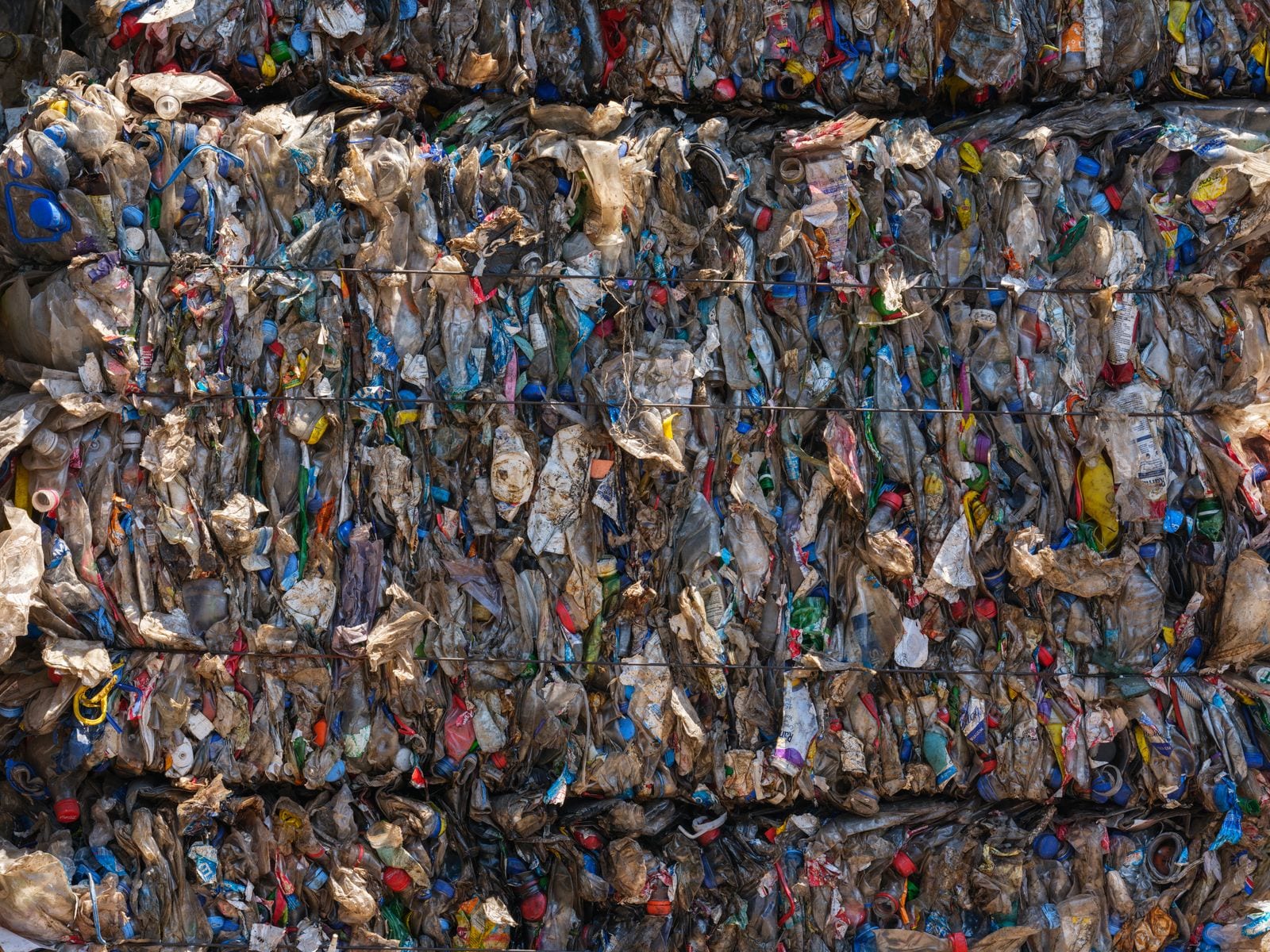
Morssinkhof-Rymoplast, a European plastics recycling group, opened a €30 million plant in Lommel on 30 October to process plastic packaging from the Belgian PMD bag (the collection bag for plastic, metal and drink cartons). This marks the completion of the Belgian organisation Fost Plus’s plan for six new recycling plants, but there are not yet enough buyers for the recycled plastic.
Belgium ranks second in the EU for the recycling of plastic packaging
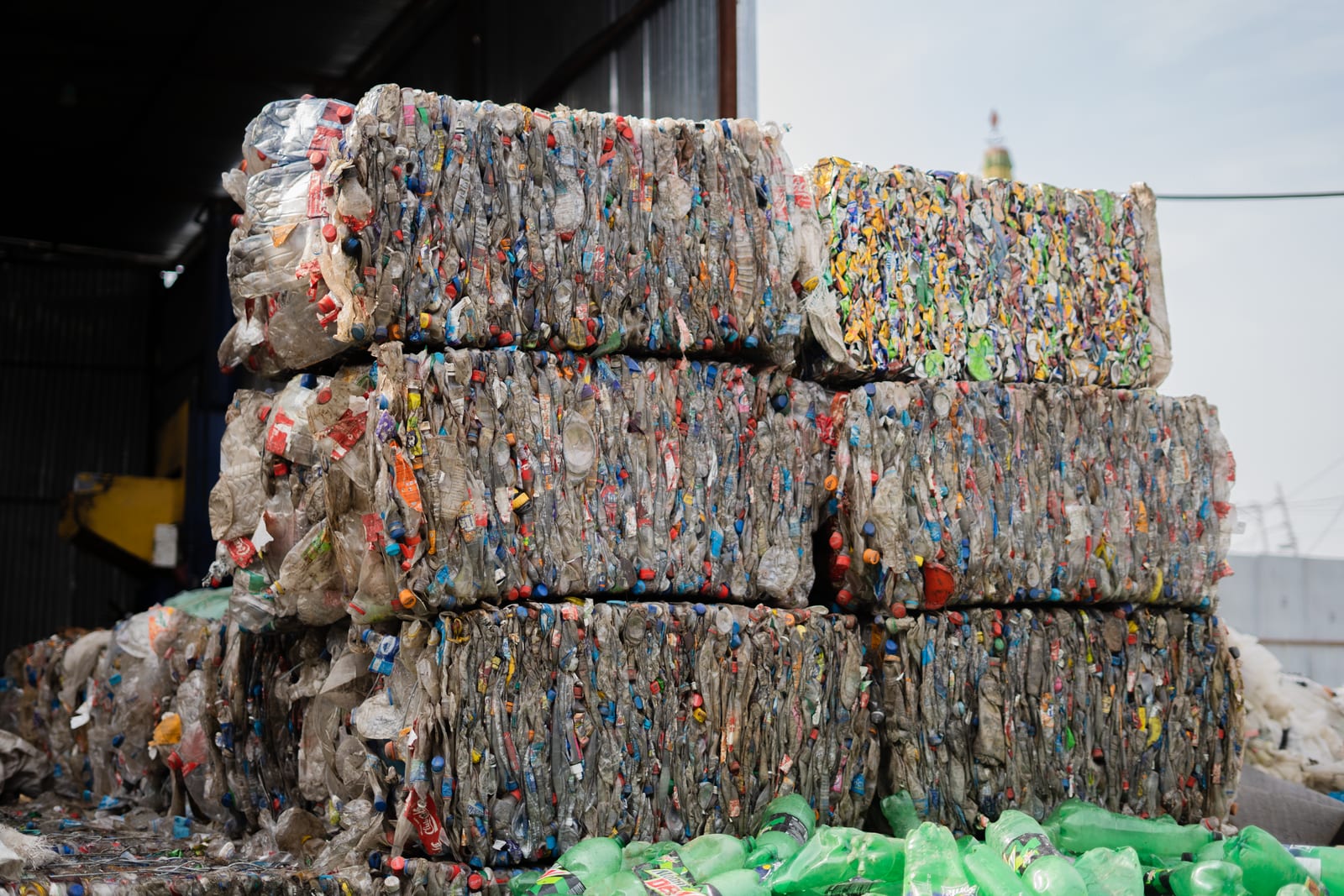
Fost Plus, the Belgian organisation responsible for the recycling of household packaging, reported on 27 October that, according to Eurostat, Belgium recycled 58.2 per cent of its plastic packaging waste in 2024. This figure also includes packaging from businesses. It therefore says more about Belgium as a whole than about how well households sort their waste.
Coca-Cola, Nestlé and Danone are amending their recycling claims on bottles
The European Commission announced the commitments on 22 October. They follow a complaint lodged in November 2023 by the European consumer organisation BEUC regarding the claims made by the three bottlers.