
Eurostat: In 2024, the EU recycled 42.4 per cent of plastic packaging waste
Belgium is in second place with 58.2 per cent; the Netherlands is not mentioned in the Eurostat report.
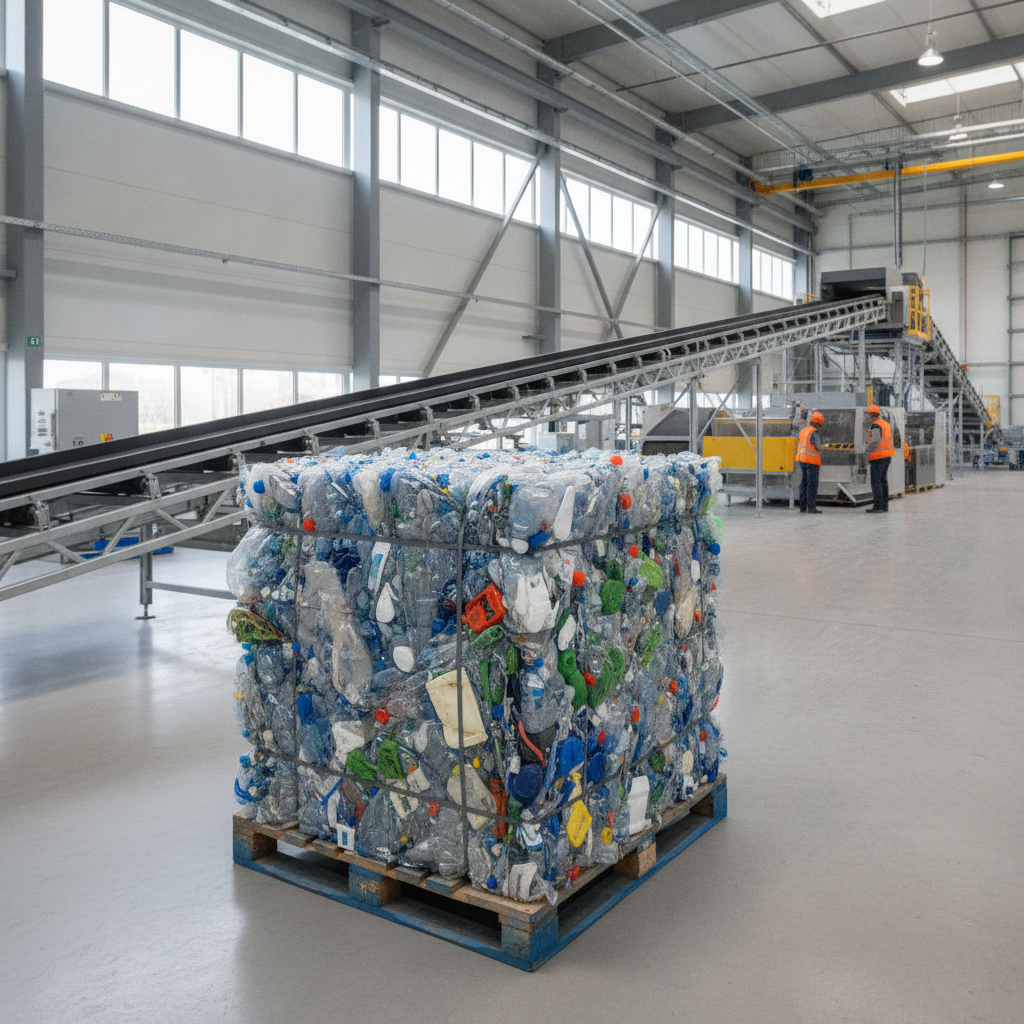
Eurostat published the figures on 22 October. In 2023, the figure stood at 41.6 per cent; in 2024, this amounted to 35.9 kilograms of plastic packaging waste per inhabitant, of which 15.3 kilograms were recycled.
Both the amount of plastic packaging waste and the amount recycled increased by 0.6 kilograms per inhabitant compared with 2023. The figures relate to packaging waste from across the entire economy: households, businesses and the public sector. They therefore provide an indication of all the plastic packaging generated in a country.
Significant differences between countries
Latvia achieved the highest recycling rate at 71.0 per cent. After Belgium come Poland with 56.0 per cent and the Czech Republic with 53.7 per cent. At the bottom of the table are Denmark with 22.5 per cent, Finland with 26.9 per cent and France with 27.4 per cent.
What this means for buyers and suppliers
More than half of plastic packaging waste in the EU is not recycled. For buyers in the Netherlands and Belgium, this is a reason to ask, when making a new enquiry, how well a plastic packaging item can be recycled. This applies equally to film and plastic trays.
From 12 August 2026, under the PPWR, a supplier must substantiate in the declaration of conformity that a packaging item is recyclable, for example by reference to the EN 13430 standard. From 1 January 2030, every packaging item will be assigned a performance class for recyclability. The exact thresholds will be set out in a delegated act, which must be finalised by 1 January 2028 at the latest. Our page on recyclability under the PPWR sets out what is already certain and what is still subject to interpretation.
Background
In total, 81.5 million tonnes of packaging waste were generated in the EU in 2024, an average of 181.0 kilograms per inhabitant. Plastic accounts for 19.9 per cent of this. Paper and cardboard make up the largest share, at 40.8 per cent.
Eurostat calculates the kilograms per inhabitant by dividing the national waste volumes by the average population for that year. For Belgium, Eurostat only quotes the percentage, not the kilograms per inhabitant.
Sources
- Plastic packaging waste in the EU: 35.9 kg per person, 22 October 2026
Lees verder
Gerelateerde berichten
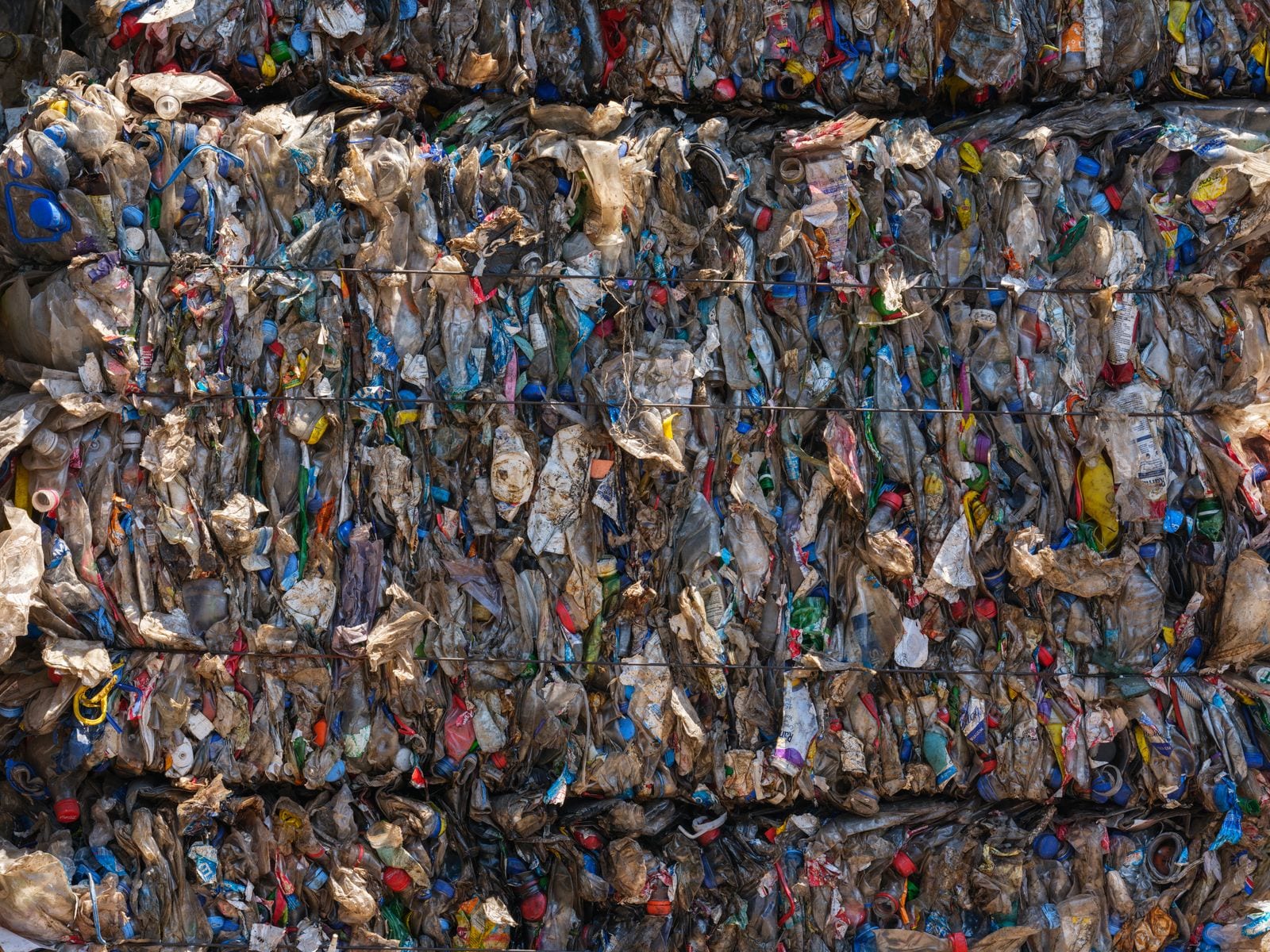
Recycling plant in Lommel can process 40,000 tonnes of plastic a year
Morssinkhof-Rymoplast, a European plastics recycling group, opened a €30 million plant in Lommel on 30 October to process plastic packaging from the Belgian PMD bag (the collection bag for plastic, metal and drink cartons). This marks the completion of the Belgian organisation Fost Plus’s plan for six new recycling plants, but there are not yet enough buyers for the recycled plastic.
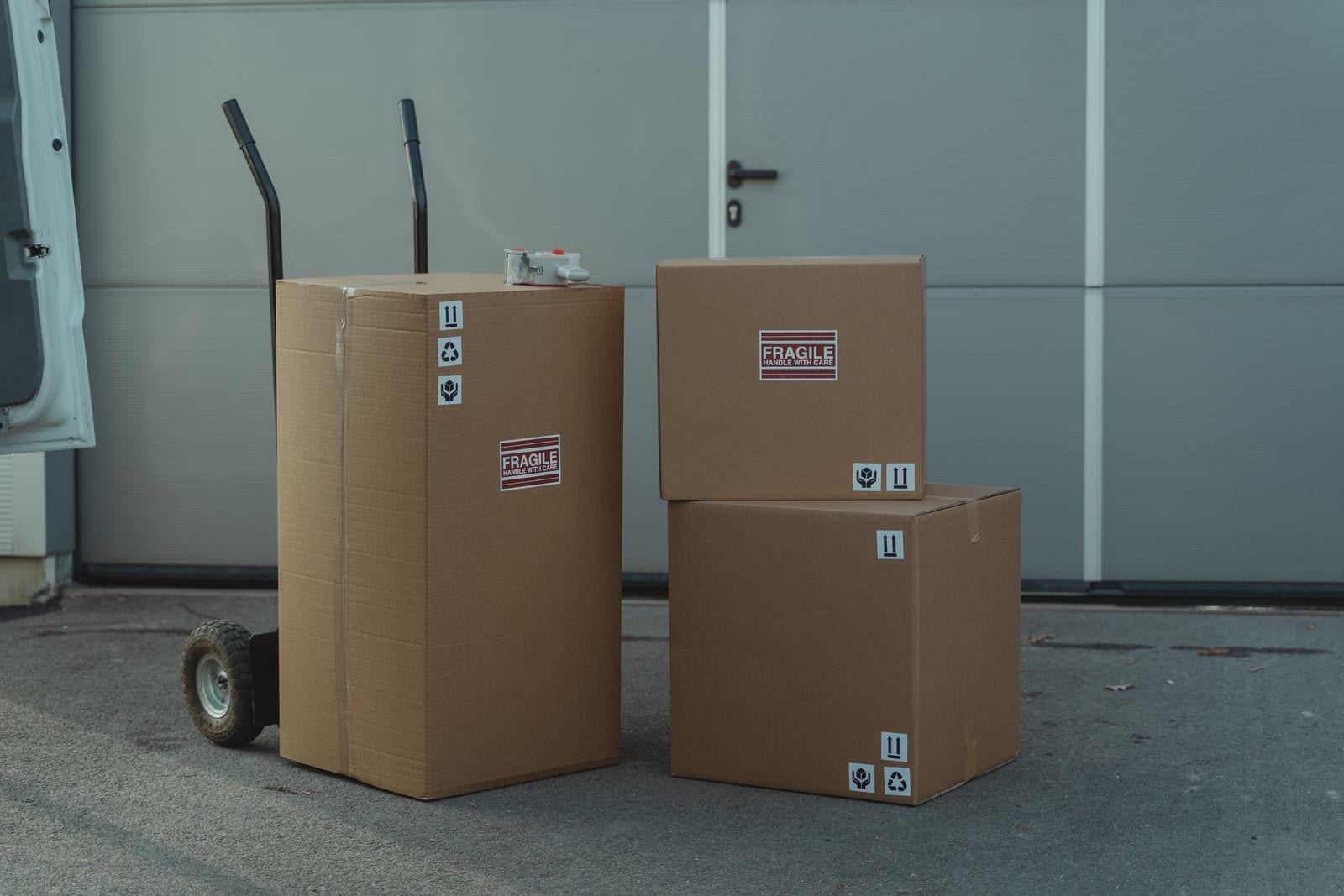
Reusable shipping bag: 80 per cent were returned in a Belgian pilot scheme
Fost Plus, the organisation responsible for the collection and recycling of household packaging in Belgium, announced the results of the EVERPAX pilot on 2 November. From February to August 2026, eight partners tested a reusable returnable delivery bag: the system worked in practice, but is not yet cost-effective.
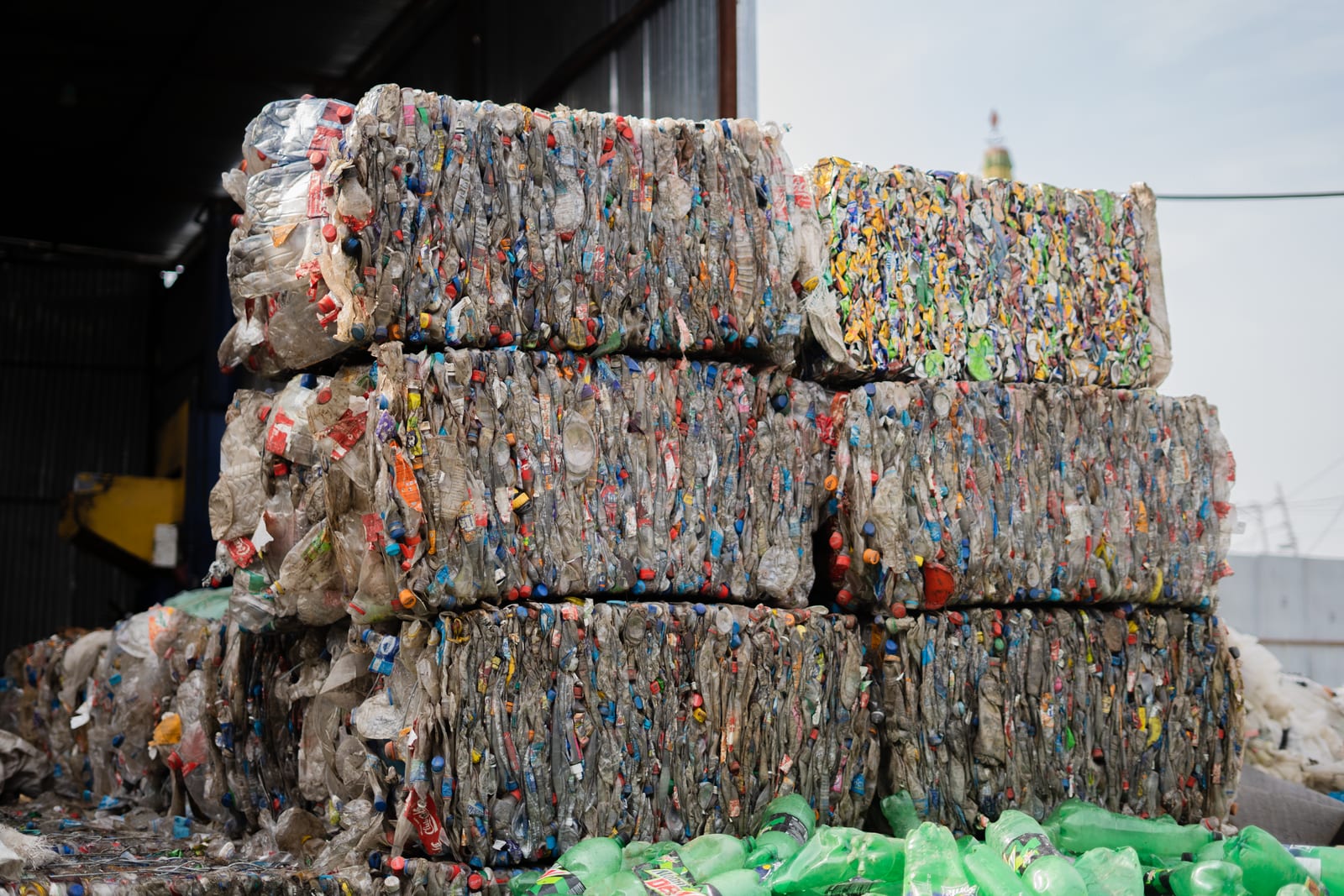
Belgium ranks second in the EU for the recycling of plastic packaging
Fost Plus, the Belgian organisation responsible for the recycling of household packaging, reported on 27 October that, according to Eurostat, Belgium recycled 58.2 per cent of its plastic packaging waste in 2024. This figure also includes packaging from businesses. It therefore says more about Belgium as a whole than about how well households sort their waste.