
Verpact is preparing to introduce a deposit scheme for plastic juice and dairy bottles
The Government is aiming to introduce a mandatory deposit scheme for these bottles from 1 January 2028, but the relevant regulations still need to be amended.
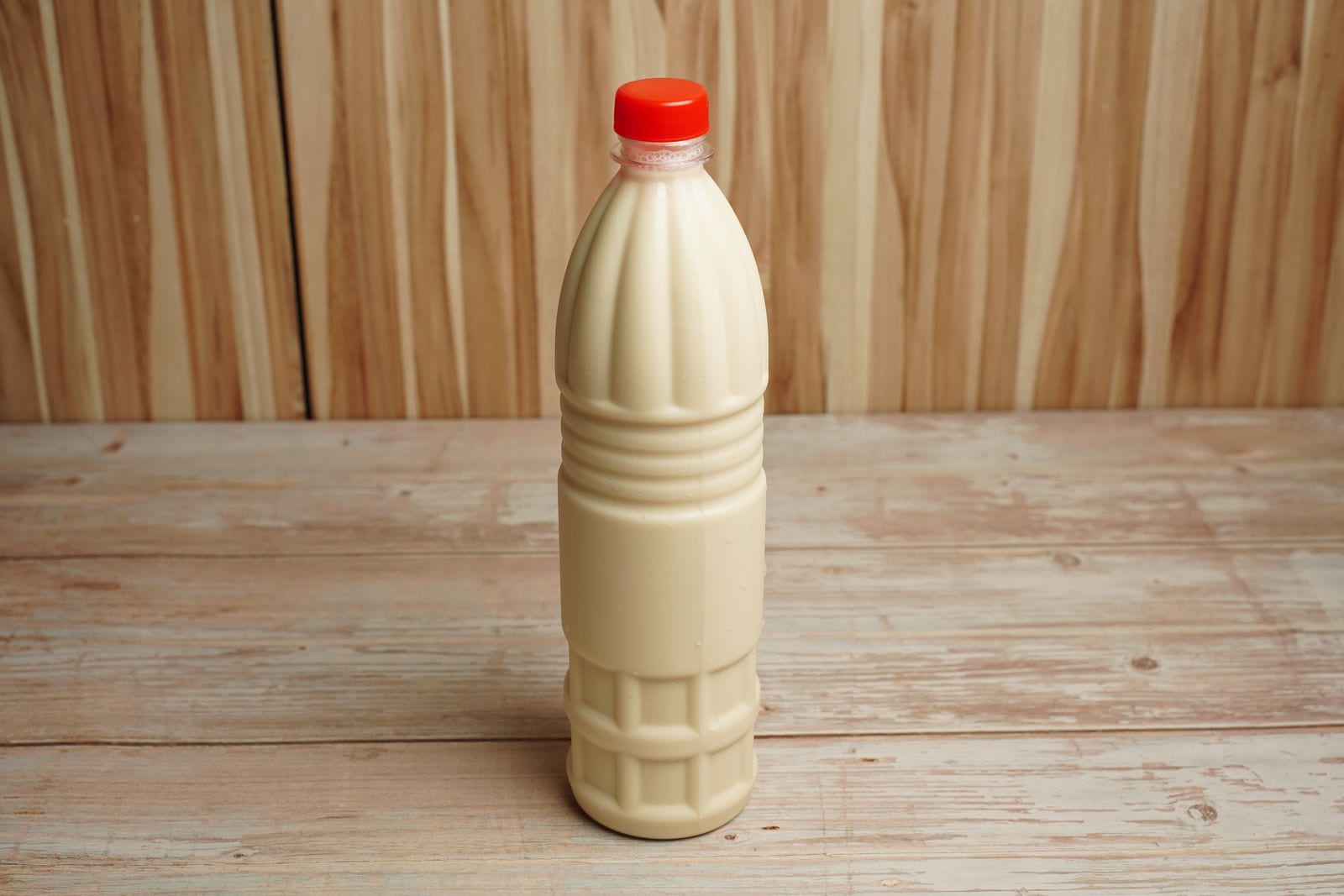
Verpact, the organisation of drinks producers that operates the Dutch deposit-refund scheme, announced on 22 November that it intends to introduce a deposit on plastic juice and dairy bottles in stages from 2027. In doing so, the Netherlands aims to meet the statutory target of collecting 90 per cent of plastic drinks bottles.
Deposits currently apply only to plastic bottles and tins containing water and soft drinks. An exception applied to juice and dairy products. In the case of dairy products, this was because producers found the bottles difficult to clean. In a letter to Parliament dated 26 June, Minister Van Veldhoven (Climate and Green Growth) proposed scrapping this exemption. This would mean that all plastic beverage bottles up to and including 3 litres would be subject to a deposit, regardless of the contents. In the same letter, the Minister asked Verpact to get started as soon as possible. In September, the government further elaborated on the plan, setting 1 January 2028 as the target date. Verpact has opted for a phased introduction to ensure the system is operational by that date.
A Dutch target and a European obligation
The urgency stems from the collection target, which has not been met even once in the past four years. In the Netherlands, the law stipulates that 90 per cent of plastic drinks bottles must be collected. This includes bottles without a deposit. Juice and dairy bottles account for approximately 12 per cent of all plastic drinks bottles. According to Verpact, without effective collection of these bottles as well, the target is practically unachievable.
From 1 January 2029, European regulations will also require that 90 per cent of all plastic beverage bottles be collected separately. If the Netherlands fails to meet this target, strict European requirements will apply to the deposit-refund system, such as a mandatory take-back obligation for all retail outlets. This would mean even small shops would have to take back empty bottles. The minister wants to prevent this. With this expansion, the Netherlands retains control over how it achieves the 90 per cent target.
New labels and adapted return machines
The expansion will require adjustments to labels, return machines, computer systems and logistics. The system will also have to handle a greater volume. Currently, around 4.5 billion deposit-bearing containers are placed on the market in the Netherlands each year. Verpact expects the expansion to add around 200 million to that figure annually. In the dairy sector, Verpact must also first address the long-standing concern raised by producers: measures must be put in place to tackle hygiene issues.
The need to amend the labels is particularly important for producers of juice and dairy products in plastic bottles and for their label printers. Verpact has not yet announced what the new label will look like or which bottles will be the first to be affected. We will have to wait for the plan for the details.
According to Verpact, consumers will start to notice the changes in the course of 2027, and by 1 January 2028 the system must be operational for all plastic juice and dairy bottles. Verpact is currently finalising the plan and intends to inform consumers as soon as it is finalised.
Sources
- All plastic drinks bottles to have a deposit to meet the 90% target (Verpact), 22 November 2026
- Government proposes a simpler deposit-and-return system (Government of the Netherlands), 4 September 2026
- Deposit on plastic milk bottles and protein drinks: minister wants to extend deposit scheme (NOS), 26 June 2026
Lees verder
Gerelateerde berichten
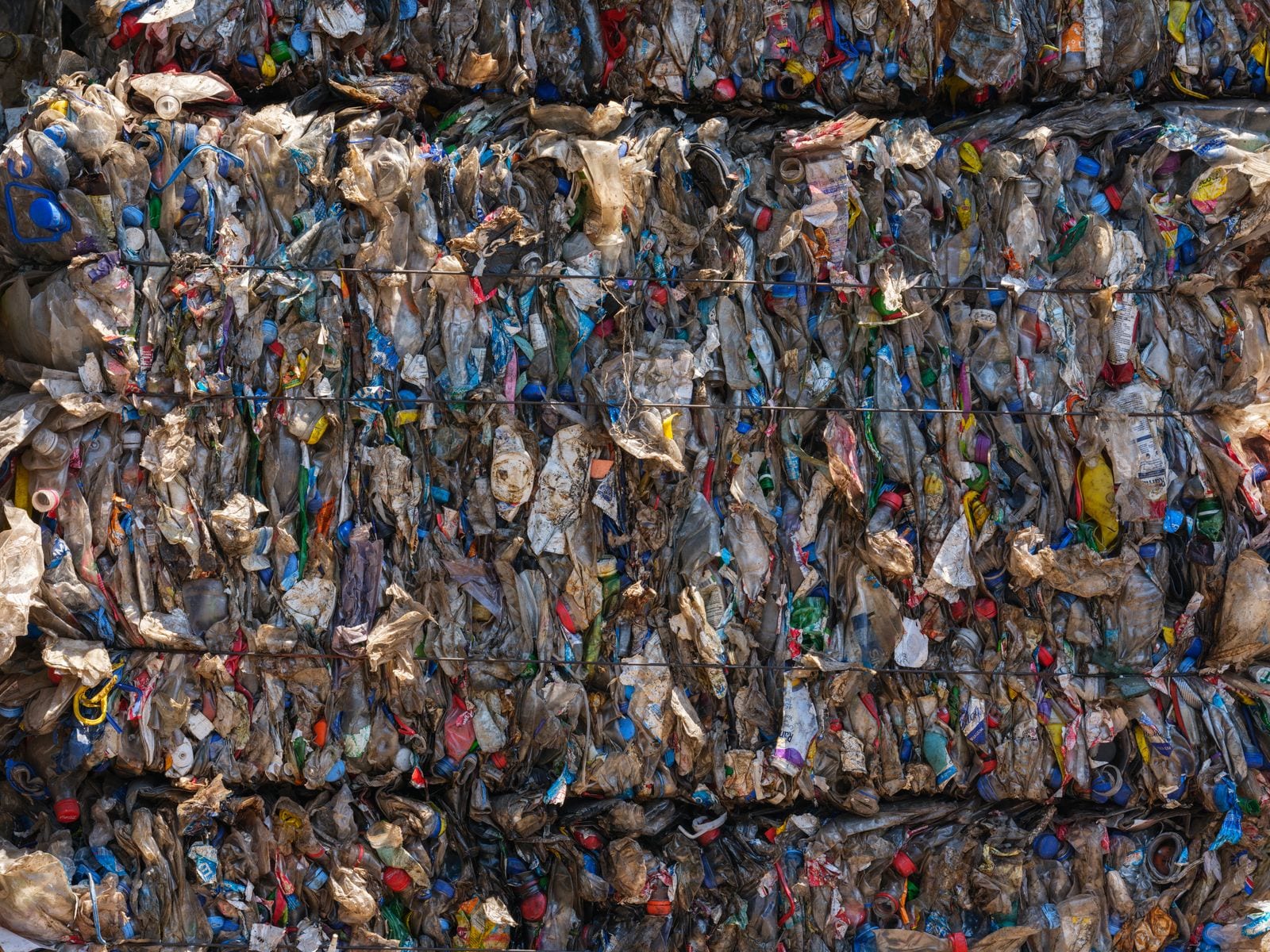
Recycling plant in Lommel can process 40,000 tonnes of plastic a year
Morssinkhof-Rymoplast, a European plastics recycling group, opened a €30 million plant in Lommel on 30 October to process plastic packaging from the Belgian PMD bag (the collection bag for plastic, metal and drink cartons). This marks the completion of the Belgian organisation Fost Plus’s plan for six new recycling plants, but there are not yet enough buyers for the recycled plastic.
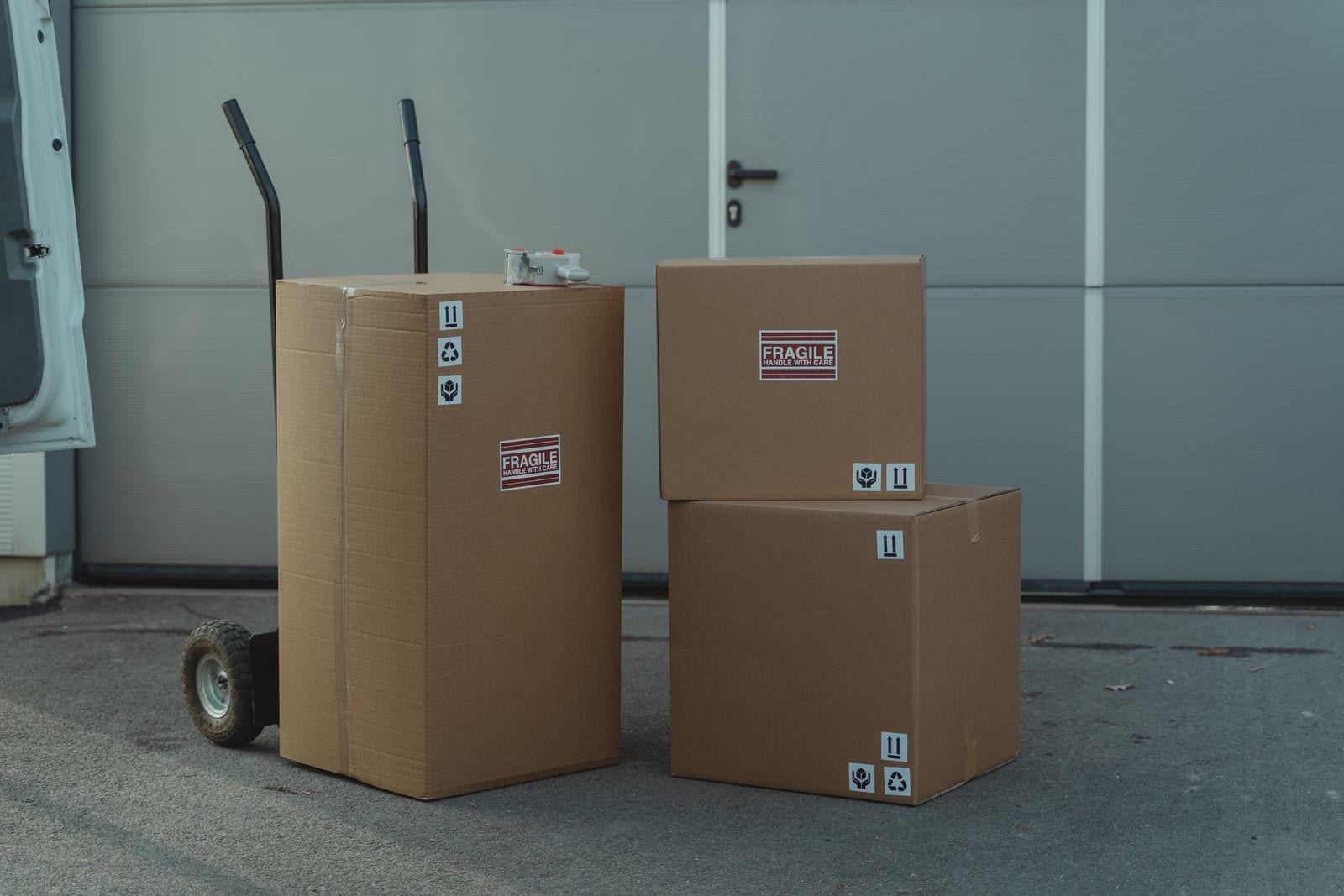
Reusable shipping bag: 80 per cent were returned in a Belgian pilot scheme
Fost Plus, the organisation responsible for the collection and recycling of household packaging in Belgium, announced the results of the EVERPAX pilot on 2 November. From February to August 2026, eight partners tested a reusable returnable delivery bag: the system worked in practice, but is not yet cost-effective.
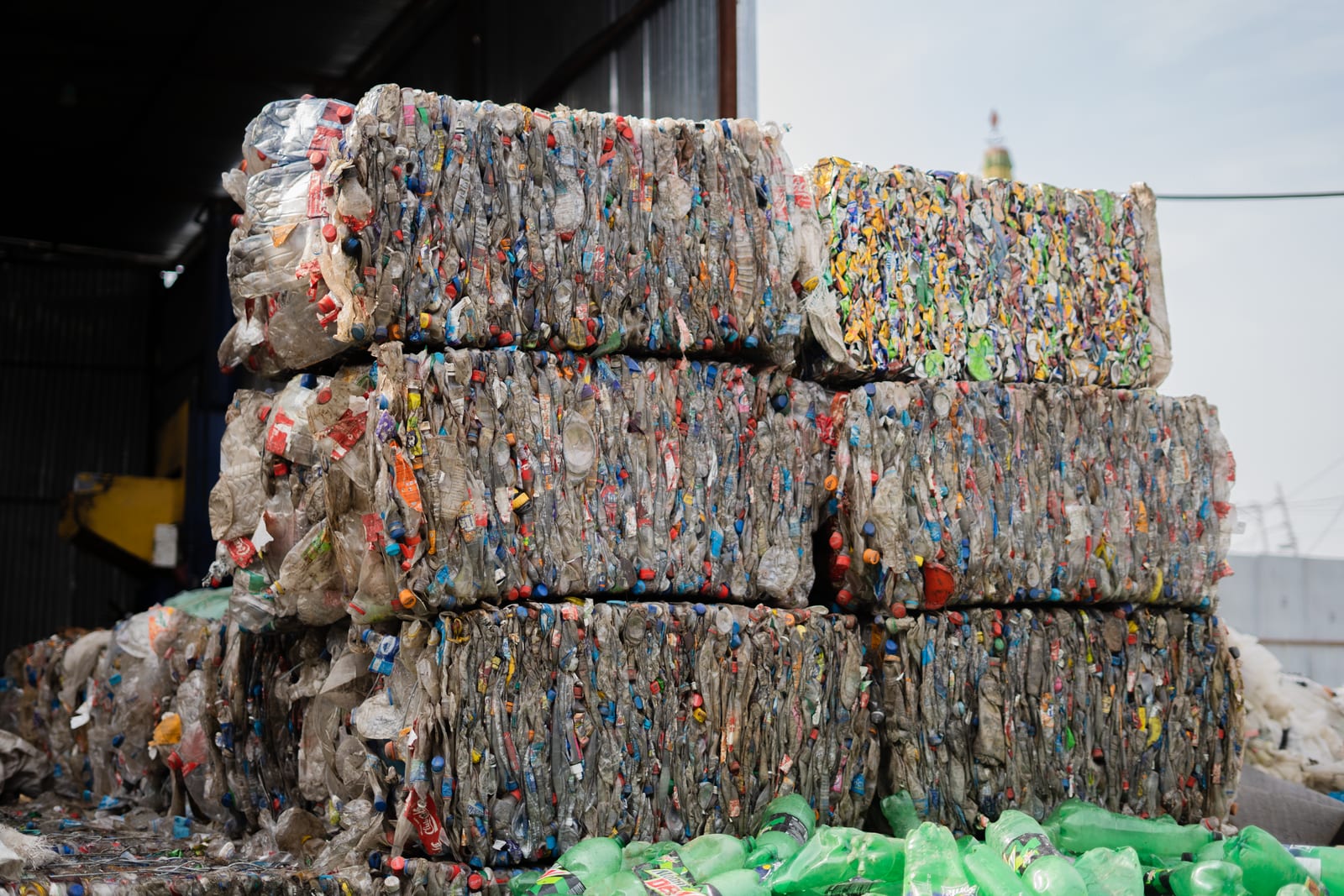
Belgium ranks second in the EU for the recycling of plastic packaging
Fost Plus, the Belgian organisation responsible for the recycling of household packaging, reported on 27 October that, according to Eurostat, Belgium recycled 58.2 per cent of its plastic packaging waste in 2024. This figure also includes packaging from businesses. It therefore says more about Belgium as a whole than about how well households sort their waste.