
Reusable packaging as an alternative to cardboard boxes
Consumer media are highlighting how reusable packaging can replace single-use boxes. What does that mean for the supply chain?
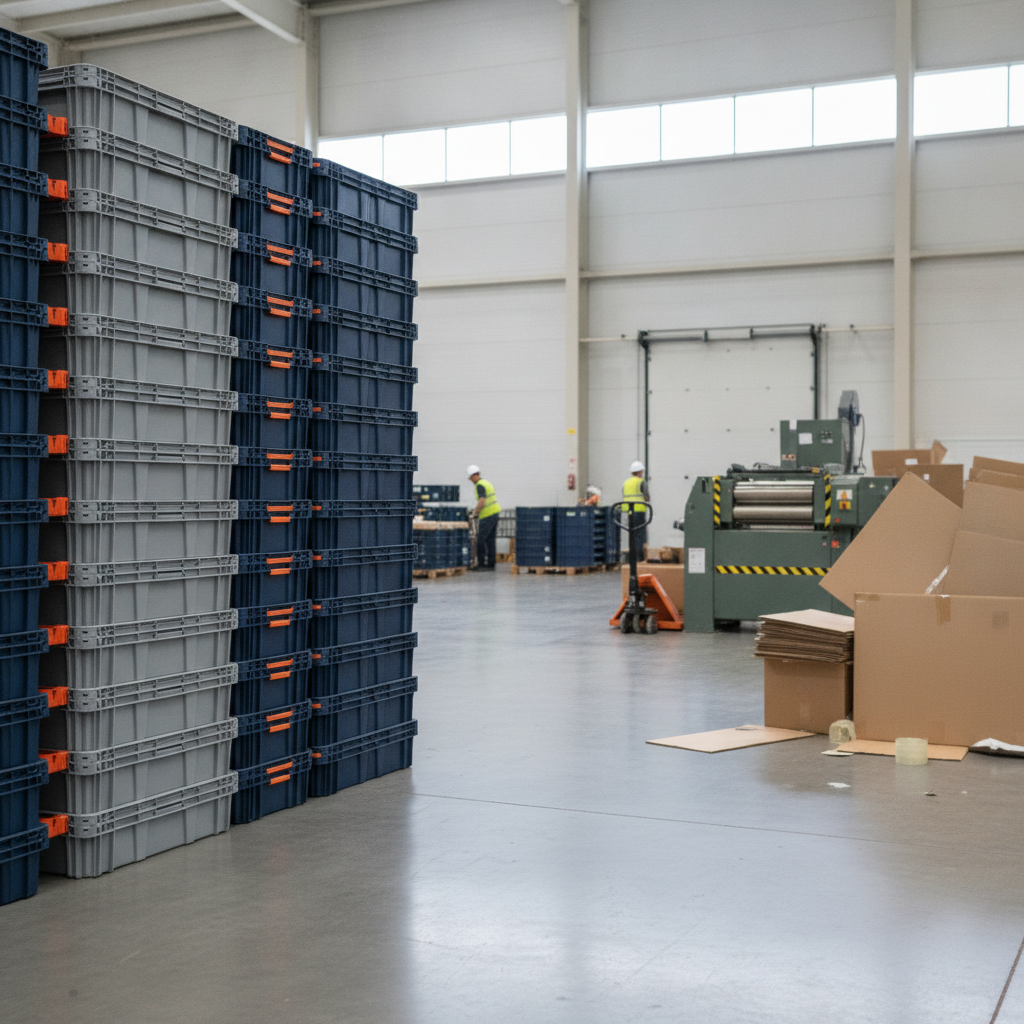
Reusable packaging as an alternative to single-use cardboard boxes is attracting attention in the consumer media. The topic is in line with the circularity goals of Dutch packaging companies and brand owners. This article outlines the current situation and the issues relevant to the supply chain.
Reusable packaging as an alternative to single-use cardboard boxes is attracting increasing attention, even outside the trade press. For example, *Margriet* magazine has looked into how such a system works. For the packaging industry, this is a clear sign: the topic is of interest to a wide audience and is directly linked to sustainability and circularity.
Background
According to the source provided, the single-use cardboard box is under scrutiny and reusable packaging is being presented as an alternative. The source is a consumer-focused article. Technical details, market figures and the names of suppliers are missing from the available material and are therefore not mentioned here.
What’s at stake
The principle is that packaging is not discarded after a single use, but re-enters the supply chain multiple times. This shifts the focus from a product that must primarily be cheap and lightweight to packaging designed for longer-term use. For professionals, this raises a number of questions:
- Which materials and designs are suitable for multiple usage cycles?
- How are return flows, cleaning and inspection organised logistically?
- How do brand owners, logistics providers and packagers share responsibilities and costs?
- What impact will a different packaging format have on existing packaging and filling lines?
Impact on the Dutch market
For Dutch packagers, machine manufacturers and brand owners, circularity has long been a strategic priority. As reusable concepts become more widely known amongst consumers, this may influence expectations of brands and retailers. Whether, and to what extent, reusable packaging will actually replace the cardboard box cannot be determined on the basis of this source. This is likely to depend on the application, the product category and the available return infrastructure.
Outlook
Procurement and production professionals would be well advised to monitor developments and assess internally for which product groups reusable packaging is a realistic option. This involves running pilot schemes, coordinating with supply chain partners and critically comparing the overall environmental and cost impact with current single-use solutions. Nederland Verpakt is monitoring this topic and will report back on specific applications and practical experiences.
Sources:
Lees verder
Gerelateerde berichten
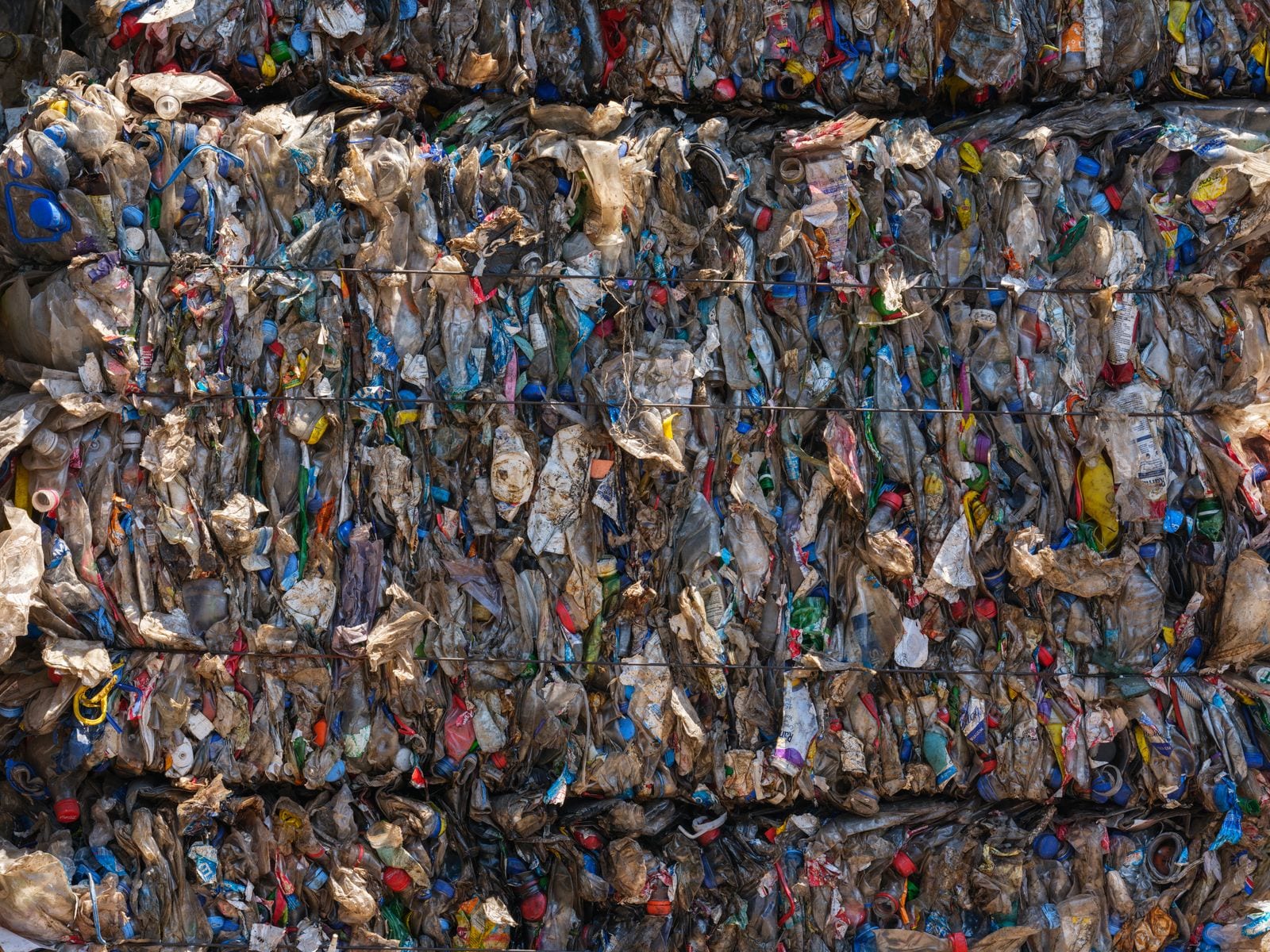
Recycling plant in Lommel can process 40,000 tonnes of plastic a year
Morssinkhof-Rymoplast, a European plastics recycling group, opened a €30 million plant in Lommel on 30 October to process plastic packaging from the Belgian PMD bag (the collection bag for plastic, metal and drink cartons). This marks the completion of the Belgian organisation Fost Plus’s plan for six new recycling plants, but there are not yet enough buyers for the recycled plastic.
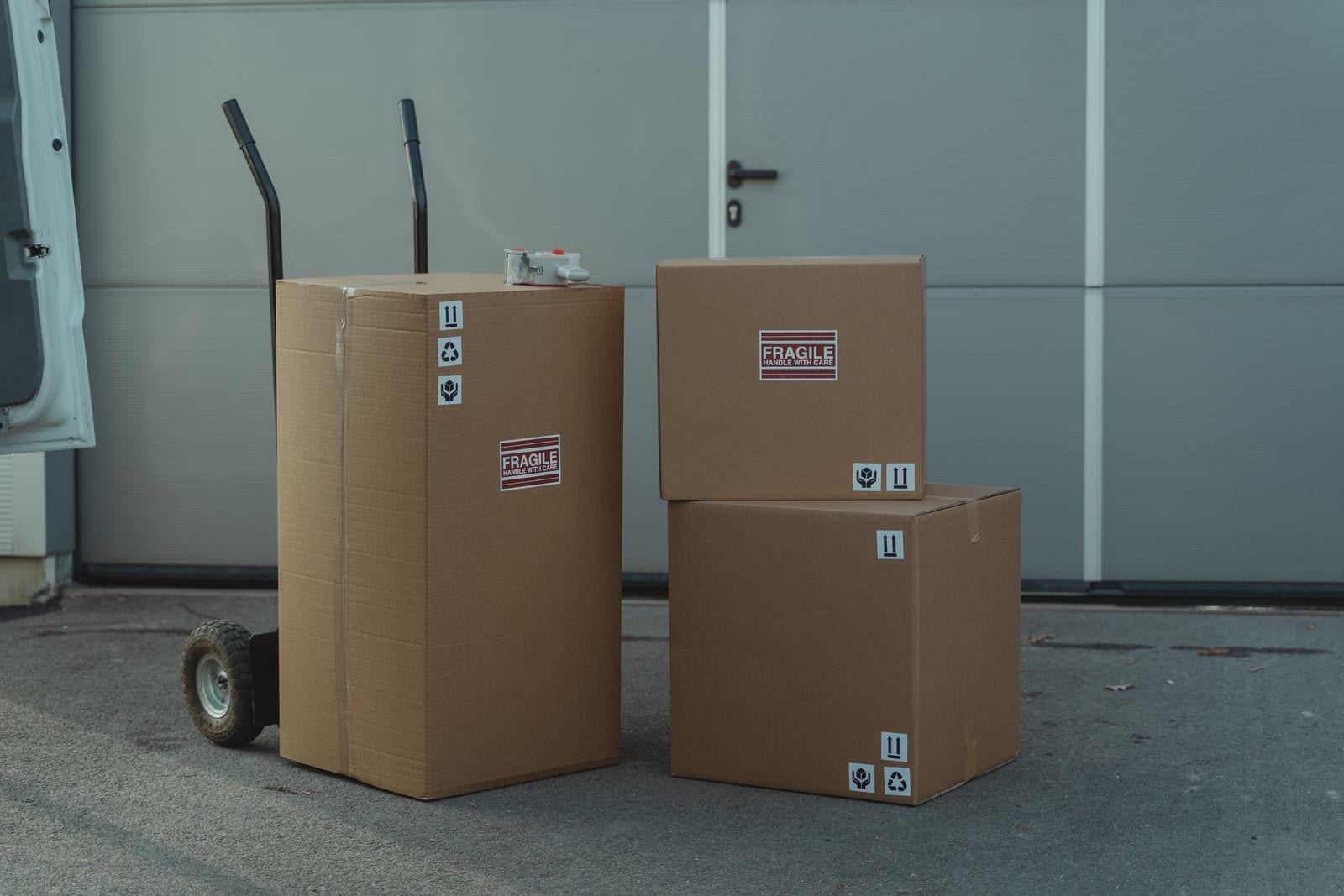
Reusable shipping bag: 80 per cent were returned in a Belgian pilot scheme
Fost Plus, the organisation responsible for the collection and recycling of household packaging in Belgium, announced the results of the EVERPAX pilot on 2 November. From February to August 2026, eight partners tested a reusable returnable delivery bag: the system worked in practice, but is not yet cost-effective.
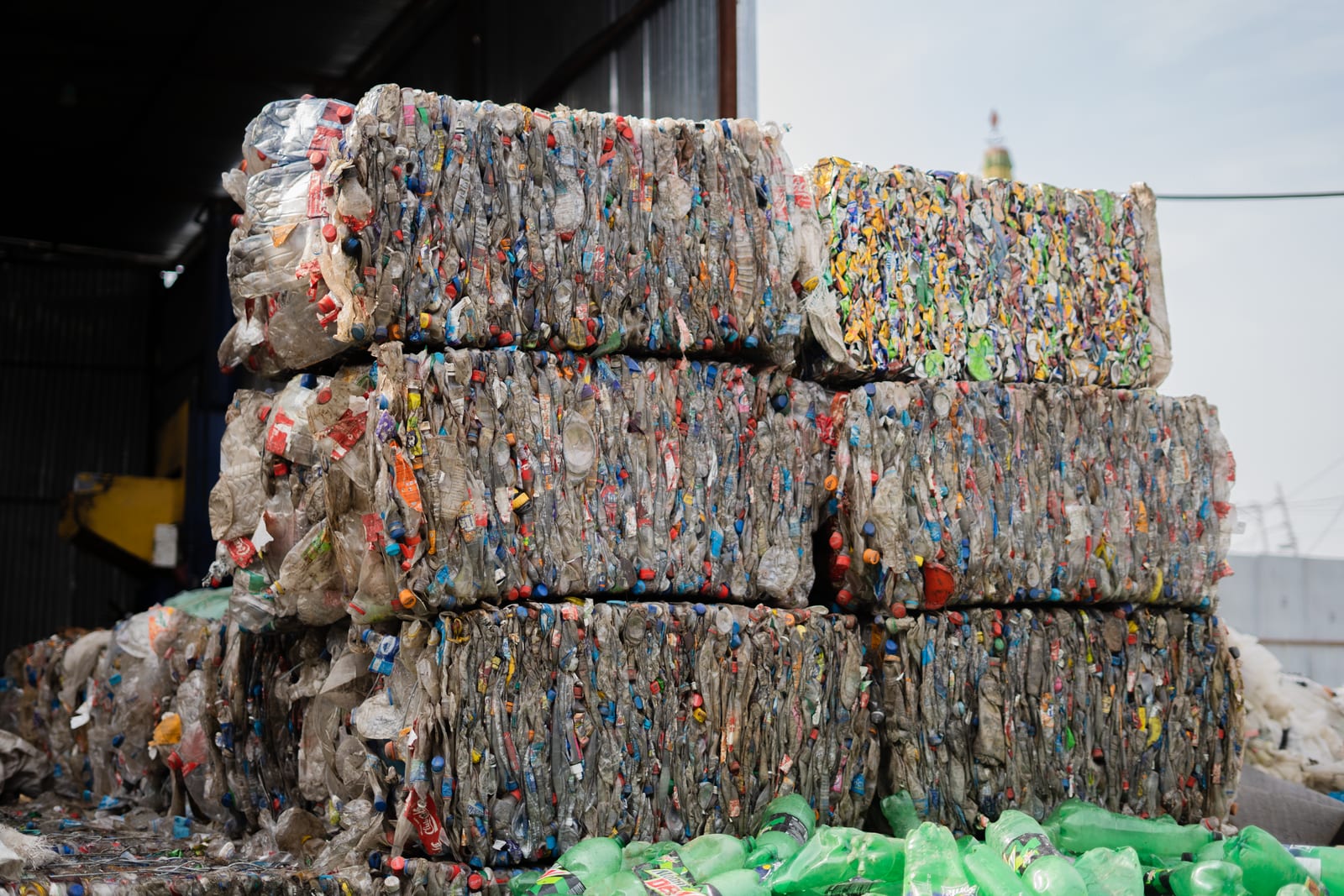
Belgium ranks second in the EU for the recycling of plastic packaging
Fost Plus, the Belgian organisation responsible for the recycling of household packaging, reported on 27 October that, according to Eurostat, Belgium recycled 58.2 per cent of its plastic packaging waste in 2024. This figure also includes packaging from businesses. It therefore says more about Belgium as a whole than about how well households sort their waste.