
Solutions
Solutions from our suppliers
232 project(s)
Full-service Supply Chain Management
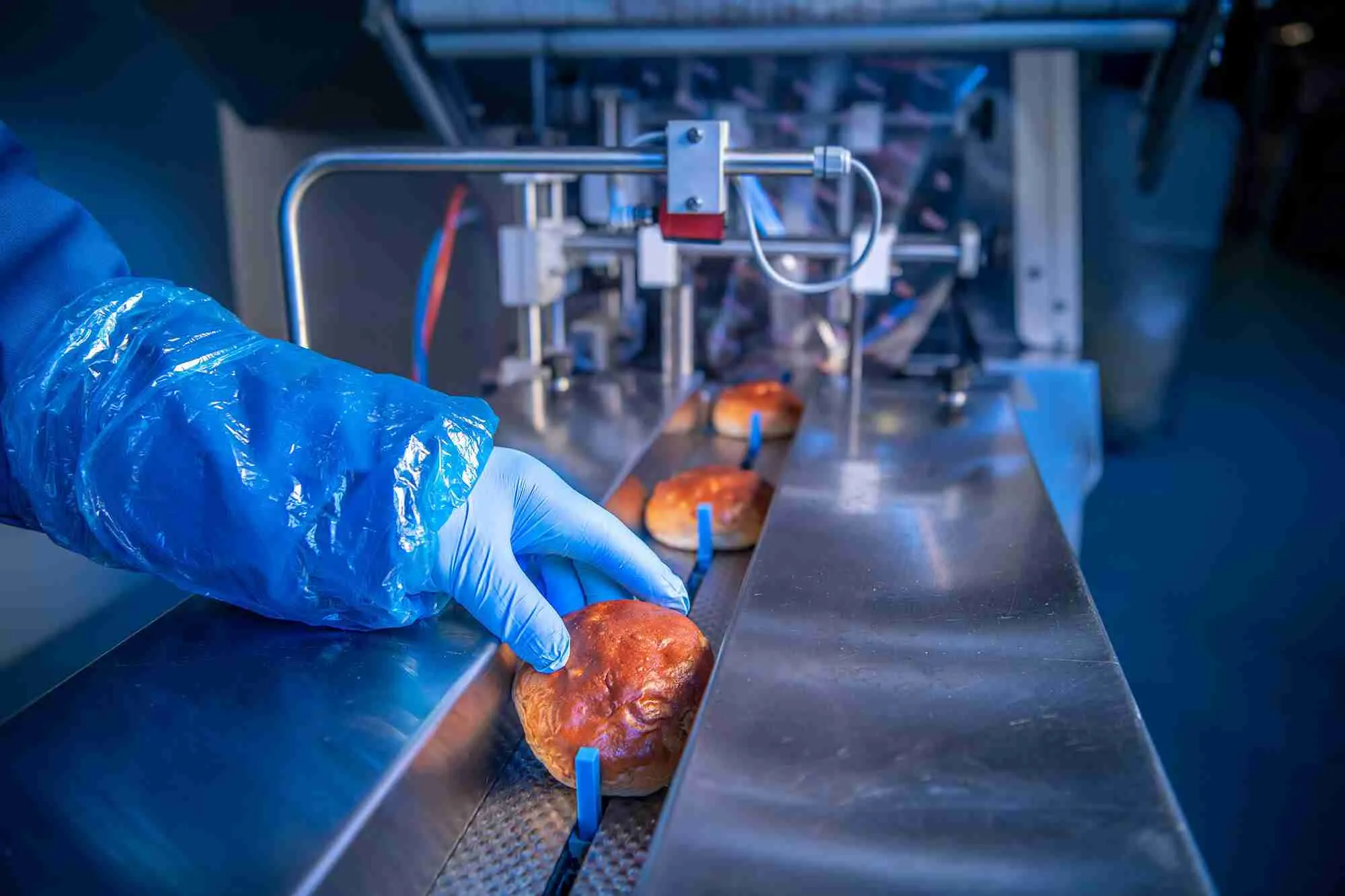
Froster acts as your strategic partner and logistical extension. We manage the entire flow of your frozen products, allowing you to focus entirely on sales and marketing. Synergy with PolarPack: Froster’s unique advantage is its direct integration with PolarPack. Your products are packed, stored and distributed all under one roof. This saves time, reduces transport movements and cuts costs. Data-driven: Thanks to our many years of expertise and advanced systems, we optimise your stock levels and reduce your time-to-market. Personal contact: Despite our scale (30,000 pallet spaces), we remain a family-run business with short lines of communication and a dedicated contact person for your back office.
By: Froster · Waalwijk
Distribution and Transport
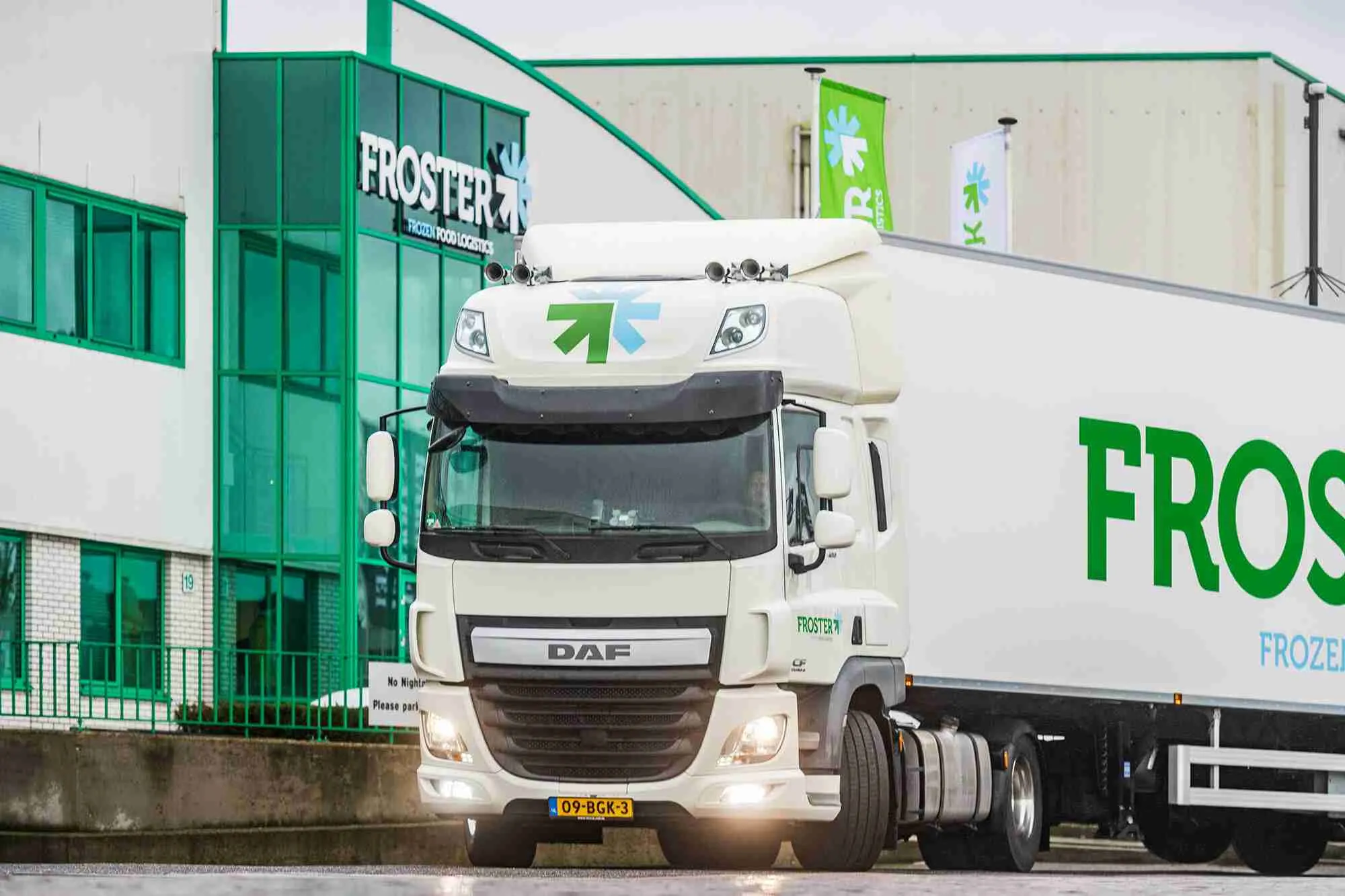
At Froster, logistics is more than just transport; it is a promise. With our own modern fleet of vehicles, we handle the detailed distribution of frozen products throughout the Benelux. Any volume: We deliver from 20 boxes to 20 pallets, directly to retailers, wholesalers and the out-of-home market. Reliability: Our drivers are specialists in the cold chain. Thanks to fixed routes and tight scheduling, we guarantee the delivery reliability that is essential for your customer relations. Track & Trace: Full visibility of your consignments, from departure from Waalwijk to the signature on delivery.
By: Froster · Waalwijk
Climate-Controlled Storage and Stock Management
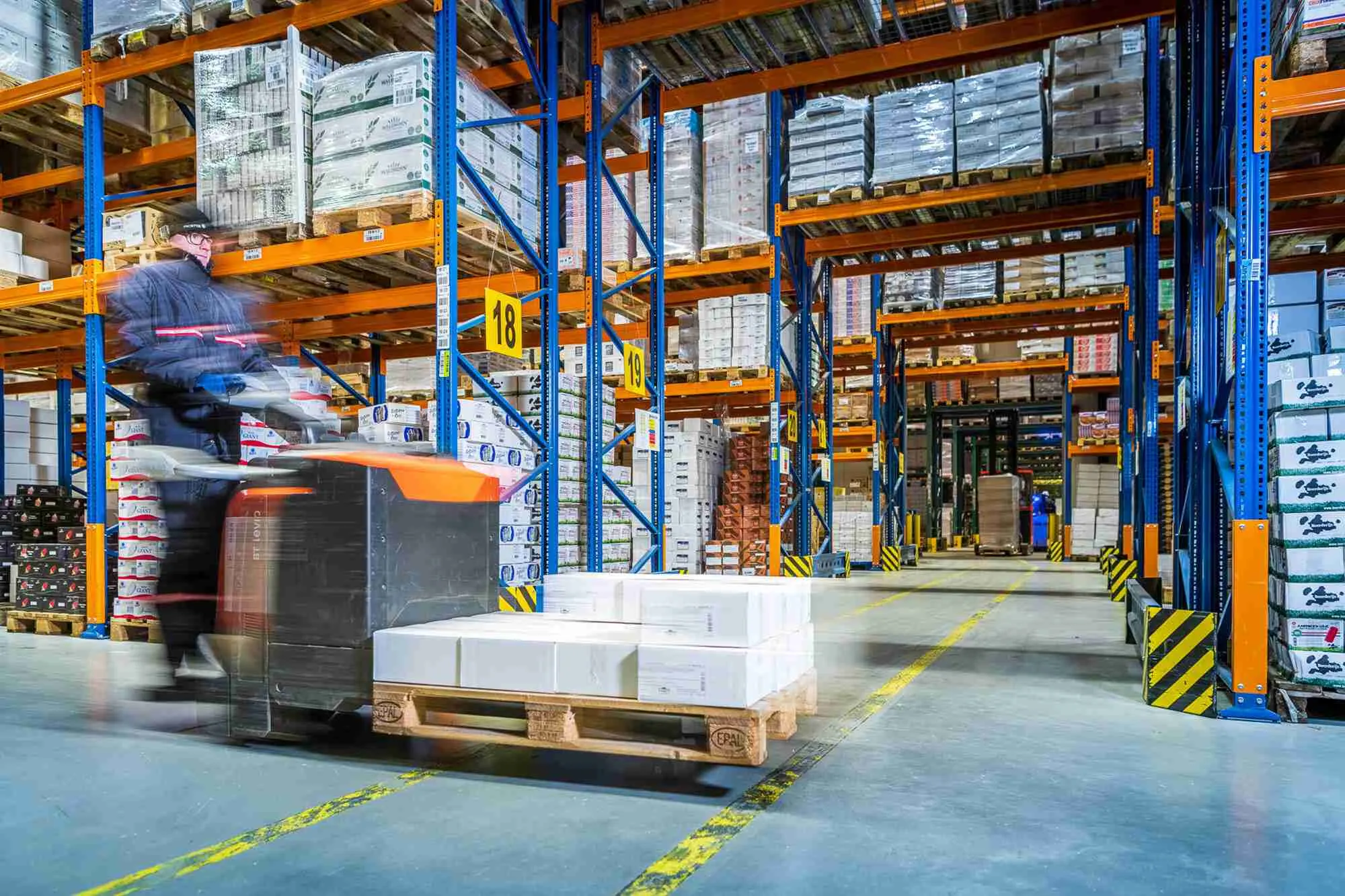
With a capacity of 30,000 pallet spaces in our modern, BRC-certified cold store in Waalwijk, we offer secure and strictly controlled storage for all your frozen goods. Our cold store is optimally equipped for both bulk storage and detailed order picking at box level. What makes Froster unique is the extensive digitalisation of the supply chain: Advanced EDI links: Thanks to seamless system links (Electronic Data Interchange), you have 24/7 real-time insight into your current stock levels and order status. Full back-office support: We not only take care of the physical storage for you, but also act as your logistics back office. This covers everything from goods receipt and stock management to the administrative processing of orders. Closed-loop supply chain: From our strategic hub in Waalwijk, we use our own fleet to manage the finely meshed distribution network throughout the Benelux, guaranteeing temperature control from the cold store to the final destination. Flexible scalability: Whether you are an innovative start-up or an established retailer, our processes are designed to grow alongside your volume and specific customer requirements. By combining storage, technology and transport, we minimise the number of links in your supply chain, leading to greater efficiency and lower operational costs.
By: Froster · Waalwijk
 Custom-built machines
Machine overhaul, modernisation & optimisation
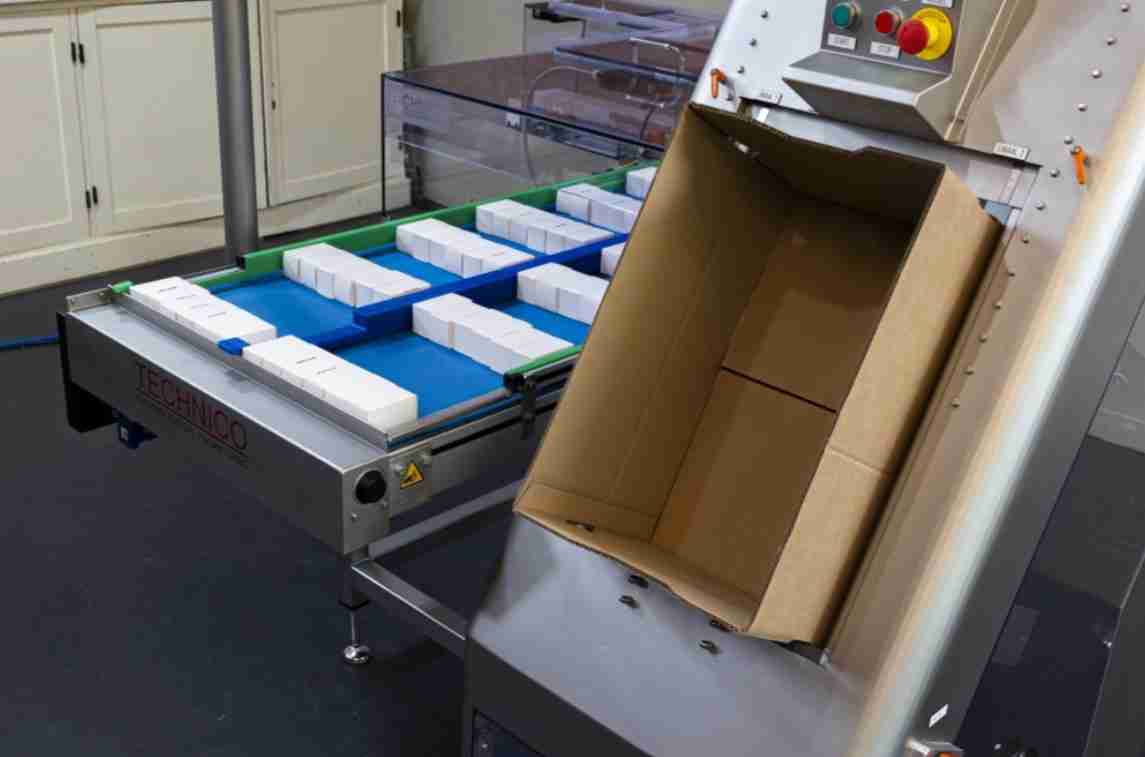
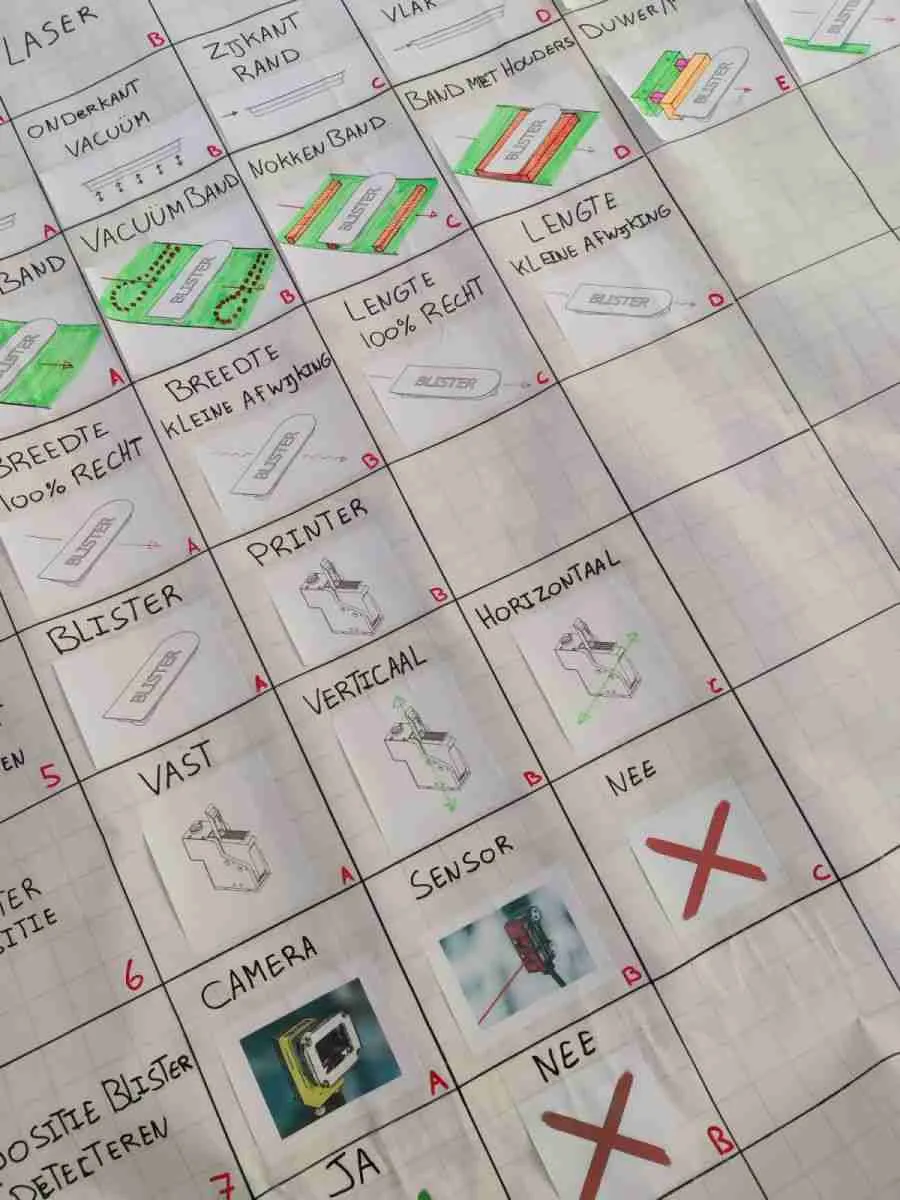
Technico Pharmaceutical Engineering carries out refurbishment, modernisation and optimisation projects for existing machinery and production lines within the pharmaceutical and medical industries. This service is aimed at extending the service life of equipment and improving performance, reliability and compliance. During overhaul, modernisation or optimisation, mechanical, electrical and control components are assessed and, where necessary, replaced or upgraded. In addition, functionalities can be adapted or expanded to better meet current production requirements, legislation and regulations, or amended product specifications. Work can range from replacing obsolete parts to completely redesigning sub-processes within a machine. The work is carried out with due regard for GMP requirements and with minimal impact on production planning. From analysis and engineering through to implementation, testing and recommissioning, Technico Pharma delivers bespoke overhaul and modernisation solutions that contribute to continuity, efficiency and future-proof production processes.
By: Technico Pharmaceutical Engineering · Genderen
 Custom-built machines
Engineering & Design
Technico Pharmaceutical Engineering supports clients with engineering and design projects for machinery and systems, specialising in the pharmaceutical and medical industries. We translate process requirements and product specifications into technically sound and feasible solutions. Our engineering and design activities cover the entire process: from concept development and layout studies to mechanical and electrical design and software preparation. In doing so, we take into account GMP requirements, existing line configurations and specific production environments. The design always forms a solid foundation for a reliable and efficient machine or production line. Engineering & design can be utilised as part of a complete machine project, but also as a standalone service, for example in the case of expansions, optimisations or integration issues. Through our close collaboration with the client, we ensure solutions that are technically sound and practically applicable. From initial concept through to handover to production, TechnicoPharma delivers engineering & design solutions that contribute to process reliability, flexibility and future-proof systems.
By: Technico Pharmaceutical Engineering · Genderen
 Labelling systems
Applying and checking labels
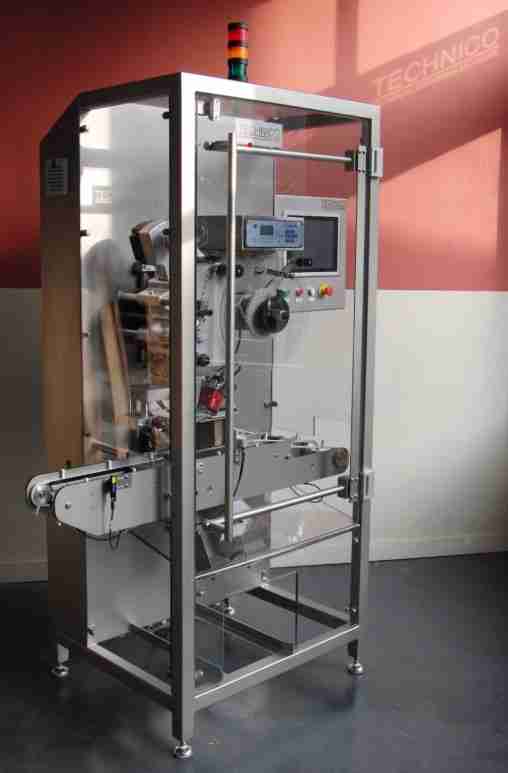
Technico Pharmaceutical Engineering develops and manufactures bespoke ‘Label Apply and Check units’ for the precise application and inspection of labels on, amongst other things, blister packs within the pharmaceutical and medical industries. This solution is designed for applications where correct labelling and verification are essential for compliance and product safety. These systems can apply all kinds of labels, including bollinos and heat-sensitive labels, to single or double blisters. After application, a camera system checks whether the correct label is present and correctly positioned. Approved blister packs are automatically fed to the next machine in the line. Blisters with an incorrect or missing label are ejected via an integrated reject station. A fail-safe counter check confirms that each rejection has actually taken place. The unit is suitable for speeds of up to 240 blister packs per minute and utilises servo drives linked to an encoder on the blister machine. Thanks to its compact design, the machine has a small footprint and can be easily integrated into existing or new production lines. The solution is suitable for blisters, cartons and bundles and can be configured with or without a reject station. The product flow can be set up to run either from left to right or from right to left. The Label Apply and Check unit is GMP-compliant, ergonomically designed in a balcony configuration and easy to clean. All adjustable components are fitted with digital counters for accurate and reproducible adjustments. The machine can be fitted with vision systems from various manufacturers and is compatible with labellers from, amongst others, Multivac, De Koningh (ALtech), Domino and other common systems. Various label types are possible, including heat-sensitive labels, bollinos, serialisation labels, tamper-evident labels and pharma codes. The solution can be fully customised to specific customer requirements, such as non-standard blister dimensions, label position, safety configurations and choice of components. TechnicoPharma can supply full documentation with the machine on request. From engineering and construction to testing and commissioning, TechnicoPharma delivers bespoke Label Apply and Check solutions that contribute to reliable labelling, process reliability and compliance with laws and regulations.
By: Technico Pharmaceutical Engineering · Genderen
 Labelling systems
Tamper-evident labelling system
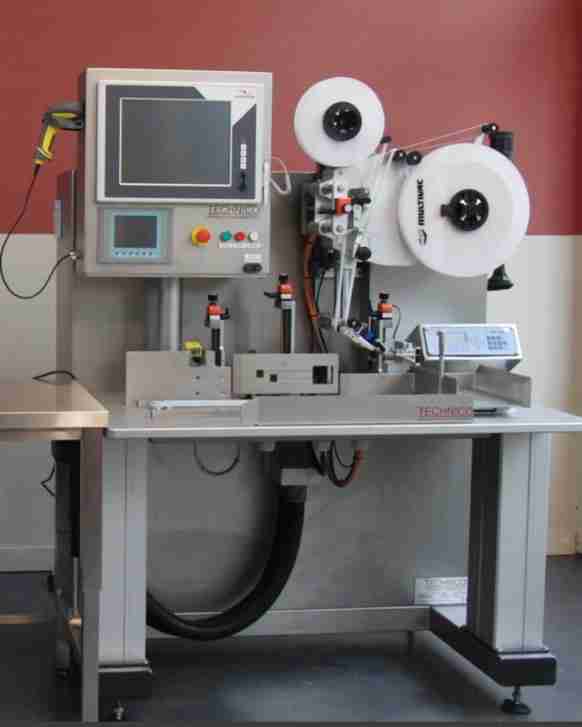
Technico Pharmaceutical Engineering develops and supplies bespoke manual and semi-automatic serialisation solutions with an integrated tamper-evident (TE) labeller for applications within the pharmaceutical and medical industries. This solution is suitable for situations where serialisation is required, but full automation is neither necessary nor desirable. The solution shown here enables packaging to be labelled in a controlled manner with unique labels bearing serial numbers. The TE labeller applies the labels with precision, after which the codes can be verified as part of the track & trace process. The solution is suitable for a wide range of packaging formats and can be flexibly deployed within existing production or packaging environments. Thanks to its compact design and simple operation, the manual serialisation solution is well suited to smaller batches, pilot productions or as a supplementary solution within an existing production line. The system is designed for use in GMP environments and is ergonomically designed to enable operators to work safely and efficiently.
By: Technico Pharmaceutical Engineering · Genderen
 Supply & delivery systems
Needle feeder
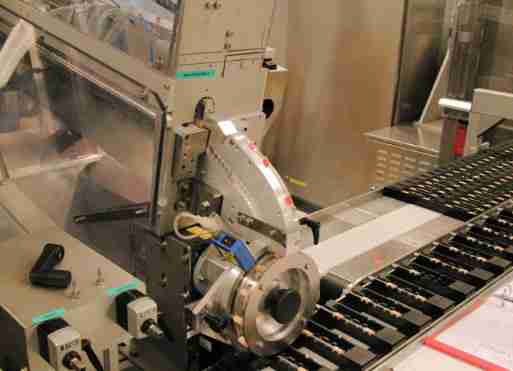
Technico Pharmaceutical Engineering develops and manufactures bespoke needle-feeding systems for the precise and reliable feeding and placement of needles within pharmaceutical and medical production and assembly lines. This solution is designed for applications where precision, continuity and process reliability are essential. The needle feeding system accurately places needles into a holder, pocket or blister pack and can be operated both continuously and intermittently. Depending on the application, up to 200 needles per minute can be processed. Placement is servo-controlled, ensuring high accuracy and reproducibility. The position of the needle within the pocket is adjustable laterally, and all adjustments are equipped with digital counters. Needles are emptied from a shipping container into a needle hopper, which can easily hold an entire shipper’s load. A Jacobs ladder transports the needles to rotating shafts, where they are aligned and fed to the needle wheels. These needle wheels are fitted with servo motors that position the needles at the correct moment, synchronised via an encoder coupling with the conveyor belt, blister machine or other equipment. The needle feeding system can be integrated into production lines with both left- and right-hand product flow and is suitable for various types and brands of needles. The complete unit can be mounted on a precision slide for exact lateral positioning. The system is GMP-compliant, ergonomically designed and easy to clean. From engineering and construction to testing and commissioning, TechnicoPharma supplies bespoke needle feeding systems that contribute to a stable, efficient and reliable production process.
By: Technico Pharmaceutical Engineering · Genderen
 Robots
Robotics
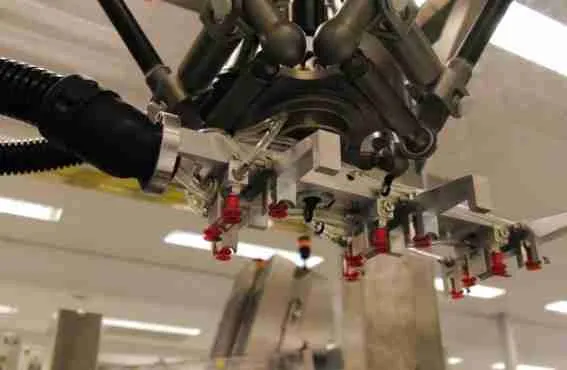
Technico Pharmaceutical Engineering develops and integrates bespoke robotics solutions for the automated handling, positioning and transfer of products within pharmaceutical and medical production and packaging lines. These solutions are designed for applications where flexibility, accuracy and speed are essential. Suitable for all kinds of small products, such as syringes, needles, vials, devices, tubes, injectors, blister packs and medicine dispensers. The robotics solutions are used for tasks such as product feeding, pick-and-place, buffering and transfer between process steps. Thanks to precise servo control, products can be handled reliably and reproducibly, even at high line speeds. The solutions are suitable for various product shapes and sizes and can be tailored to specific line configurations. The systems are compact in design and engineered for integration into existing or new production lines. They meet the requirements for use in GMP environments and are designed with user-friendliness in mind, with a focus on accessibility and maintenance. From engineering and integration to testing and commissioning, TechnicoPharma delivers bespoke robotics solutions that contribute to process reliability, flexibility and efficient handling within complex production and packaging processes.
By: Technico Pharmaceutical Engineering · Genderen
 Pick and place
Pick-and-place systems
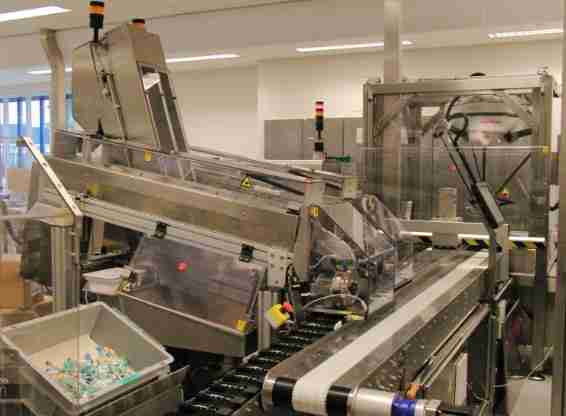
Technico Pharmaceutical Engineering develops and integrates bespoke flexpickers and pick-and-place systems for the automated handling, positioning and transfer of products within pharmaceutical and medical production and packaging lines. These solutions are designed for applications where flexibility, accuracy and speed are essential. Suitable for all kinds of small products, such as syringes, needles, vials, devices, tubes, injectors, blister packs and medicine dispensers. The FlexPicker solutions are used for tasks such as product feeding, pick-and-place, buffering and transfer between process steps. Thanks to precise servo control, products can be handled reliably and reproducibly, even at high line speeds. The solutions are suitable for various product shapes and sizes and can be tailored to specific line configurations. The systems are compact in design and engineered for integration into existing or new production lines. They meet the requirements for use in GMP environments and are designed with user-friendliness in mind, with a focus on accessibility and maintenance. From engineering and integration to testing and commissioning, TechnicoPharma delivers bespoke solutions that contribute to process reliability, flexibility and efficient handling within complex production and packaging processes.
By: Technico Pharmaceutical Engineering · Genderen
 Custom-built machines
Syringe assembly line
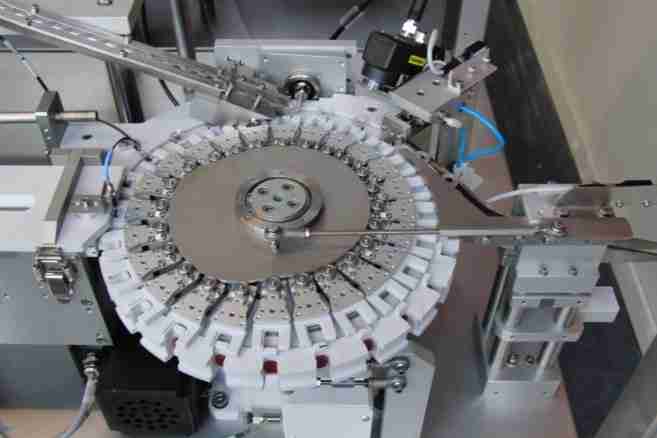
Technico Pharmaceutical Engineering develops and builds bespoke assembly lines for, amongst other things, syringes for the pharmaceutical and medical industries. Automated solutions designed for the precise and reproducible assembly of syringes, with a focus on product quality, process reliability and hygiene. The assembly line can be tailored to different syringe types and production requirements and supports a controlled assembly process. Depending on the application, multiple process steps can be integrated, such as component feeding positioning assembly inspection other requirements The line is suitable for integration into existing production environments or as a stand-alone solution. The assembly line is designed for use in regulated environments and complies with GMP requirements. Thanks to its ergonomic design and automated operation, operator workload is minimised and consistent product quality is ensured.
By: Technico Pharmaceutical Engineering · Genderen
 Custom-built machines
Tray Unloader
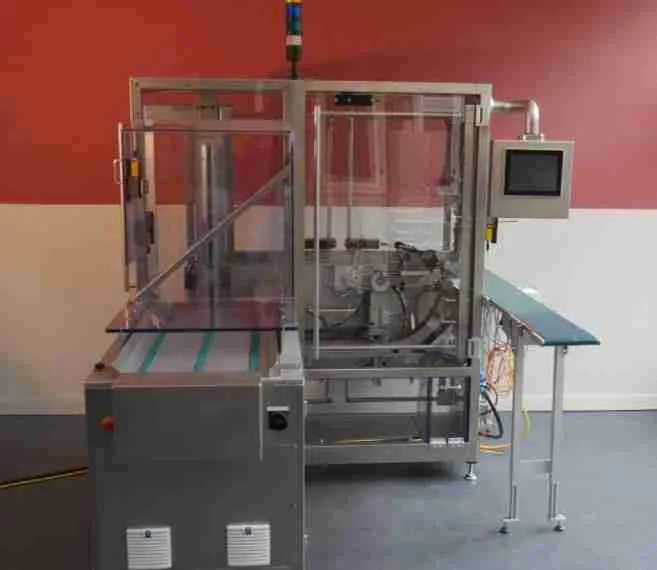
Technico Pharmaceutical Engineering develops and manufactures bespoke tray unloaders for the automated feeding, removal and discharge of trays within pharmaceutical and medical production and packaging lines. This solution helps to ensure a controlled product flow and reduces the need for manual handling in the process. The tray unloader, also known as the component dispenser, is designed to unload trays containing, amongst other things, tagserts, package leaflets, booklets and blister packs. The (pharma) code on both sides of the product is checked. An operator manually places full trays onto the feed conveyor. The machine processes the trays and presents the products, whilst the code is verified on both the top and bottom. Products without a code or with an incorrect code are rejected. The machine then places the products onto a conveyor belt or directly into a carton, linked to the stacker for perfect synchronisation. Empty trays are automatically deposited into a reject bin. This GMP-compliant machine features an ergonomic design, is easy to clean and can be operated by a single operator.
By: Technico Pharmaceutical Engineering · Genderen